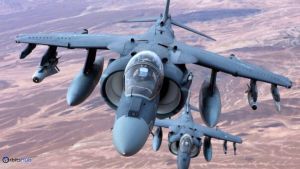
The Indian Air Force (IAF) is on the cusp of wielding a new technological marvel – the HAL Tejas MK2. This next-generation, multi-role combat aircraft, conceived and developed in India, represents a quantum leap in the nation’s aerospace capabilities. The Tejas MK2 isn’t just a powerful flying machine; it’s a symbol of India’s growing self-reliance in the strategic defence sector. This closely examines the Tejas MK2, delving into its state-of-the-art characteristics, its development to the deployment process, and how it could affect India’s defence strategy and the international arms market.
A Legacy of Innovation: The Tejas Lineage
The Tejas MK2 is the successor to the highly successful HAL Tejas, a single-engine fighter jet that has been in service with the IAF since 2016. The Tejas culminated decades of research and development by the Aeronautical Development Agency (ADA) and Hindustan Aeronautics Limited (HAL). It marked a significant milestone in India’s quest for self-reliance in the defence sector.
Power, Precision, Performance: Unveiling the Tejas MK2

The Tejas MK2 takes everything that made the Tejas a formidable force and pushes it even further. Here are some key features that set this aircraft apart:
- Enhanced Engine Power: The Tejas MK2 boasts a more powerful General Electric F414 engine, which increases thrust and improves manoeuvrability. This allows for faster climbs, higher operational ceilings, and a greater combat radius.
- Canard Configuration: The addition of canards and small airfoils positioned in front of the main wing enhances the aircraft’s agility and controllability at high angles of attack. This translates to superior dogfighting capabilities and tighter turns during aerial combat.
- Increased Payload Capacity: The HAL Tejas MK2 significantly increases payload capacity compared to its predecessor. This allows it to carry a broader range of weapons and equipment, making it adaptable to various mission profiles, from air-to-air combat to air-to-ground strikes.
- Advanced Avionics and Sensors: The Tejas MK2 has a state-of-the-art Active Electronically Scanned Array (AESA) radar that provides superior situational awareness and long-range target detection. Additionally, an integrated Infrared Search and Track (IRST) system allows passive target acquisition even in low-light conditions.
- Improved Pilot Interface: The Tejas MK2 features a completely redesigned cockpit, incorporating advanced displays and controls. This user-friendly interface allows pilots to access critical information and control the aircraft more quickly and efficiently.
The Tejas MK2 is a potent combination of power, precision, and performance. It represents a significant leap forward in Indian aviation technology and is poised to play a vital role in safeguarding India’s airspace.
The Road Ahead: From Development to Deployment
While the Tejas MK2’s first flight is expected in 2025, the development process, including prototype testing and flight trials, will be completed by 2027. Serial production is anticipated to begin by 2030, with the aircraft fully operational with the IAF by 2028.
This timeline signifies India’s commitment to indigenous defence development. The Tejas MK2 program strengthens the nation’s aerial defence capabilities and fosters the growth of a robust domestic aerospace industry.
The Tejas MK2: A Boon for the Indian Economy

This section can delve into the positive economic impact of the HAL Tejas MK2 program. You can discuss:
- Job Creation: Highlight how the development and production of the Tejas MK2 will generate a significant number of jobs across various sectors, such as engineering, manufacturing, and aerospace.
- Boost to Domestic Industry: Explain how the project promotes the growth of the domestic aerospace industry by fostering partnerships with private Indian companies and encouraging technology transfer.
- Reduced Reliance on Imports: Emphasize how the successful development of the Tejas MK2 reduces India’s dependence on foreign fighter jets, saving valuable foreign exchange and promoting self-reliance in defence procurement.
The Tejas MK2 in the Global Arms Market
This section explores the potential of the HAL Tejas MK2 as an export product. You can discuss:
- Export Potential: Analyze the Tejas MK2’s capabilities and compare them to similar fighter jets other countries offer. Explore potential export markets for the aircraft based on its features and competitive pricing.
- Strategic Partnerships: Discuss how collaborations with foreign companies for technology exchange or joint production ventures can enhance Tejas MK2’s global appeal.
- India’s Growing Defense Exports: Briefly mention how the successful export of the Tejas MK2 can position India as a credible exporter of advanced military equipment.
The HAL Tejas MK2 isn’t just an aircraft; it’s a testament to India’s growing technological prowess and a cornerstone of a robust domestic defence ecosystem. Its deployment will significantly bolster the IAF’s capabilities, ensuring unwavering vigilance over Indian airspace. Beyond its immediate military role, the Tejas MK2 program is a beacon of self-reliance, inspiring future engineers and scientists. As India soars towards becoming a leading defence manufacturer, the Tejas MK2 paves the way for a more secure future.
OrbitsHub, a leading consultancy firm in the maritime and aviation sectors, can help you navigate the complexities of these ever-evolving industries. Visit Orbitshub to learn more about how OrbitsHub’s expertise can propel your business forward.