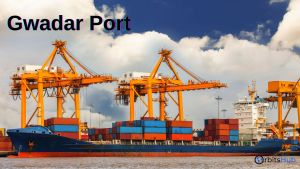
The sun rises over the Hooghly River, casting a golden glow on the bustling docks of Haldia Sea Port. Cranes swing into action, lifting containers from massive ships. Trucks rumble along the quayside, ready to transport goods across Eastern India. This is no ordinary morning—it’s the daily rhythm of one of India’s most vital maritime gateways.
A port is born.
Our story begins in the 1960s. The century-old Port of Kolkata struggled with silting and shallow waters. As the number of ships increased, the old port became increasingly vulnerable. India needed a solution and fast.
Enter Haldia. Located 124 kilometers downstream from Kolkata, this sleepy town held promise. Deeper waters and proximity to the Bay of Bengal made it ideal. In 1968, an oil jetty came to life here. But the fundamental transformation was yet to come.
Rising from the River
Haldia Dock Complex Highlights
Established: On February 1, 1977, Haldia Dock Complex officially opened its gates.
First Year: The port’s first year saw a modest 3.5 million tons of cargo.
Today: Haldia now handles over 40 million metric tons of cargo annually, transforming into a thriving industrial hub.
Global Reach: Ships from across the globe dock here, transporting everything from crude oil to containers.
A Day in the Life
Let’s step into the shoes of Ravi, a dock worker at Haldia. His day starts before dawn as he joins thousands of others streaming into the port complex. Today a massive container ship from Singapore is due to arrive.
As the ship approaches, tugboats guide it skillfully into the dock. Ravi and his team spring into action. Giant cranes lower onto the deck, plucking containers with precision. It’s a carefully choreographed dance of man and machine.
The docks bustle with activity by midday. Forklifts weave between stacks of containers, and tanker trucks line up to receive their liquid cargo. In the distance, a coal ship unloads its black treasure destined for power plants across Eastern India.
Powering the Economy
Haldia’s impact stretches far beyond its docks. The port has become the lifeblood of Eastern India’s economy. Let’s look at some numbers:
Haldia Port: Major Cargo Types (2023)
This chart shows the diverse range of cargo that flows through Haldia. Crude oil leads the way, feeding the region’s refineries. Coal powers homes and industries across Eastern India. Containers carry everything from electronics to textiles, connecting local businesses to global markets.
Challenges and triumphs
Haldi’s journey has been challenging. Nature poses constant challenges. The Hooghly’s shifting sands require continuous dredging to maintain navigable depths. During monsoons, powerful currents test pilots’ skills in guiding ships into port.

Yet Haldia has consistently risen to these challenges. 2008, the port faced a significant crisis when siltation threatened to choke its channels. Port authorities sprang into action, implementing an ambitious dredging program. Within months, Haldia was back in business, more vital than ever.
Innovation on the Waterfront
Today, Haldia is at the forefront of port technology. Automated container terminals have dramatically increased efficiency. GPS-guided vehicles move cargo with precision. A state-of-the-art traffic management system ensures smooth sailing for the hundreds of ships that visit each month.
But Haldia’s innovations go beyond just moving cargo. The port has embraced sustainability in a big way. Solar panels now dot warehouse roofs, generating clean energy. Electric vehicles are slowly replacing diesel trucks on the docks. Haldia is proving that economic growth and environmental responsibility can go hand in hand.
A Gateway to the Future
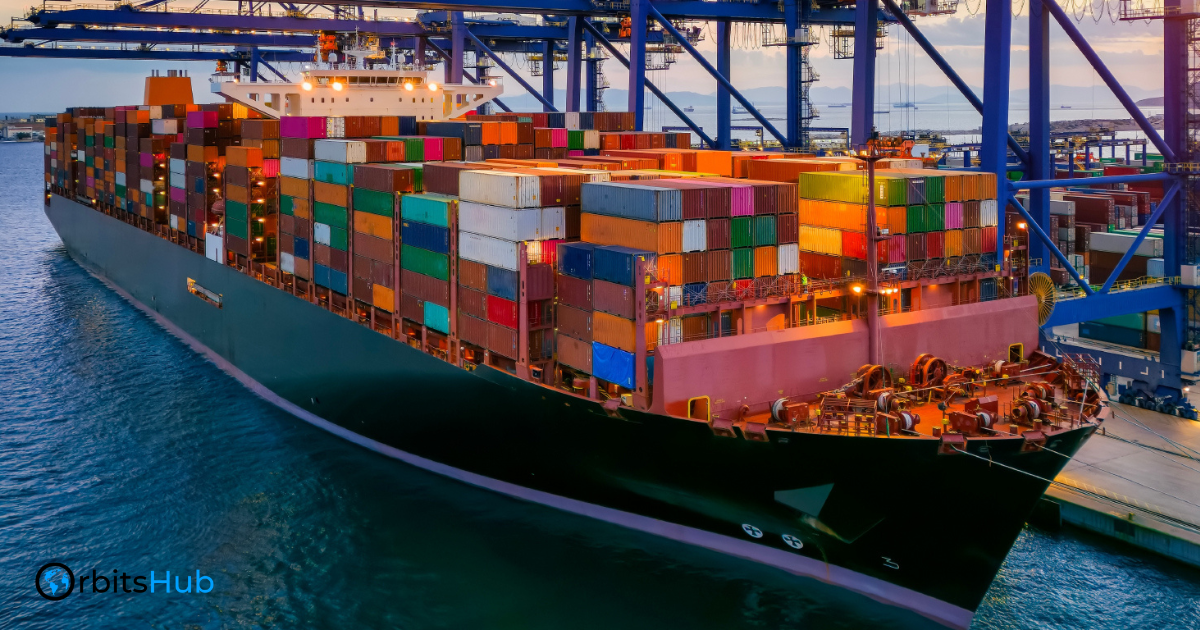
As we look to the horizon, Haldia’s future shines bright. Plans are underway to deepen the channel, allowing even larger ships to call. A new multi-purpose berth will soon increase capacity by millions of tons. The port is also eyeing increased connectivity with inland waterways, further extending its reach into the heart of India.
But Haldia’s impact goes beyond just numbers. For thousands of workers like Ravi, the port represents opportunity and a better life. It’s a vital link to the global economy for businesses across Eastern India. And for India, Haldia is a symbol of maritime prowess and economic potential.
As the sun descends over the Hooghly, creating elongated shadows on the docks, it becomes evident that Haldia Sea Port serves as more than just a destination for ships. Haldia Sea Port serves as a dynamic and dynamic growth engine, bridging India and the world with each passing ship.
Frequently Asked Questions
The main channel at Haldia Port has a depth of about 7.2 meters at low tide. However, ongoing dredging efforts aim to increase this to 8.5 meters in the near future, allowing larger vessels to access the port.
As of 2023, Haldia Port has an annual cargo handling capacity of approximately 50 million metric tons. This includes various types of cargo, such as crude oil, coal, containers, and bulk materials. The port authorities have plans to increase this capacity to 65 million metric tons by 2025 through infrastructure upgrades and expansion projects.