Viking ships are iconic symbols of the Norse seafaring warriors who dominated the seas from the late 8th to early 11th centuries. These remarkable vessels were critical to the Vikings’ success in trade, exploration, and warfare and served as a testament to their advanced shipbuilding skills and adventurous spirit.
The Evolution of Viking Ships
Early Developments in Norse Shipbuilding
The roots of Viking shipbuilding can be trace back to the early Scandinavian cultures. The evolution of these ships began with simple, small boats used for coastal fishing and transportation. The earliest forms were dugout canoes carve from single tree trunks, which were practical for navigating Scandinavia’s fjords and inland waterways.
However, as the need for more substantial and versatile vessels grew, so did the complexity of shipbuilding. By the 4th century, shipbuilders began constructing clinker-built boats. This technique involved overlapping wooden planks, which provided greater strength and flexibility. These early clinker-built boats laid the foundation for the development of the iconic Viking ships.
The Emergence of the Longship
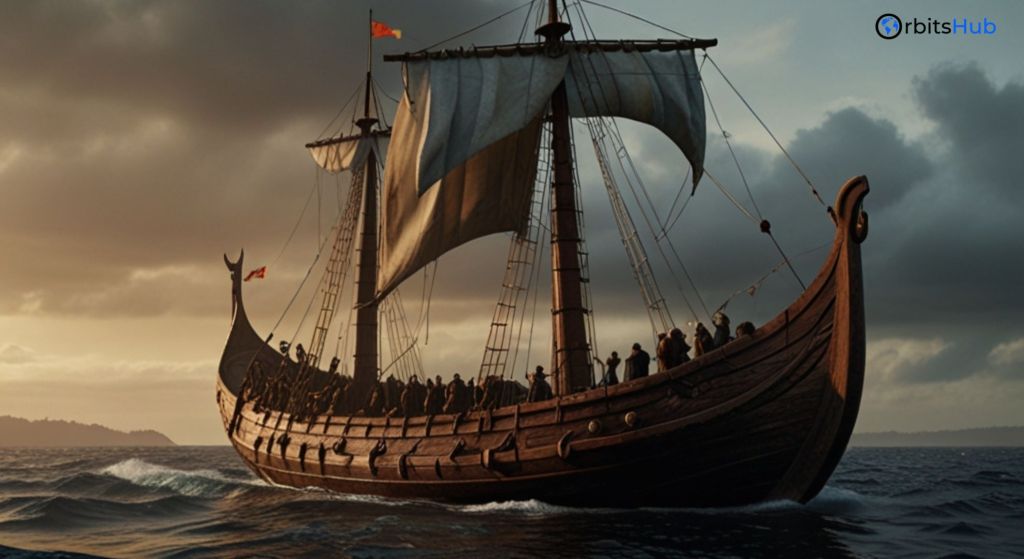
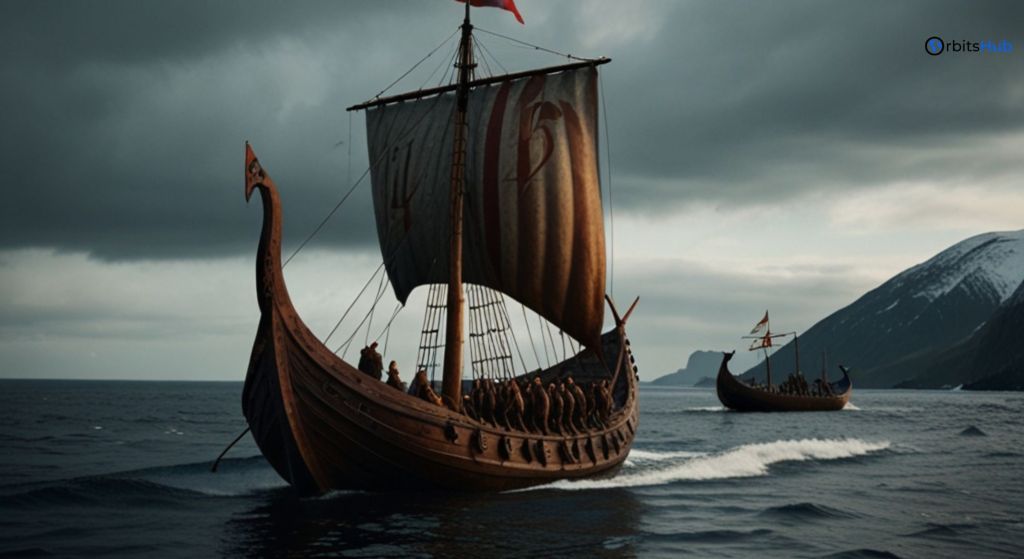
The most famous type of Viking ship is the longship, renowned for its speed, agility, and seaworthiness. Longships were develop to meet the Vikings’ needs for raiding and exploring distant shores. These vessels featured a symmetrical design with a shallow draft, allowing them to navigate open seas and shallow rivers.
The construction of a longship was a meticulous process, often taking months to complete. Skilled shipwrights would use carefully selected oak timber to craft the hull. The overlapping planks were fasten with iron rivets and sealed with tar to ensure watertightness. Longships were power by a combination of oars and a large rectangular sail, giving them the versatility to travel swiftly under various conditions.
Variations of Viking Ships
While the longship is the most celebrated Viking vessel, the Norse people built several other types of ships for different purposes:
The Knarr
The Knarr was a cargo ship design to transport goods over long distances. Unlike the sleek longship, it had a broader and deeper hull, providing ample cargo space. It was primarily use for trade and colonization, enabling the Vikings to establish trade routes across Europe and even reach North America.
The Karve
The karve was a smaller, more versatile vessel for coastal navigation and fishing. Its design was similar to the longship but with a more robust build to withstand rougher waters. Karves were essential for daily life in Viking communities, facilitating local trade and transportation.
The Snekkja
The Sneak was a type of longship design for speed and manoeuvrability. It was often use for raiding and warfare and could carry many warriors. The snekkja’s lightweight construction and shallow draft allowed it to navigate rivers and coastal waters easily.
Significance of Viking Ships in Viking Culture
Instrument of Exploration and Expansion
Viking ships were crucial in the Norse exploration of new territories. The Vikings’ seafaring capabilities allowed them to venture far beyond their Scandinavian homeland. They established settlements in places like Iceland, Greenland, and Vinland (modern-day Newfoundland) and even reached as far as the Mediterranean and the Middle East. This period of exploration and expansion was fuel by the versatility and reliability of their ships.
Tools of Trade and Wealth
The Vikings were not only raiders but also astute traders. Viking ships facilitated extensive trade networks that connected Scandinavia with Europe, Asia, and the British Isles. They traded goods such as furs, amber, and slaves for silver, spices, and other valuable commodities. The Knarr, in particular, played a pivotal role in these trading ventures, enabling the transportation of large quantities of goods across vast distances.
Vessels of War and Conquest
Viking ships were formidable tools of warfare. The longship’s design allowed for swift and surprise attacks on coastal settlements. The ability to navigate shallow waters meant Vikings could strike inland targets previously considered safe from seaborne attacks.
Symbols of Status and Prestige
Owning a ship was a mark of prestige and power in Viking society. Wealthy chieftains and kings would commission the construction of grand longships to demonstrate their status and command respect.
Technological Innovations in Viking Shipbuilding
Advanced Hull Design
One of the critical innovations in Viking shipbuilding was the advanced hull design. Ships built from clinker endured the severe conditions of the North Atlantic because of the material’s extraordinary strength and flexibility. The use of overlapping planks distributed the forces acting on the hull, making the vessel sturdy and resilient.
The Versatile Sail
The introduction of the sail was a significant technological leap for Viking ships. The large rectangular sail, made from wool or linen, allowed the Vikings to harness the power of the wind, reducing their reliance on rowing. This innovation extended their range and made long-distance voyages more feasible. The ability to switch between sail and oars gave Viking ships unmatched versatility in various wind conditions.
Steering Innovation
Viking ships were steered using a side-mounted rudder called the “starboard.” This rudder was position on the starboard side (the right-hand side when facing forward) and provide excellent control and manoeuvrability. The steer board’s placement also led to the modern nautical term “starboard.”
Lightweight and Portable
Despite their robust construction, Viking ships were relatively lightweight and portable. This feature was particularly advantageous during raids when the vessel must be haule overland between rivers or obstacles. The portability of Viking ships allowed the Norsemen to execute daring and unexpected attacks, further enhancing their reputation as formidable warriors.
The Legacy of Viking Ships
Archaeological Discoveries
The legacy of Viking ships lives on through archaeological discoveries. Several well-preserve ships have been unearthed in burial mounds, providing invaluable insights into Viking shipbuilding techniques and maritime culture. Notable discoveries include the Oseberg, Gokstad, and Tune ships, displayed in museums and continue to captivate scholars and the public alike.
Influence on Modern Shipbuilding
The innovative design and construction methods of Viking ships have influenced modern shipbuilding. The principles of clinker-built construction, advance hull design, and versatile sailing techniques can be seen in various contemporary vessels. The legacy of Viking ships endures in the principles and methods employed by modern naval architects and shipbuilders.
Cultural Impact
Viking ships have left an indelible mark on popular culture. Images of Viking ships have long been a source of fascination and inspiration in many forms of media, including books, movies, TV shows, and video games. These vessels symbolize adventure, exploration, and the indomitable spirit of the Vikings, resonating with audiences worldwide.
The history of Viking ships is a testament to the ingenuity, skill, and adventurous spirit of the Norse people. These remarkable vessels played a crucial role in shaping the Viking Age, enabling exploration, trade, and conquest on an unprecedented scale. Viking ships’ technological innovations and cultural significance have left a lasting legacy, influencing modern shipbuilding and captivating our imaginations.
By understanding the evolution and significance of Viking ships, we gain a deeper appreciation for the Vikings’ maritime prowess and cultural impact. These ships were not merely vessels of wood and sail; they were symbols of power, adventure, and the enduring legacy of the Norse seafarers.
Visit the OrbitsHub website to explore more fascinating maritime history and insights. Dive into a world of marine and aviation consultancy that continues to be inspire by the innovations and legacy of the past.