In today’s digital age, satellites are vital for communications, navigation, weather forecasting, and military operations. However, as reliance on space-based assets grows, so does a new threat: Anti-Satellite Weapons (ASATs). These weapons are designed to target and neutralize satellites, disrupting the systems that keep our world connected and secure. This blog explores the evolving role of ASATs, their impact on global security, and how they are reshaping modern defense.
What Are Anti-Satellite Weapons?
Anti-Satellite Weapons are specialized tools developed to disable or destroy satellites in orbit. Launched from Earth, space, or airborne platforms, they employ methods ranging from physical destruction, like kinetic impact, to subtler tactics such as cyber warfare or electronic jamming. ASATs are not just concepts—they have been tested and deployed by multiple nations. Their purpose is twofold: protecting national interests and creating deterrence by crippling an adversary’s space-based capabilities, which can disrupt both military and civilian operations.
The Evolution of ASAT Technologies
Early Developments and the Cold War Era
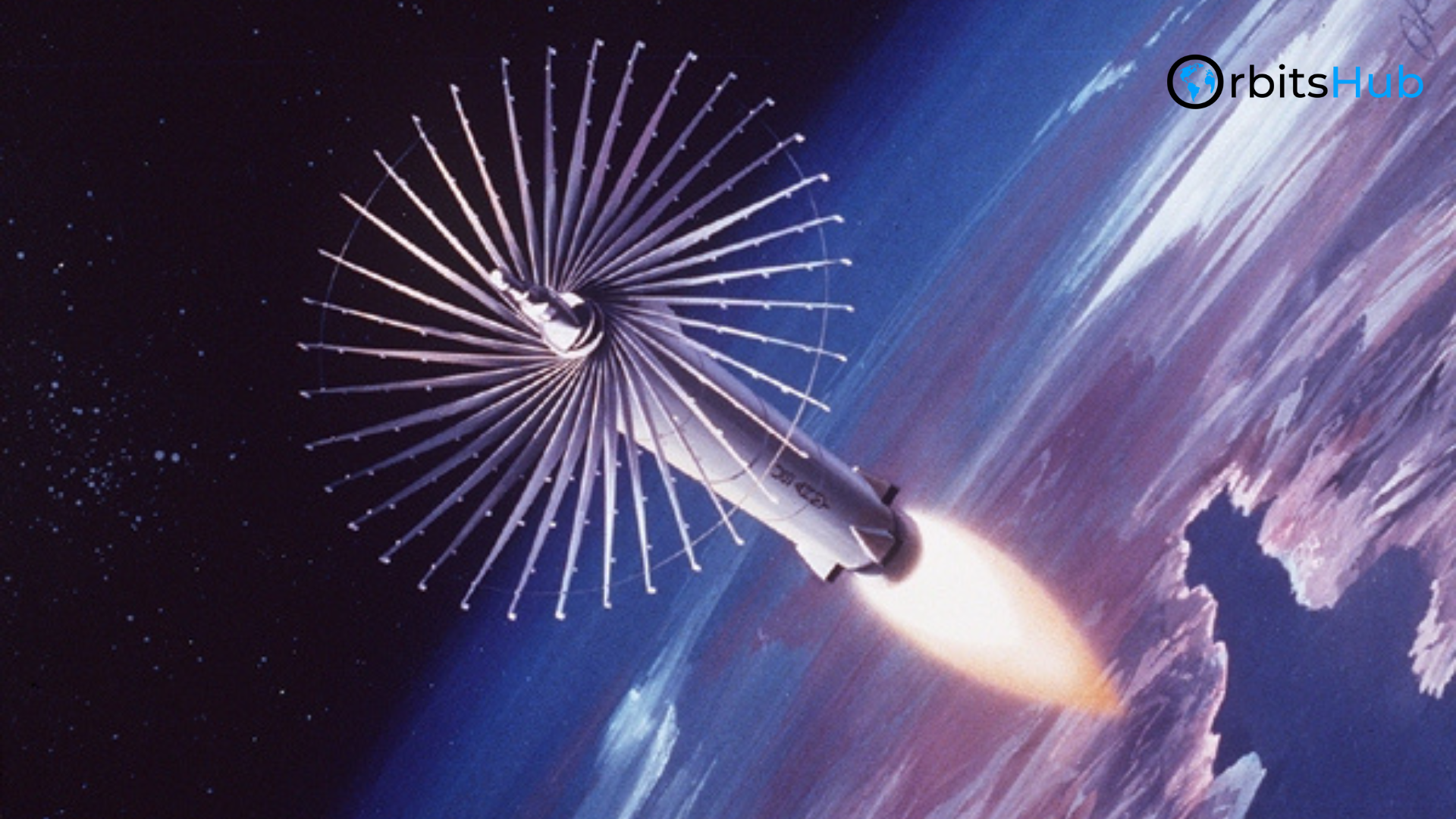
The idea of ASATs took shape during the Cold War, as the United States and the Soviet Union raced to dominate space. In the 1960s, both nations began experimenting with satellite-destroying technologies. A notable milestone came in 1985 when the U.S. successfully tested a missile that destroyed one of its own satellites. Meanwhile, the Soviet Union developed a co-orbital system designed to rendezvous with and disable enemy satellites. These early efforts underscored the growing strategic importance of space in military planning.
Modern ASAT Tests
In recent years, several countries have showcased advanced ASAT capabilities:
- China (2007): China destroyed one of its defunct weather satellites, creating thousands of pieces of debris that still threaten other orbiting assets.
- India (2019): India conducted its first successful ASAT test, targeting a satellite in low Earth orbit, marking its entry into an elite group of space powers.
- Russia (2021): Russia demonstrated its ASAT prowess by destroying an old satellite, generating debris that posed risks to space stations and other satellites.
These tests highlight both technological progress and the challenges posed by ASATs, particularly their environmental consequences.
The Strategic Impact of ASATs
Changing the Battlefield
ASATs have transformed military strategies by making space a critical theater of war. Satellites underpin intelligence, communication, and navigation systems. Disabling them can paralyze an opponent’s operations, giving the attacker a significant advantage. This shift elevates space from a support role to a primary battleground.
Deterrence and Escalation
The existence of ASATs serves as a deterrent, discouraging aggression from nations dependent on satellites. However, it also raises the stakes—destroying a satellite could be seen as an act of war, potentially sparking broader conflict. This delicate balance heightens global tensions.
Space Situational Awareness
To counter ASAT threats, nations are enhancing their ability to monitor space. Advanced systems now track debris, assess satellite health, and detect potential attacks. This vigilance is essential for protecting space assets and minimizing damage from ASAT use.
The Environmental Challenge
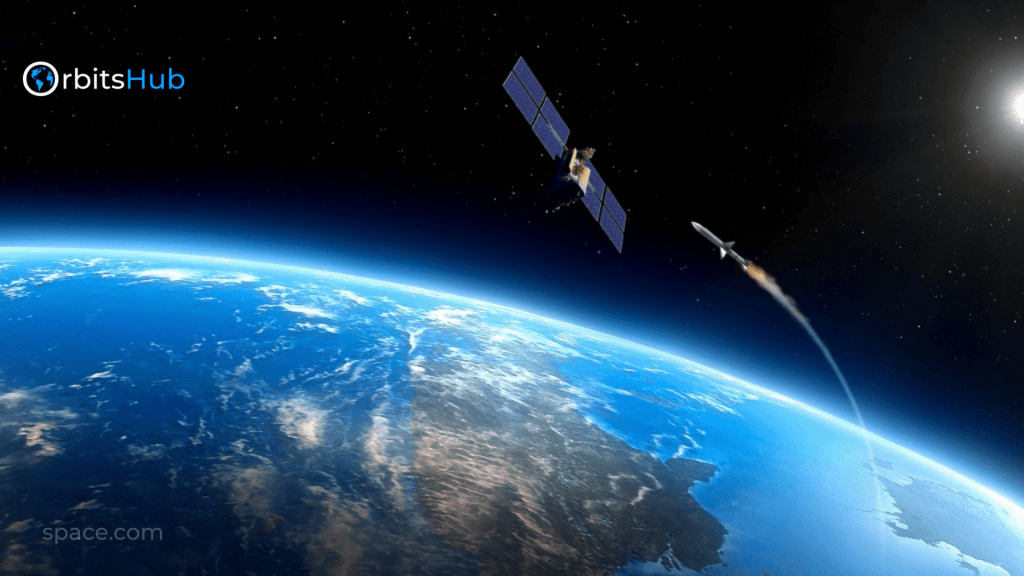
ASAT tests, especially those using kinetic methods, create significant environmental hazards. When a satellite is destroyed, it breaks into debris that can orbit for years at high speeds, endangering other satellites and space missions. The debris from China’s 2007 test, for example, remains a persistent threat, complicating the safety of space exploration and operations.
Global Security Concerns
A Space Arms Race
The spread of ASAT technology has sparked fears of an arms race in space. As more nations develop these weapons, the risk of conflict grows, straining diplomatic relations and destabilizing global security. This trend could lead to more destructive and sophisticated space-based weapons.
The Need for Regulation
Space is a shared domain, and its peaceful use benefits all. Yet, existing international agreements do not fully address ASATs, leaving gaps that fuel tension. Efforts are underway to establish new rules limiting their use, but enforcing such measures remains a complex challenge in a world with increasing space-faring nations.
India’s Role in ASAT Development
India’s 2019 test, known as Mission Shakti, showcased its ability to defend its space assets. By destroying a satellite in low Earth orbit, India joined a select group of nations with ASAT capabilities. The government stressed that this was a defensive move, aimed at safeguarding its infrastructure rather than militarizing space, reinforcing India’s growing stature in space security.
The Future of ASATs and Space Warfare
Technological Advancements
Future ASATs may rely on innovations like directed energy weapons, such as lasers, which can disable satellites precisely without creating debris. Cyberattacks also offer a non-destructive way to disrupt satellite functions. These advancements promise more sophisticated and less environmentally damaging options for space warfare.
The Call for Cooperation
The rising threat of ASATs emphasizes the need for global collaboration. Binding agreements to limit their development and use could prevent space from becoming a militarized zone. Through collective action, nations can preserve space as a safe and accessible realm for all.
Frequently Asked Questions
1. What are Anti-Satellite Weapons?
ASATs are technologies designed to disable or destroy satellites using methods like kinetic impact, directed energy, or cyberattacks.
2. How do ASATs affect global security?
They increase the need for international regulation while also posing risks through destabilizing essential systems, intensifying conflicts, and producing trash.