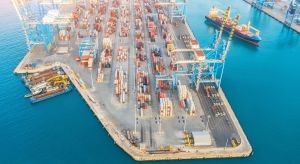
Container terminals are very important to the shipping business around the world. It’s becoming more and more important for ports and platforms to work well as trade grows and the world economy becomes more linked. Container terminals are where goods are transferred from one mode of transport to another, whether from ships to trucks, rail, or vice versa. These hubs are responsible for ensuring that goods are loaded, unloaded, and transported efficiently across the globe, directly impacting shipping costs, delivery speeds, and overall trade competitiveness.
The Role of Container Terminals in Shipping
Container terminals are a vital part of the supply chain, acting as the primary interface between cargo ships and land-based transport systems. These terminals are often located near harbours, making them ideal points for large vessels to dock and transfer containers. Every container terminal is equipped with specialized facilities for the handling, storage, and transfer of containers. These operations help ensure that cargo is delivered to its destination on time and with minimal cost.
Before the rise of container terminals, goods were manually loaded and unloaded, which was time-consuming, inefficient, and often prone to damage. Today, container terminals use advanced technology, cranes, and automated systems to streamline the process, allowing them to handle thousands of containers every day. This transformation has not only improved the efficiency of port operations but has also reduced the time vessels spend in port, allowing shipping lines to maintain faster turnaround times.
Key Technologies That Improve Efficiency in Container Terminals

Technology significantly drives the efficiency of container terminals. Here are some of the key technological advancements that have reshaped how goods move through these facilities.
Automated Container Handling Systems
One of the most significant improvements in shipping efficiency has come from automated container handling systems. These systems allow for the seamless movement of containers within the terminal without the need for human intervention. Automated guided vehicles (AGVs) and cranes are now commonly used to transport containers from the ship to the storage area or to trucks for onward delivery.
For instance, in some of the world’s most efficient terminals, such as those in Singapore and Rotterdam, AGVs autonomously navigate the yard, reducing delays and human error. This automation has drastically cut down on the time spent loading and unloading containers.
Real-Time Tracking and Data Analytics
Real-time tracking systems are another essential advancement. These systems use sensors and GPS to track the exact location of containers throughout the terminal, allowing operators to make informed decisions quickly. Data analytics is also employed to predict the most efficient ways to organize and transport containers within the terminal. This allows for better planning and coordination, leading to reduced wait times and quicker throughput.
Smart Ports and the Internet of Things (IoT)
The concept of smart ports is gaining traction, and it’s helping container terminals become more efficient. By integrating Internet of Things (IoT) devices across the terminal, operators can gather data on everything from traffic patterns to container conditions and use this data to optimize operations. For example, sensors placed on containers can monitor temperature, humidity, and other conditions, ensuring that sensitive goods, such as perishables, are transported in optimal conditions.
How Container Terminals Streamline the Supply Chain
Container terminals are essential to the smooth functioning of global supply chains. They act as key logistics hubs, ensuring goods are efficiently moved between ships, trucks, and trains. This helps reduce delays and ensures that products reach their destinations on time.
Reducing Shipping Costs
Shipping costs are a major concern for businesses around the world, and any opportunity to reduce these costs is highly valued. By improving container terminal efficiency, ports can reduce the time a vessel spends in port, lowering the overall cost of shipping. When a terminal is operating efficiently, ships can dock, load, and unload containers faster, allowing them to return to sea more quickly and reducing the need for long waiting times.
In fact, statistics show that reducing the time a ship spends at port by just one day can save up to $10,000 in operating costs. This means that a more efficient container terminal directly translates into lower shipping costs for businesses, ultimately benefiting consumers.
Minimizing Downtime
Downtime, especially for ships, is incredibly costly. When a vessel is delayed at port, it can’t make the return journey on schedule, leading to cascading delays throughout the supply chain. Operators design container terminals to minimize downtime and keep them running 24/7 to handle containers quickly and efficiently.
Terminal operators can monitor and control container flow. They do this with automated systems, real-time tracking, and data analytics. We can find and fix any delays before they become big issues. This proactive method of running the terminals helps keep the supply chain running smoothly and avoids costly downtime.
Expediting Customs Clearance
Customs clearance is another area where container terminals have made a huge impact on efficiency. Many ports today employ digital systems that facilitate faster and more accurate customs procedures. The implementation of paperless processes, automated inspections, and electronic document tracking has reduced delays caused by manual paperwork, speeding up customs clearance.
Technologies like blockchain can improve the transparency and accuracy of customs operations. This leads to faster clearance processes and less delay.
Statistics and Trends in Shipping Efficiency
As the demand for faster and more efficient shipping continues to rise, container terminals are evolving rapidly. According to the International Maritime Organization (IMO), container handling volumes are expected to grow by 4.7% annually over the next decade. This surge in volume is pushing terminals to adopt new technologies that can handle more containers while maintaining high efficiency.
Additionally, the average size of container ships has increased significantly in recent years. Some of the largest vessels today can carry over 24000 containers. This requires highly efficient terminal operations to accommodate them. The size of ships continues to grow. The demand for bigger, more efficient terminals is likely to rise as well.
Environmental Impact of Efficient Container Terminals
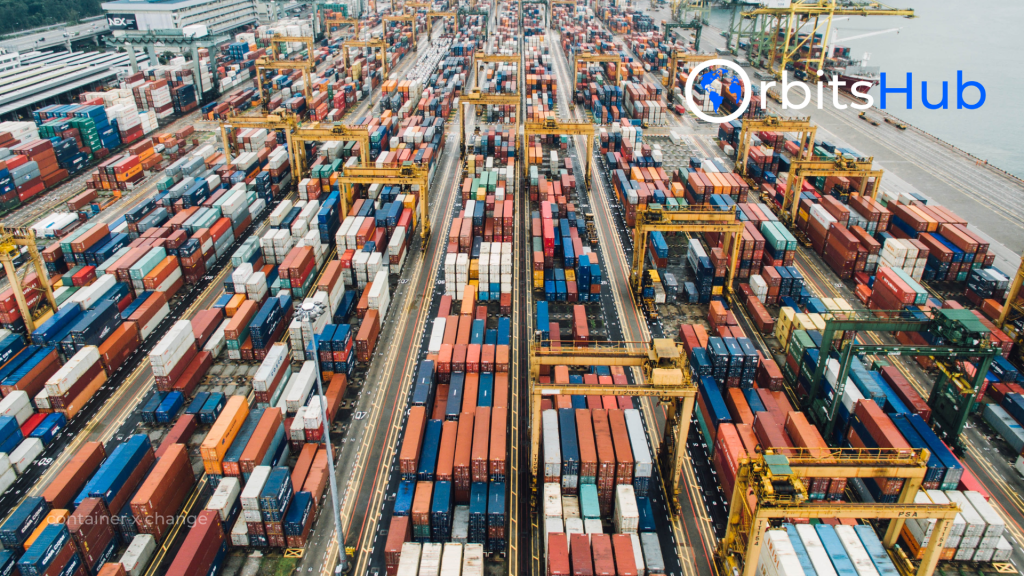
Apart from improving shipping efficiency, modern container terminals also contribute to sustainability. With greater efficiency, fewer ships need to dock, reducing fuel consumption and lowering emissions. Also, many terminals are making changes to their operations that are better for the environment.
Container terminals are streamlining operations to reduce their environmental impact. They are also using green technologies to contribute to sustainable global trade.
Key Benefits of Efficient Container Terminals
- Faster Turnaround Times: Faster loading and unloading processes reduce waiting times for ships. This allows for quicker turnover and more frequent sailings.
- Lower Shipping Costs: Automation and data analytics help lower the cost of operations, translating into lower costs for businesses.
- Reduced Environmental Impact: Sustainable practices and efficient operations help reduce the carbon footprint of shipping activities.
- Better Customer Satisfaction: Faster, more reliable shipping results in better customer satisfaction and enhanced supply chain reliability.
- Enhanced Safety: Automation and real-time tracking help reduce the likelihood of accidents, improving safety within terminals.
Frequently Asked Questions
1. How do container terminals help in reducing shipping costs?
Container terminals improve efficiency through automation and real-time tracking. This leads to reduced time ships spend in port and lower operational costs.
2. What role does technology play in container terminal efficiency?
Technology such as automated systems, real-time tracking, and IoT devices streamline container handling, reduce delays, and enhance overall terminal performance.