

The RMS Titanic wreckage, which people often just called “The Titanic,” was a passenger ship that hit an iceberg on its maiden journey from Southampton, UK, to New York City, US, and sank in the North Atlantic Ocean early in the morning of April 15, 1912. A century later, the Titanic story of ambition, arrogance, and human tenacity in the face of disaster still captivates.
However, the story of the Titanic continues after its descent into the icy depths. Over 3,800 meters of North Atlantic Ocean pressure and darkness kept the “unsinkable” ship’s final resting site a secret for decades. This all changed with the advent of Deep-Ocean Exploration Vehicles (DOEVs), more commonly known as submersibles. These technological advances allowed scientists and explorers to plunge to the Titanic’s wreck.
RMS Titanic Wreckage: Exploring the Titanic with Submersibles
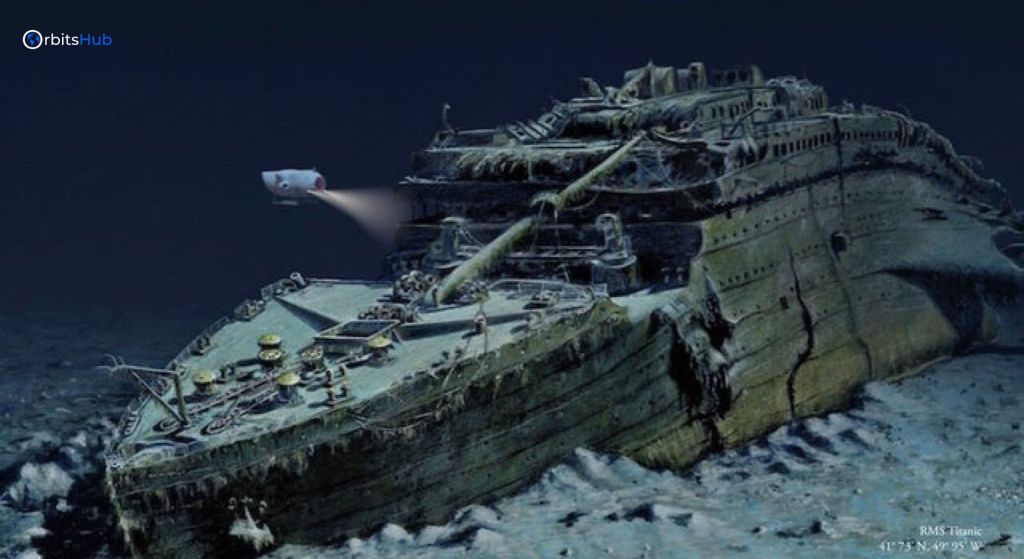
The first successful dives to the Titanic wreck site were conducted in 1985 by a French-American team led by Dr. Robert Ballard. Their submersible, DSV Alvin, captured the world’s attention with its grainy black-and-white video footage of the once-majestic ship lying broken and interred on the seabed.
Since then, many submersibles have visited the wreck site, helping us understand the accident and the magnificent deep-ocean environment. Here’s a closer look at the different types of submersibles used to explore the Titanic:
1. Human Occupied Vehicles (HOVs)
As the name suggests, these submersibles are designed to carry one or more pilots/observers inside a pressurized cabin. Human Occupied Vehicles like DSV Alvin provide a firsthand view of the wreck site and allow for real-time decision-making and interaction with the environment. However, they are limited in their operational depth because they need to keep the team safe and comfortable.
2. Remotely Operated Vehicles (ROVs)
ROVs are untethered, camera-equipped vehicles operated by a team on a surface vessel. They offer excellent manoeuvrability and can reach deeper depths than HOVs. Remotely Operated Vehicle are instrumental in capturing high-resolution video footage and collecting scientific data from the wreck site.
3. Autonomous Underwater Vehicles (AUVs)
These self-propelled submersibles operate independently, following pre-programmed courses and collecting data without human intervention. AUVs are particularly useful for mapping large areas of the seabed and conducting repetitive surveys.
What Have We Learned from RMS Titanic Submersible Explorations?
Submersible dives to the Titanic disaster site have revealed much about the ship and deep-sea environment. Here are some key takeaways from these expeditions:
- Understanding the Sinking: A detailed examination of the wreck has provided valuable insights into the events that led to the sinking. Scars and debris fields reveal the path of the iceberg and the catastrophic impact that tore the ship apart.
- Marine Life in the Abyss: Contrary to popular belief, the deep ocean is teeming with life. Submersibles have documented a diverse range of organisms thriving near the wreck, including extremophile bacteria, bioluminescent creatures, and even a species of snail named “Chrysomallon squamiferum” that seems to have a particular fondness for the rusting hulk of the Titanic.
- Oceanographic Research: The data collected by submersibles during RMS Titanic dives contributes to a broader understanding of deep-sea currents, pressure variations, and the impact of human activity on the fragile ocean ecosystem.
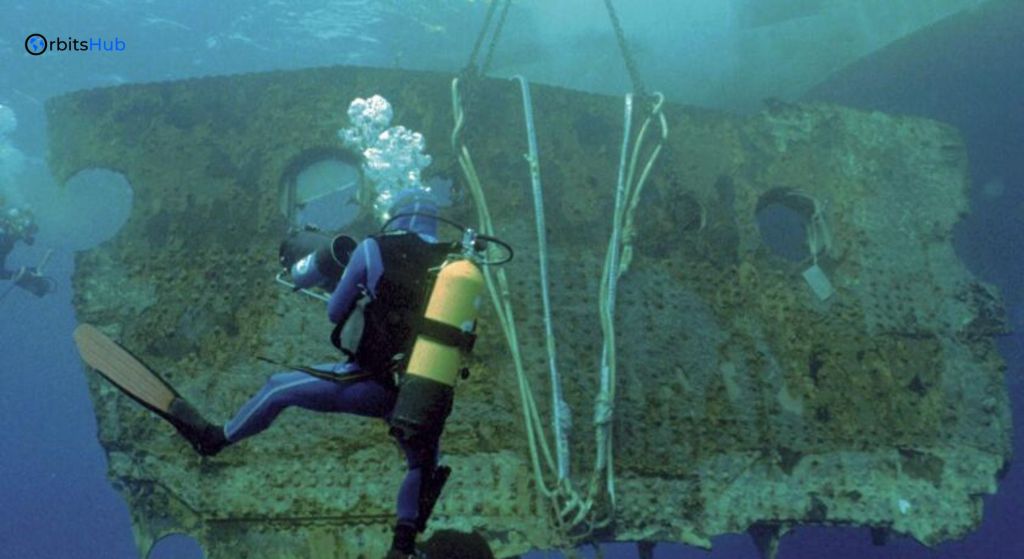
The Future of Deep-Ocean Exploration: RMS Titanic Wreckage
Submersible technology constantly evolves, pushing the boundaries of what’s possible regarding depth, manoeuvrability, and data collection capabilities. Here’s a glimpse into what the future holds for deep-ocean exploration:
- Deeper Dives: New submersibles are being designed to reach even greater depths, opening up previously unexplored ocean floor regions. This will allow us to study hydrothermal vents, deep-sea trenches, and other extreme environments that may hold secrets about the origins of life on Earth.
- Enhanced Sensors and AI: Sensor technology and artificial intelligence advancements are revolutionizing data collection and analysis. For better data collection and feature identification, submersibles will use advanced cameras, sonar, and AI software.
- Sustainable Exploration: The environmental impact of deep-ocean exploration is a growing concern. Future submersibles will be designed with sustainability, utilizing energy-efficient technologies and minimizing their footprint on the delicate deep-sea ecosystem.
- Commercial Applications: Deep-ocean exploration has the potential to unlock valuable resources and scientific breakthroughs. Submersibles can be used for mineral exploration, oil and gas extraction (with strict environmental regulations), and studying deep-sea organisms with potential applications in medicine and biotechnology.
OrbitsHub: Maritime and Aviation Industry
The story of the RMS Titanic and its exploration by submersibles highlights the fascinating intersection of history, technology, and our desire to explore the unknown. At OrbitsHub, a leading maritime and aviation consultancy, we are passionate about the future of these industries.
Our team of professionals can help you understand the complicated laws and rules that guide operations at sea and in the air. This includes cutting-edge technologies like deep-ocean exploration vehicles, as well as constantly changing rules and safety standards. No matter how much experience you have or whether you are starting out, OrbitsHub can help you find your way around the exciting worlds of flight and maritime.
The RMS Titanic may have met a tragic end, but its legacy inspires innovation and exploration. Submersibles have given us a window into the deep ocean, revealing the past, present, and sustainable future. As technology progresses, more ocean mysteries will be revealed.
Are you curious about deep-ocean exploration and its impact on the maritime industry? Visit the OrbitsHub website today and explore the vast resources we offer!

