Light Sport Aircraft (LSA) have become increasingly popular among aviation enthusiasts due to their affordability, ease of use, and freedom. These aircraft are designed to be lightweight, simple to operate, and economical to maintain, making them an excellent choice for recreational flying. One of the most frequently asked questions by potential LSA owners and pilots is, “How far can a light sport aircraft travel on a full tank?” This question is crucial for planning flights, estimating costs, and understanding the aircraft’s capabilities.
What is a Light Sport Aircraft?
Definition and Regulations
Light Sport Aircraft are defined by the Federal Aviation Administration (FAA) under the Light-Sport Aircraft rule. These aircraft must meet specific criteria, including:
- Two different weight limits apply for takeoff: 1,320 lbs (600 kg) for land planes and 1,430 lbs (650 kg) for seaplanes.
- A maximum seating capacity of two people.
- A single, reciprocating engine.
- Fixed or ground-adjustable propeller.
- Fixed landing gear.
These regulations ensure that LSAs are easy to operate and safe for recreational pilots.
Types of Light-Sport Aircraft
LSAs come in various types, including:
- Fixed-wing aeroplanes: The most common type, resembling small traditional aircraft.
- Weight-shift control trikes: Featuring a hang-glider-like wing and a tricycle undercarriage.
- Powered parachutes: Equipped with a parachute canopy and motor.
- Gyroplanes: Using an unpowered rotor for lift and a powered propeller for thrust.
Each type has unique characteristics that affect its range and performance.
Factors Affecting the Range of Light-Sport Aircraft
Fuel Capacity
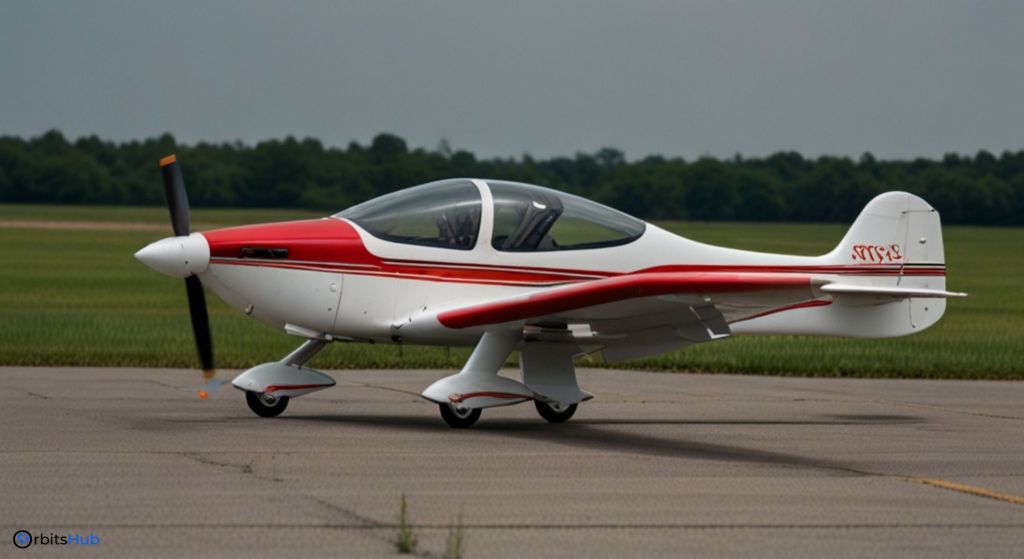
The fuel capacity of an LSA is a primary factor determining its range. LSAs typically have fuel tanks ranging from 20 to 30 gallons. A plane’s range between fuel stops is directly proportional to its cargo capacity.
Fuel Efficiency
Different LSA models have different fuel efficiency, measured in MPG or GPH. Factors influencing fuel efficiency include:
- Engine type and size: Smaller, more efficient engines consume less fuel.
- Aircraft design: Aerodynamic designs reduce drag and improve fuel efficiency.
- Weight: Lighter aircraft require less power and fuel to maintain flight.
Cruise Speed
The cruise speed, or the optimal speed for fuel efficiency during level flight, also impacts an LSA’s range. Higher cruise speeds can cover more distance in less time but may reduce fuel efficiency.
Weather Conditions
Weather factors such as wind speed, direction, temperature, and humidity can impact an LSA’s range. Tailwinds can increase range by providing additional thrust, while headwinds can decrease range by creating resistance. Extreme temperatures and high humidity can also impact engine performance and fuel consumption.
Pilot and Passenger Weight
The combined weight of the pilot, passenger, and any cargo affects an aircraft’s range. Heavier loads require more power and fuel to maintain flight, reducing the overall range.
Examples of Light-Sport Aircraft and Their Ranges
Popular LSA Models
- Pipistrel Virus SW 121
- Fuel Capacity: 26 gallons
- Fuel Efficiency: 5 gallons per hour
- Cruise Speed: 135 knots (155 mph)
- Range: Approximately 600 miles
- Flight Design CTLS
- Fuel Capacity: 34 gallons
- Fuel Efficiency: 4 gallons per hour
- Cruise Speed: 112 knots (129 mph)
- Range: Approximately 850 miles
- Tecnam P2008
- Fuel Capacity: 24 gallons
- Fuel Efficiency: 5 gallons per hour
- Cruise Speed: 110 knots (127 mph)
- Range: Approximately 520 miles
- Icon A5
- Fuel Capacity: 20 gallons
- Fuel Efficiency: 4 gallons per hour
- Cruise Speed: 95 knots (109 mph)
- Range: Approximately 480 miles
Maximizing the Range of Your Light Sport Aircraft
Efficient Flight Planning
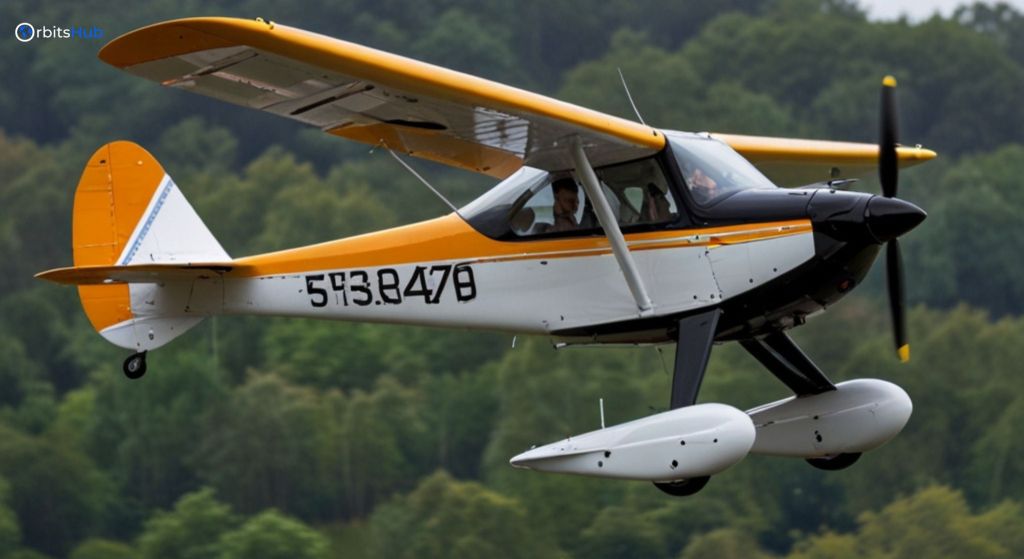
Proper flight planning can significantly enhance your LSA’s range. Consider the following tips:
- Choose optimal routes: Plan routes with favourable weather conditions and minimal headwinds.
- Maintain optimal altitude: Flying at altitudes where the air is less dense can reduce drag and improve fuel efficiency.
- Use tailwinds: Plan flights to take advantage of tailwinds whenever possible.
Weight Management
Keeping your LSA as light as possible will improve its range. Here are some strategies:
- Limit cargo: Only carry essential items and avoid unnecessary weight.
- Manage fuel load: Fill the fuel tank based on the required range to avoid carrying excess weight.
- Monitor passenger weight: Be mindful of the combined weight of the pilot and passenger.
Proper Maintenance
Regular maintenance ensures your LSA operates at peak efficiency. Critical maintenance practices include:
- Engine tuning: Keep the engine in optimal condition to ensure fuel efficiency.
- Aerodynamic cleaning: Remove any dirt or debris that can create drag and reduce performance.
- Tire pressure: Maintain proper tire pressure to reduce rolling resistance during takeoff and landing.
Understanding how far a Light-Sport Aircraft can travel on a full tank is essential for planning safe and efficient flights. Various factors, including fuel capacity, fuel efficiency, cruise speed, weather conditions, and weight, all influence the range of an LSA. Pilots can ensure they get the most out of their aircraft by considering these factors and implementing strategies to maximize efficiency.
Whether you’re a seasoned pilot or a newcomer to the world of Light-Sport Aircraft, knowing the capabilities and limitations of your aircraft is crucial. If you want to learn more about LSAs or need professional aviation consultancy services, visit the OrbitsHub website. To elevate your aviation experience, peruse our extensive resources and professional advice.