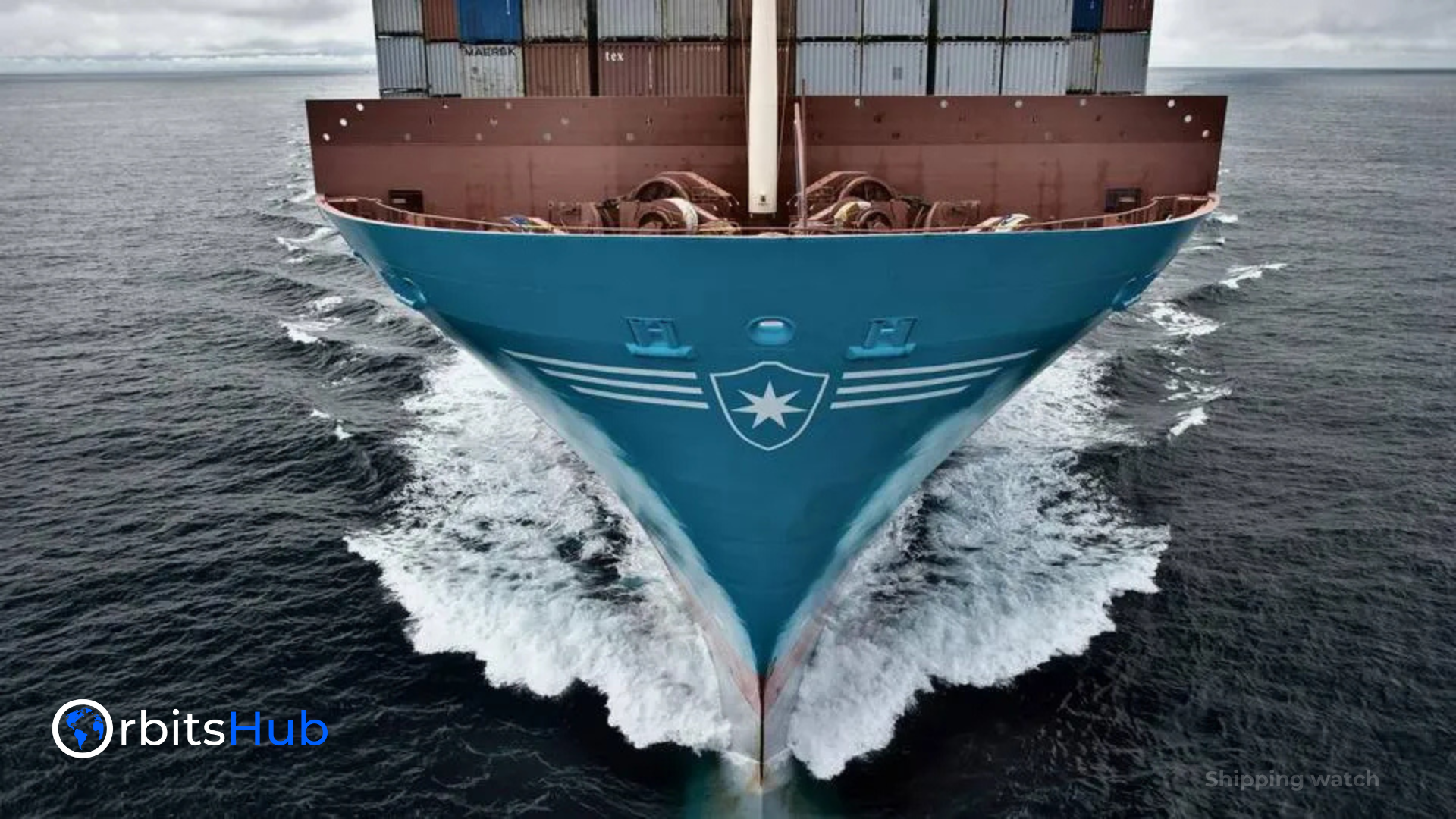
In the ever-evolving world of global trade, Maersk Line stands out as one of the most influential players. Founded in 1904, Maersk began as a small shipping company in Denmark but has grown into a global leader in logistics, maritime transport, and supply chain management. The company’s expansive fleet and innovative strategies have significantly contributed to the growth of international trade, impacting economies and industries across the globe.
Maersk Line: From Humble Beginnings to Global Leader
The Early Days of the Maersk Line
Maersk’s journey began in 1904 when Captain Peter Mærsk Møller founded the company in Denmark. Initially focused on shipping goods between Denmark and the United States, the company quickly recognized the vast potential of the global market. By the 1950s, Maersk had expanded its operations, becoming a prominent player in the maritime industry. This expansion began the company’s long-standing legacy of innovation and strategic growth.
Maersk embraced the containerization of goods, a revolutionary move in the shipping industry. This move drastically reduced the cost and time required for transporting goods, allowing Maersk to operate globally and transform how trade worked across oceans.
Innovation and Expansion Across Continents
As the 20th century progressed, Maersk Line was at the forefront of technological innovations that propelled the industry forward. The company’s fleet grew, and its strategic focus on cost-effective and reliable shipping cemented its place as a market leader. By the turn of the century, Maersk had established itself as one of the largest container shipping companies in the world, with a market share of more than 18%.
Maersk Line’s global presence spanned over 130 countries, making it vital to international commerce. The company was not only focused on growing its fleet but also on developing the infrastructure that supported the global supply chain, such as ports, distribution hubs, and shipping routes.
The Role of Maersk Line in Global Trade Growth
Redefining Container Shipping and Global Connectivity
One of the most significant contributions of Maersk Line to global trade is its role in transforming container shipping. The standardization of shipping containers in the 1950s revolutionized the logistics industry, and Maersk was instrumental in implementing this change. By making shipping containers a global standard, Maersk enabled faster, more efficient, and secure transportation of goods across borders.
The ability to ship goods in standardized containers allowed for quicker loading and unloading at ports, reducing the overall cost of international shipping. For businesses, this meant a reduction in overhead costs and a faster route to market, which ultimately led to the globalization of trade.
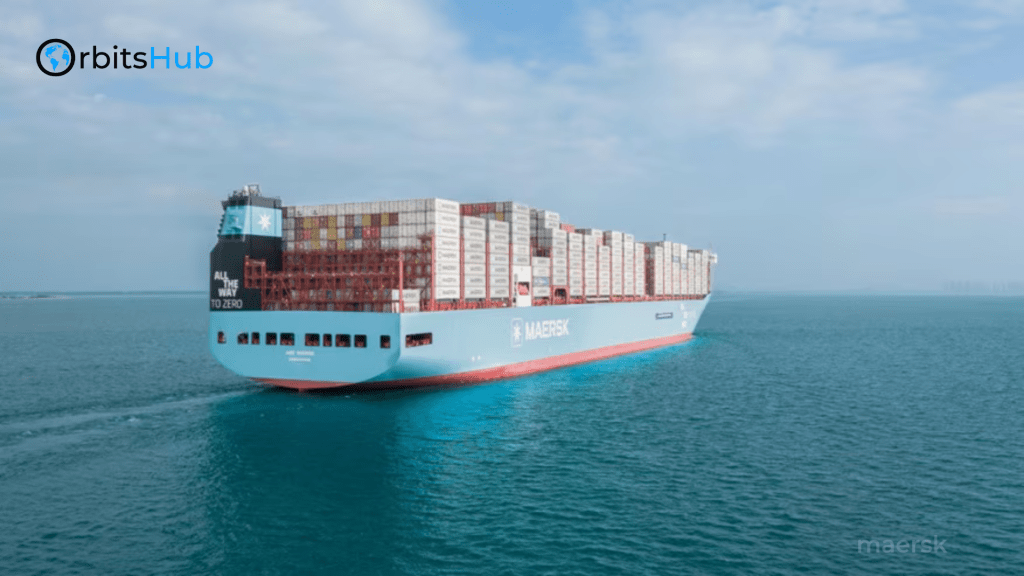
Maersk’s fleet now boasts over 600 vessels, making it one of the largest container shipping companies in the world. The sheer scale of operations allowed Maersk to connect trade routes across continents, facilitating the flow of goods between developed and emerging economies alike. This connectivity has opened up new markets and opportunities for businesses worldwide.
Impact on Global Supply Chains
The efficiency of Maersk Line’s operations has directly contributed to the optimization of global supply chains. By ensuring goods are transported on time and with minimal delays, Maersk has helped companies better manage their inventories, production schedules, and customer deliveries. This reliability has been especially crucial in industries that rely on just-in-time inventory systems, where even a single delay can disrupt the entire supply chain.
Maersk Line’s investment in real-time tracking systems, such as Maersk Flow, has brought an added layer of transparency to global logistics. Businesses can track shipments from origin to destination, improving visibility and helping prevent costly mistakes. This level of visibility has been a game-changer for global trade, offering better control and reducing uncertainty in supply chain operations.
Maersk Line and the Transformation of Global Trade Routes
Expansion of Ports and Infrastructure
Maersk’s global impact extends beyond its fleet of ships. The company’s ability to influence global trade routes and port infrastructure has had a profound effect on international trade. As Maersk’s vessels grew in size and capacity, ports around the world had to adapt to accommodate these larger ships. This led to significant investments in port infrastructure, creating more efficient facilities capable of handling larger cargo volumes.
For example, in countries like China, the United States, and India, Maersk’s role in developing port facilities has created new economic opportunities. Ports have been expanded, new logistics hubs have been established, and local economies have benefited from increased trade activity.
The ability to move goods quickly and efficiently between countries has helped global supply chains operate seamlessly. As Maersk Line continues to evolve, it will undoubtedly play a crucial role in developing new trade routes and upgrading port facilities to meet the demands of the future.
Maersk’s Influence on Emerging Markets
Maersk Line has also had a significant impact on emerging markets. By providing accessible and affordable shipping services, Maersk has opened up new opportunities for businesses in developing economies. These businesses, once restricted by the high costs and inefficiencies of traditional shipping methods, can now access global markets, allowing them to grow and expand.
Additionally, Maersk’s presence in emerging markets has driven the development of local infrastructure and logistics capabilities. The company’s investments in these regions have not only improved trade but also created jobs and contributed to economic growth.
Digital Transformation and Sustainability in Maersk Line’s Future

Technological Advancements Driving the Future of Shipping
In recent years, Maersk Line has been at the forefront of digital transformation in the shipping industry. With the advent of new technologies such as blockchain, artificial intelligence, and automation, Maersk has integrated these innovations into its operations to streamline processes, enhance efficiency, and reduce costs.
One notable initiative is Maersk’s partnership with IBM to create the TradeLens platform, which uses blockchain technology to digitize the entire shipping process. This platform allows for more secure, transparent, and efficient transactions, helping to cut down on paperwork, reduce fraud, and improve communication between stakeholders in the supply chain.
Furthermore, Maersk has been investing in the automation of port operations and the development of autonomous shipping vessels. These innovations promise to reduce human error, optimize routes, and improve fuel efficiency, making Maersk a leader in sustainable shipping practices.
Commitment to Sustainability
Maersk is also committed to sustainability and reducing its carbon footprint. The company has set ambitious goals to achieve net-zero carbon emissions by 2050. Maersk is transitioning to cleaner fuels. They are also investing in energy-efficient technologies and promoting sustainable practices throughout their operations.
The shipping industry is a major contributor to global carbon emissions. Maersk’s efforts to reduce its environmental impact are crucial for the long-term sustainability of global trade. Maersk embraces green technologies and eco-friendly practices. This positions the company as a leader in the industry while ensuring sustainable supply chains for future generations.
The Future of Maersk Line and Its Role in Global Trade
As Maersk continues to lead the shipping industry, the company is well-positioned to drive the next wave of innovation in global trade. Maersk will remain an influential force in shaping the future of global supply chains. This is due to its focus on digitalization, automation, and sustainability.
The rise of e-commerce, shifting trade patterns, and growing environmental concerns will present new challenges and opportunities for Maersk. However, with its vast network and innovative solutions, Maersk will undoubtedly continue to play a central role. Its commitment to excellence ensures it will remain a key player in the movement of goods around the world.
Frequently Asked Questions
1. How has Maersk Line impacted global supply chains?
Maersk is at the forefront of driving innovation in global trade. By embracing digital technologies, sustainability initiatives, and automation, they are meeting the growing demands of the global economy.
2. What role does Maersk play in the future of global trade?
Maersk is at the forefront of driving innovation in global trade, embracing digital technologies, sustainability initiatives, and automation. These efforts are aimed at meeting the growing demands of the global economy.