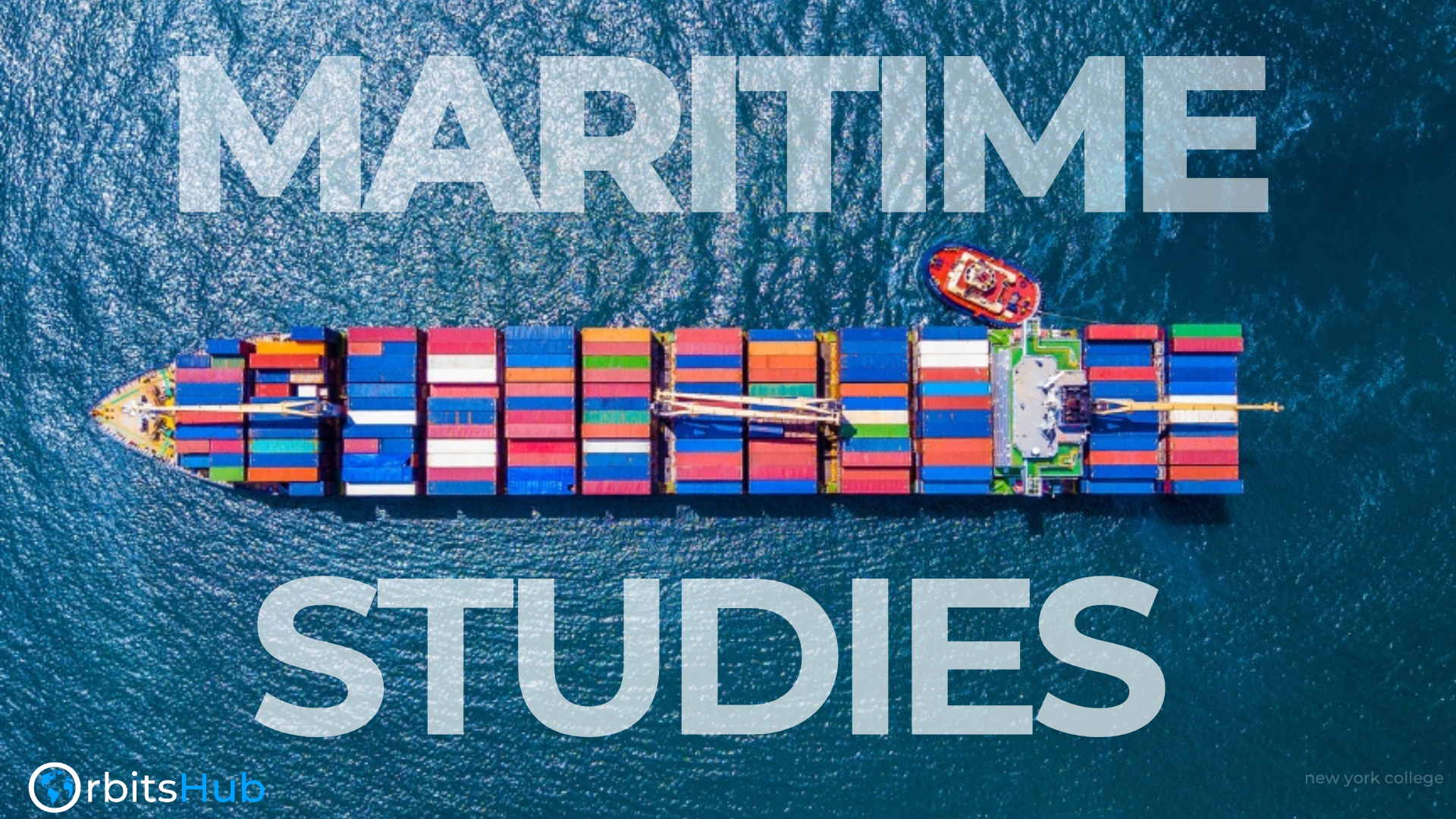
Imagine a world without ships transporting goods across oceans. Supermarkets would lack fresh produce, technology companies would struggle to get essential components, and economies would stall. Maritime trade is the backbone of global commerce, and maritime studies play a crucial role in understanding, optimizing, and securing this industry.
Maritime studies encompass a range of disciplines, from logistics and navigation to environmental sustainability and international trade policies. These studies help countries develop efficient trade routes, ensure maritime safety, and support economic growth. With over 80% of global trade carried by sea, the importance of maritime studies cannot be overstated.
The Role of Maritime Studies in Global Trade
Understanding International Shipping and Logistics
Maritime studies provide in-depth knowledge about shipping operations, port management, and global supply chains. Experts in this field analyze trends, identify bottlenecks, and recommend solutions to improve efficiency. For example, containerization—a breakthrough in maritime logistics—has significantly reduced shipping costs and delivery times.
The United Nations Conference on Trade and Development (UNCTAD) reports that in 2022 global marine trade was 11 billion tons, and Asia was responsible for almost 40% of world exports. This highlights the scale and significance of maritime transport in international trade.
Enhancing Maritime Safety and Security
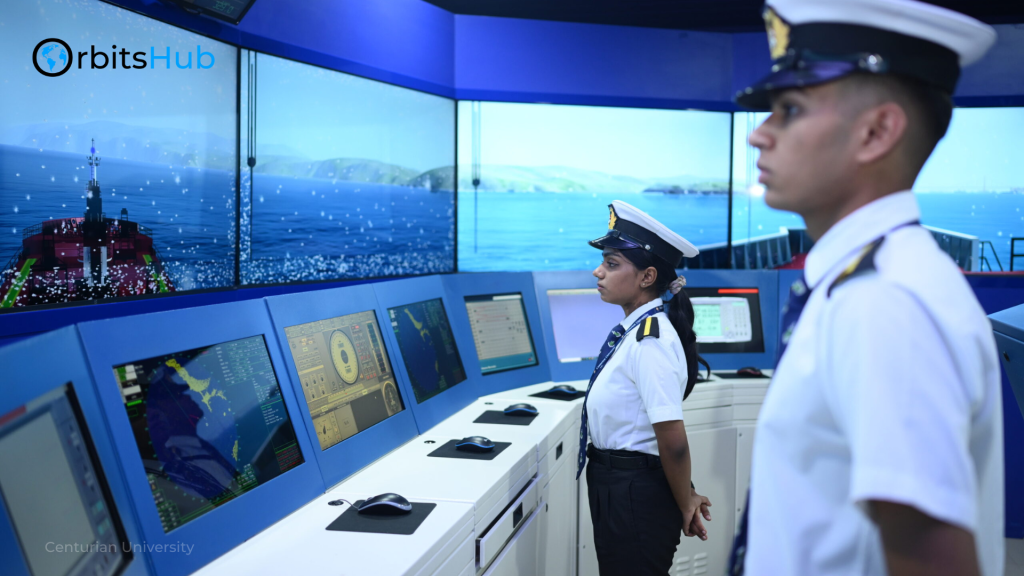
Safety is a critical concern in maritime trade. With millions of vessels navigating international waters, maritime studies help enforce safety protocols, reduce piracy risks, and ensure environmental protection. The International Marine Organization (IMO) creates worldwide rules for shipping safety, and marine workers are trained to follow these rules.
A well-trained workforce in maritime safety can prevent disasters such as oil spills, collisions, and cargo loss. This not only protects lives but also minimizes financial losses and environmental damage.
The Economic Impact of Maritime Studies
Strengthening Coastal Economies
Coastal cities and nations rely heavily on ports for economic growth. Maritime studies guide governments and businesses in optimizing port operations, attracting investments, and boosting local economies. Ports like Shanghai, Rotterdam, and Los Angeles are economic powerhouses, generating billions of dollars annually.
A study by the World Bank reveals that an efficient port can increase a country’s GDP by 1% to 2% annually. This demonstrates the direct correlation between maritime education, port efficiency, and national economic development.
Job Creation and Workforce Development
The maritime industry is a major employment sector, providing jobs for millions worldwide. From seafarers and port operators to shipbuilders and logistics managers, maritime studies offer diverse career opportunities.
The International Chamber of Shipping (ICS) reports that more than 1.9 million sailors are employed in the worldwide shipping business. With new technology and eco-friendly shipping, new jobs are being created that need specific skills and training.
Driving Innovation and Sustainability
Maritime studies help improve technology and support eco-friendly practices. Scientists and engineers are aiming to develop cleaner energy sources, such as hydrogen fuel and liquefied natural gas (LNG), as well as more fuel-efficient ships.
Challenges and Future Prospects

Addressing Climate Change and Environmental Concerns
As climate change intensifies, the maritime industry faces increasing pressure to adopt sustainable practices. Maritime studies focus on eco-friendly shipping, waste management, and regulatory compliance to ensure a balance between economic growth and environmental responsibility.
Organizations like the International Maritime Organization (IMO) aim to cut greenhouse gas pollution by 50% by 2050. Maritime workers are essential for putting these plans into action and coming up with new ideas.
Digital Transformation in Maritime Trade
The growth of artificial intelligence (AI), blockchain, and automation is changing the maritime business. Smart ports, self-driving ships, and online transportation systems are changing how global trade works. Maritime studies equip professionals with the skills to navigate this technological shift and maximize efficiency.
For instance, blockchain technology is being used to enhance transparency in supply chains, reducing fraud and improving tracking systems. The future of maritime trade lies in embracing digital advancements while ensuring safety and security.
Final Thoughts
Maritime studies are more than just a field of academic research; they are a driving force behind global trade and economic stability. By fostering innovation, enhancing safety, and promoting sustainable practices, maritime professionals play a vital role in shaping the world economy. As trade continues to evolve, investing in maritime education and research will be crucial for future growth.
Frequently Asked Questions
1. How does maritime trade impact global economies?
Maritime trade facilitates international commerce by ensuring the efficient transport of goods. It supports industries, creates jobs, and contributes to national GDPs. Countries with strong maritime infrastructure experience higher economic growth and competitiveness in global markets.
2. What career opportunities are available in maritime studies?
Maritime studies offer diverse career paths, including shipping management, logistics, marine engineering, port operations, and environmental sustainability. With advancements in technology, new roles in digital maritime trade and green shipping are also emerging.