Imagine a world without ships transporting goods across oceans. The shelves in your local store would be empty, your favourite gadgets would take years to arrive, and businesses would struggle to operate. Ocean freight is the invisible force that powers global trade, ensuring that products reach every corner of the world efficiently and affordably. Whether you are a business owner, an entrepreneur, or simply curious about how things move across the seas, understanding ocean freight is crucial.
What is Ocean Freight?
When things are moved by sea on big cargo ships, this is called ocean freight. It is one of the oldest and most effective ways to send goods from one country to another. Businesses choose ocean freight because it allows them to transport large quantities at a lower cost compared to air freight.
There are different types of ocean freight, depending on the size and nature of the shipment:
- Full Container Load (FCL): A single shipper uses an entire container for their goods, ensuring security and faster transit.
- Less than Container Load (LCL): Multiple shippers share space in a single container, reducing costs but sometimes leading to longer transit times.
- Bulk and Break Bulk Shipping: Used for oversized cargo, such as raw materials, heavy machinery, or industrial goods.
How Ocean Freight Works
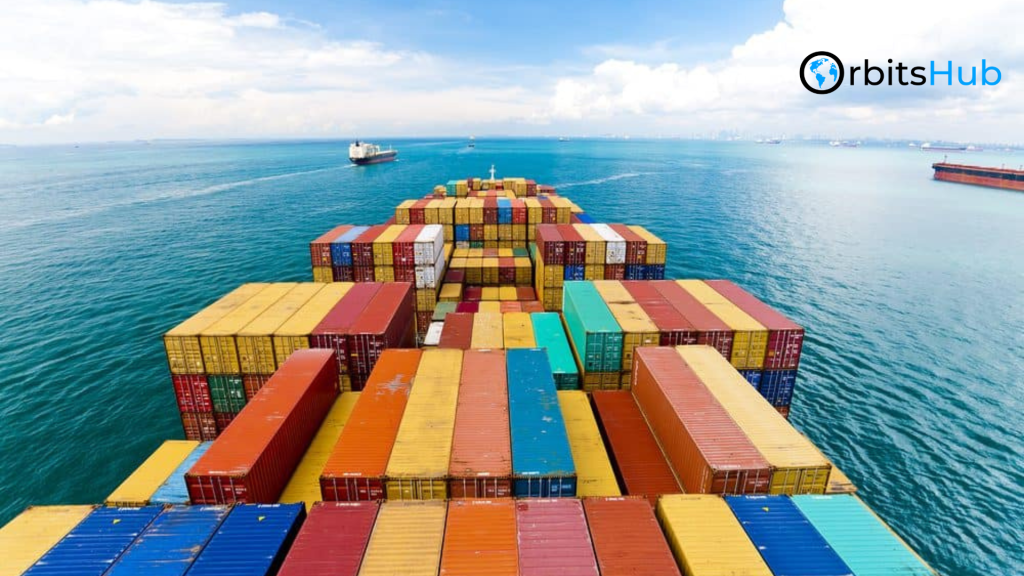
The journey of a shipment through ocean freight involves several steps, each ensuring that goods reach their destination safely and legally.
1. Booking the Shipment
The first step is booking space on a cargo ship. Businesses either work with freight forwarders (middlemen who handle shipping logistics) or directly with shipping lines.
2. Cargo Preparation and Packaging
Once the shipment is booked, the goods need to be packed properly. They are either placed in standard 20-foot or 40-foot containers or secured as bulk cargo, depending on their size and type.
3. Documentation and Customs Clearance
Shipping internationally requires various documents, including:
- Bill of Lading (a ticket for the goods)
- Commercial Invoice (details the shipment’s value)
- Packing List (explains what is inside the shipment)
These documents ensure compliance with both the exporting and importing countries’ regulations.
4. Loading and Transportation
Once the containers have been cleared through customs, they are put onto the ship and set sail for their trip across the ocean. Based on how far apart the ports are, this step can take anywhere from a few days to a few weeks.
5. Arrival and Unloading
The containers are taken off the ship when it gets to its location. The shipment then goes through customs checks in the country that receives it before being sent to its final location.
6. Final Delivery
Once customs clearance is complete, the goods are delivered to their final destination via trucks, trains, or smaller cargo ships.
Why Businesses Choose Ocean Freight
Many industries rely on ocean freight due to its cost-effectiveness and efficiency. Some key advantages include:
1. Lower Costs
Since shipping by sea is cheaper than shipping by air, it’s the best way to send big, heavy things.
2. High Capacity
Cargo ships can transport enormous amounts of goods in a single trip, which is not possible with trucks or aeroplanes.
3. Suitable for a Wide Range of Goods
From consumer electronics to automobiles, food, and raw materials, ocean freight can handle almost everything.
4. Environmentally Friendlier than Air Freight
Per ton of cargo transported, ships emit significantly fewer greenhouse gases compared to aeroplanes. This makes ocean freight the preferred choice for companies looking to reduce their carbon footprint.
Challenges of Ocean Freight
Despite its advantages, ocean freight does come with certain challenges.
1. Longer Transit Times
While air freight can transport goods across continents in hours, ocean freight can take weeks. This delay is not suitable for time-sensitive shipments.
2. Unpredictable Delays
Bad weather, port congestion, or customs delays can extend delivery times beyond the expected schedule.
3. Complex Documentation
International shipping requires proper documentation, and any mistakes in paperwork can lead to shipment delays or additional costs.
4. Risk of Damage or Theft
Although rare, shipments can get damaged in transit due to rough handling or improper packaging. Using high-quality packing materials and working with reputable shipping companies can minimize this risk.
Ocean Freight in Global Trade
The ocean moves trillions of dollars worth of goods every year, making it the backbone of world trade. It is very important to the economy and has an effect on businesses, customers, and even governments.
- The sea carries about 90% of all world trade, making it the most important way to travel between countries.
- The largest container ship can carry over 24,000 containers, equivalent to the cargo capacity of 1,500 freight planes.
- The busiest shipping route in the world is between China and the United States, with millions of containers transported every year.
With global supply chains becoming more complex, countries are investing in better port infrastructure and digital tracking systems to make ocean freight more efficient.
The Future of Ocean Freight

With technological advancements, ocean freight is evolving rapidly. Some key trends shaping its future include:
1. Smart Containers
Modern shipping containers come equipped with GPS tracking and temperature sensors, allowing businesses to monitor their shipments in real time.
2. Automation and AI
Ports and shipping companies are integrating AI-driven systems to improve cargo handling, reduce human errors, and speed up logistics.
3. Sustainability Initiatives
Shipping companies are investing in fuel-efficient vessels and exploring alternative energy sources like hydrogen and electric-powered ships to reduce environmental impact.
4. Digital Freight Platforms
Online freight booking platforms are making it easier for businesses to compare shipping costs, book space, and track shipments with greater transparency.
Frequently Asked Questions
1. How long does ocean freight take?
The transit time changes based on how far apart the places are. For instance, it can take anywhere from 20 to 45 days to ship something from India to the United States, based on the route and the weather.
2. Is ocean freight cheaper than air freight?
Yes, ocean freight is significantly cheaper than air freight. While air transport is faster, businesses that prioritize cost savings over speed prefer shipping by sea.