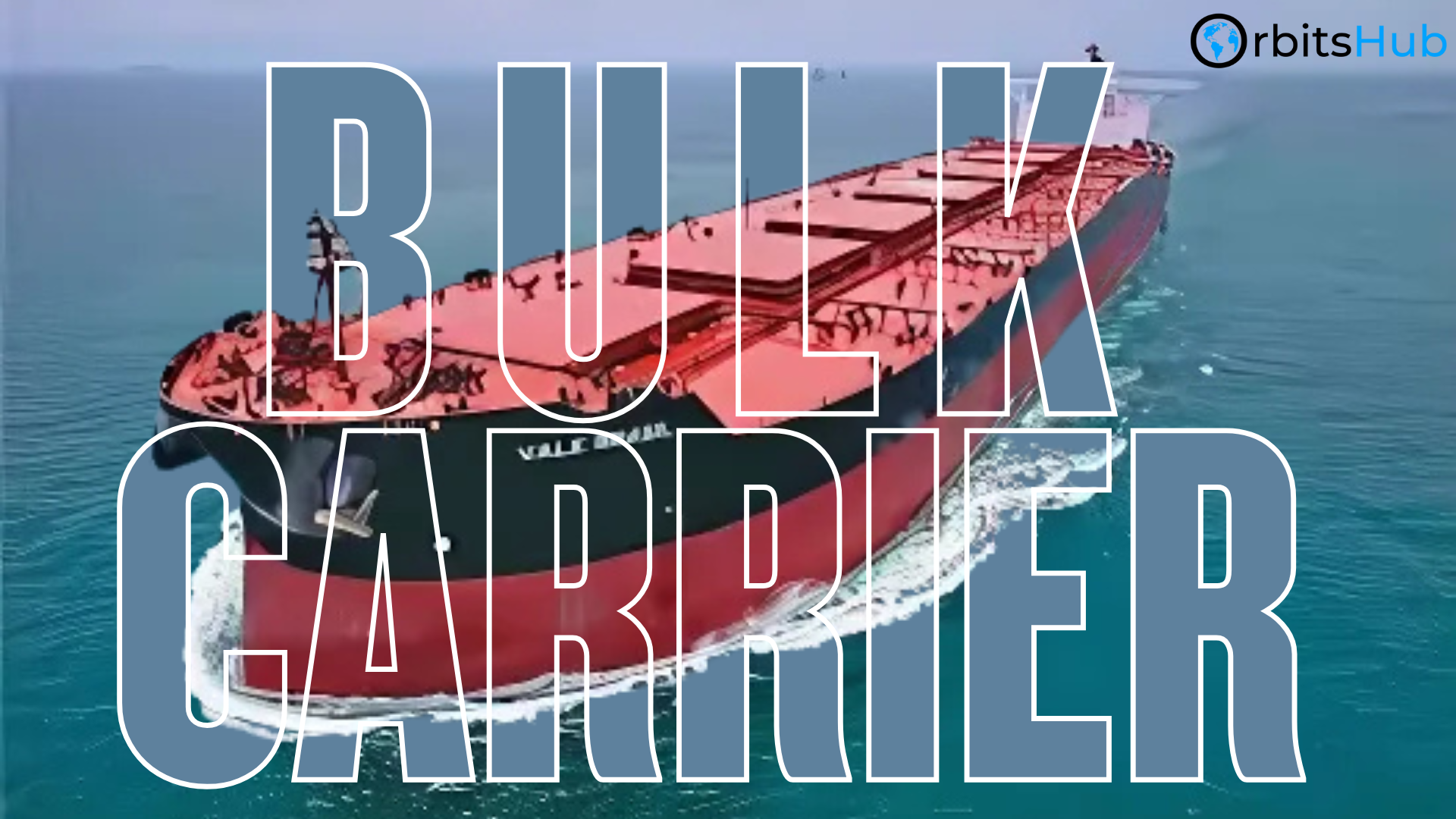
Bulk carriers, the stalwarts of the global shipping industry, are massive vessels designed to transport bulk goods like coal, grain, iron ore, and other raw materials. These ships, often stretching over 200 meters in length, are crucial for international trade and play a significant role in keeping the world’s supply chains moving. However, the very scale of these vessels, coupled with the heavy and often hazardous cargo they carry, raises valid concerns about their safety. Over the years, several accidents and incidents have highlighted the risks involved, but it’s important to note that safety measures for bulk carriers have significantly improved.
The Evolution of Bulk Carrier Safety
In the past, the bulk carrier industry faced several catastrophic accidents due to structural failures, poor maintenance, and unsafe operational practices. Between 1990 and 1997, a series of incidents resulted in the loss of numerous bulk carriers, with over 600 seafarers losing their lives. Many of these accidents were attributed to issues like hull breaches and poor cargo management.
The turning point came in 1997 when the International Maritime Organization (IMO) introduced SOLAS Chapter XII, which provided additional safety measures for bulk carriers. This was a key development in reducing the frequency of accidents, and over time, more comprehensive regulations were put in place, focusing on everything from vessel design to crew training.
The Role of Technology in Enhancing Safety
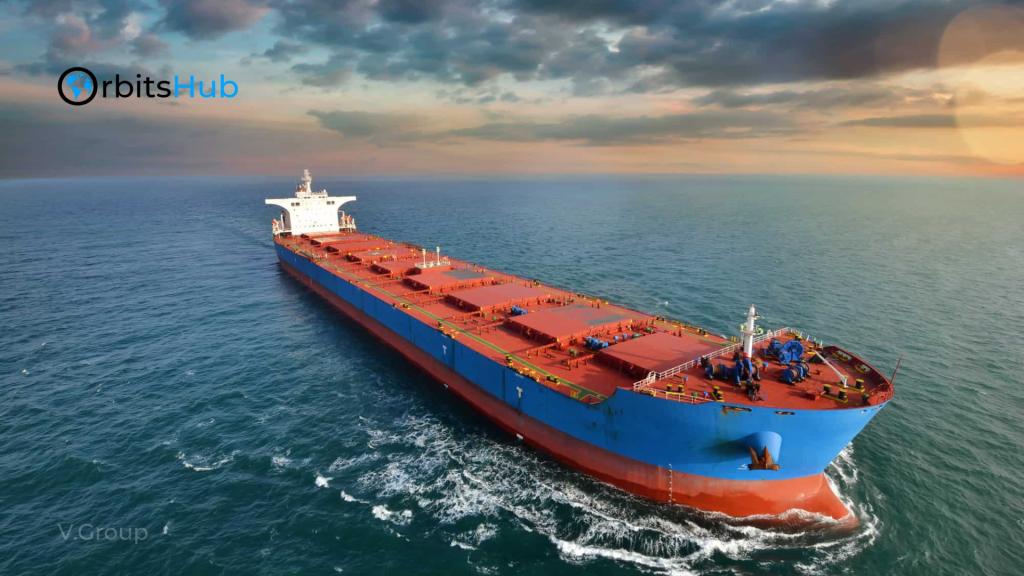
Technology has made a big difference in the safety of bulk hauliers in the last few years. Modern technologies like advanced navigation systems, automated cargo management systems, and systems that keep an eye on ships have made it easier to spot possible dangers early and act quickly on them.
For instance, modern bulk carriers are equipped with advanced radar systems, satellite tracking, and automated communication systems that allow them to navigate safely even in challenging weather conditions. Furthermore, ship owners and operators now use predictive maintenance systems to monitor the health of their vessels and identify any potential problems before they lead to accidents.
Statistical Insights: The Impact of Safety Measures
The bulk carrier industry has made remarkable progress in reducing accidents. According to recent reports, the number of bulk carrier losses has dropped significantly over the past few decades. Between 2014 and 2023, while the global fleet of bulk carriers grew by approximately 20%, the number of incidents involving bulk carriers has steadily decreased.
Improvements in safety measures, better vessel design, and stricter operating standards are all to blame for this good trend. The maritime industry is always trying to lower these numbers even more. In the future, new technologies and stricter rules should make bulk carriers even safer.
Challenges and Ongoing Concerns
Despite significant improvements in safety, there are still some ongoing challenges that the industry must address.
- Cargo Liquefaction: One of the primary concerns for bulk carriers remains cargo liquefaction. Cargoes like nickel ore and iron ore fines can become unstable and turn into a liquid form when exposed to moisture. This can shift the cargo, destabilizing the ship and increasing the risk of capsizing. While new regulations are in place to manage the risks of liquefaction, the issue remains a concern, particularly for ships operating in tropical regions.
- Aging Fleet: A portion of the global bulk carrier fleet is ageing, which poses risks in terms of maintenance and potential safety hazards. Old vessels are more prone to wear and tear, making them vulnerable to accidents. Regular inspections and the timely retirement of outdated vessels are necessary to ensure the safety of bulk carriers.
- Environmental Regulations: As the world moves towards stricter environmental regulations, bulk carriers are being required to reduce emissions and adopt greener technologies. While these changes are essential for sustainability, they also bring about new safety challenges, particularly in adapting to new fuels like ammonia or LNG (liquefied natural gas). The implementation of these technologies while maintaining safety standards is a delicate balancing act.
The Future of Bulk Carrier Safety

The future of bulk carrier safety looks promising. The industry is continuously evolving, with a growing focus on reducing risks through technological advancements, stricter regulations, and better training. Emerging technologies, such as autonomous ships and cleaner, safer fuels, hold the potential to further revolutionize the industry.
Safety standards will continue to get better thanks to the work of shipping companies, government agencies, and foreign groups working together. The global marine industry can make sure that bulk carriers stay safe, dependable, and effective ships that can keep up with the growing needs of global trade by working together.
Frequently Asked Questions
1. What are the main safety measures in place for bulk carriers?
The main safety measures include enhanced structural designs, damage stability criteria, cargo securing protocols, and crew training programs. These measures help ensure the safety of bulk carriers by preventing accidents caused by structural failure, cargo shifting, or human error.
2. How has technology improved bulk carrier safety?
Technology has improved safety by providing advanced navigation systems, predictive maintenance tools, and vessel monitoring systems. These technologies help detect potential hazards early, ensure better vessel management, and reduce human error.