
In today’s rapidly evolving aviation industry, precision and efficiency are paramount. Airlines around the world are tasked with ensuring safe, timely, and fuel-efficient travel for millions of passengers every day. To achieve these goals, airlines rely heavily on advanced technologies, and one of the most vital among them is satellite technology. This system has transformed how aeroplanes navigate the skies, making air travel more reliable and secure than ever before.
The Role of Satellite Technology in Modern Aviation
For decades, airlines have been using traditional navigation methods, like radar and ground-based signals, to guide their aircraft. However, these systems had their limitations, such as weather interference and geographical constraints. Satellite technology brought a revolution to this field by providing a global, consistent, and reliable source of navigation data.
One of the primary advantages of satellite navigation is its ability to operate across vast, remote areas where traditional ground-based systems might be ineffective. Whether an aeroplane is flying over oceans or navigating through mountains, satellite signals provide an uninterrupted, high-accuracy means of tracking the aircraft’s position. This technology is part of the Global Navigation Satellite System (GNSS), which includes systems like the US GPS, Russia’s GLONASS, and the European Union’s Galileo.
How Satellite Technology Works for Airlines
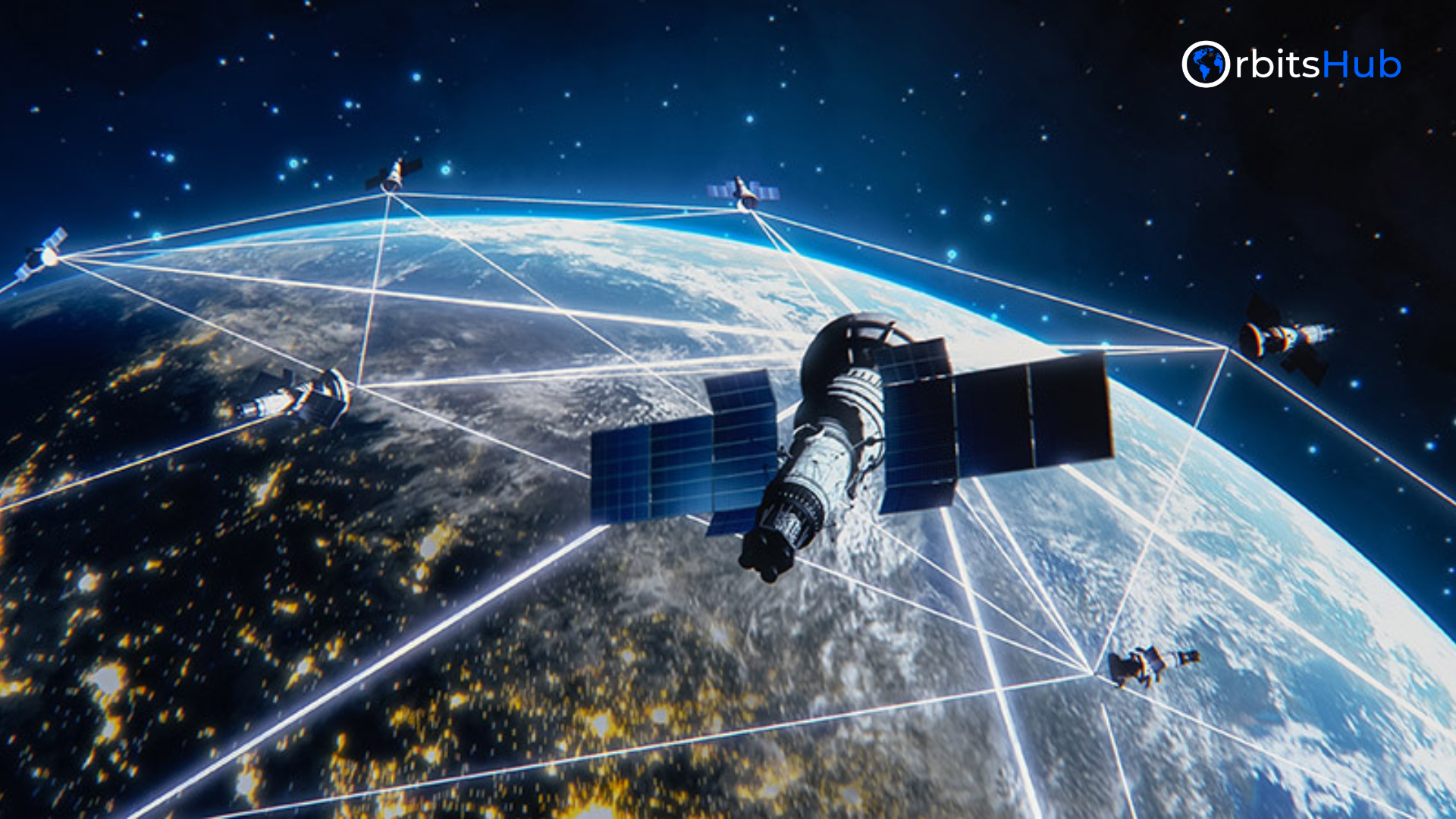
At the core of satellite-based navigation is a network of satellites orbiting Earth, transmitting signals to receivers on aeroplanes. These signals contain the satellites’ exact position and the precise time they were sent. By comparing the signals from multiple satellites, an aircraft’s navigation system can triangulate its precise location anywhere on Earth.
These satellite signals also help with other functions, such as maintaining precise timings for arrivals and departures, enhancing safety, and providing real-time data to both pilots and air traffic control. This makes satellite technology a comprehensive tool for airlines, contributing to smoother and safer flight operations.
Enhancing Safety and Efficiency
Satellite technology isn’t just about navigation; it plays a critical role in increasing the overall safety and efficiency of airline operations. Before the advent of satellite-based systems, planes were often forced to rely on ground-based radar or radio signals for communication and navigation. These methods could be unreliable, especially when travelling over large bodies of water or remote regions.
Today, satellite technology ensures that aeroplanes are constantly connected to air traffic control, no matter where they are flying. This real-time communication allows pilots to receive crucial updates, such as weather changes or potential air traffic congestion, and make necessary adjustments to their flight path. The result is not only safer flights but also greater fuel efficiency, as pilots can avoid delays and detours that would otherwise waste fuel.
Global Navigation and Reduced Fuel Consumption
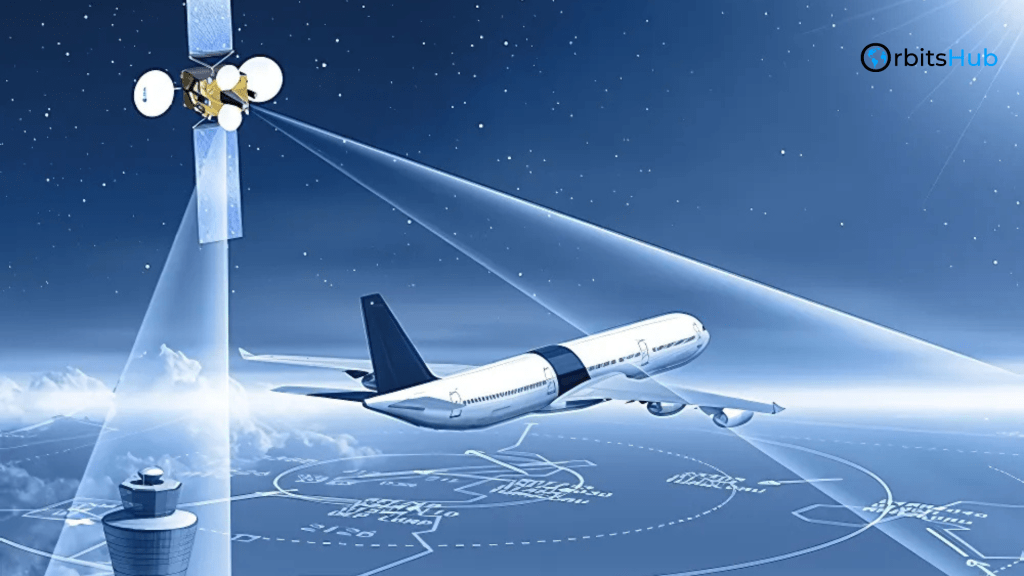
One of the key benefits of satellite navigation is its impact on fuel consumption. Traditional flight routes were often based on a network of waypoints and airways, which were determined by ground-based systems. These routes were not always the most direct, leading to extra fuel being burned during flight. With satellite navigation, airlines can now fly more direct routes, thanks to the global reach of satellites.
According to a study by the International Air Transport Association (IATA), airlines could save up to $5 billion annually by optimizing their routes using satellite technology. More direct flight paths mean shorter journey times, reduced fuel consumption, and ultimately lower costs for airlines.
Satellite Technology and Air Traffic Management
As air traffic continues to grow, managing flights in congested airspace becomes more challenging. Satellite technology has enabled more sophisticated and effective air traffic management. By providing a continuous flow of data, satellite systems help air traffic controllers monitor the real-time location of all aircraft within their designated airspace.
With satellite-based tracking, controllers can manage the flow of traffic more efficiently, avoiding bottlenecks and ensuring that aeroplanes are safely distanced from one another. This has led to fewer delays and a smoother, more predictable flying experience for passengers. For example, in Europe, the European Satellite Navigation Industry has created the European Geostationary Navigation Overlay Service (EGNOS) to improve the safety and accuracy of air navigation.
Satellite Communication for In-Flight Connectivity
In addition to navigation, satellite technology also powers in-flight connectivity, allowing passengers to stay connected while flying. Airlines offer Wi-Fi, phone services, and live streaming through satellites that beam internet and communication signals to aircraft. This satellite-based communication system enables passengers to check emails, browse the web, or even watch movies on long-haul flights.
For airlines, offering in-flight connectivity is an added value proposition, increasing passenger satisfaction and providing an opportunity to generate additional revenue through premium Wi-Fi services. But beyond just convenience, these satellite communication systems also allow airlines to monitor aircraft health and performance in real-time, providing vital information to ground crews before the plane lands.
Real-Time Data Transmission for Better Operations
Real-time satellite communication allows for continuous data exchange between the aeroplane and airline operations on the ground. This system is particularly beneficial for aircraft maintenance. By continuously monitoring an aeroplane’s systems during flight, airlines can predict maintenance needs and avoid unscheduled downtime. This reduces the chances of delays due to mechanical failure and ensures that aircraft are in optimal condition for every flight.
Furthermore, airlines can send software updates or configuration changes to aircraft systems via satellite, enhancing operational efficiency without needing to ground the plane. The ability to transmit data instantly means that airlines can resolve issues faster, improving the passenger experience and reducing costs associated with aircraft maintenance.
The Future of Satellite Technology in Aviation
Low Earth Orbit (LEO) Satellites
LEO satellites promise lower latency and faster data speeds, revolutionizing global communications for aviation.
Advanced Navigation Systems
Satellite-based navigation systems will become even more precise, improving flight safety and efficiency.
Fuel Efficiency Boost
Optimized routes based on satellite data can reduce fuel consumption, saving airlines billions of dollars annually.
In-Flight Communication
Enhanced satellite communication ensures real-time updates, improving the passenger and flight crew experience.
As we look to the future, satellite technology will continue to play an increasingly significant role in aviation. The demand for faster, more efficient travel will drive innovation, and satellite systems will be at the forefront of this transformation. In the coming years, we can expect more advanced satellite-based navigation systems, even greater fuel efficiency, and more sophisticated in-flight communication systems.
One exciting development is the emergence of Low Earth Orbit (LEO) satellites, which promise to revolutionize global communications. LEO satellites are placed much closer to Earth than traditional geostationary satellites, offering lower latency and faster data speeds. This will open up new possibilities for both navigation and communication in aviation, further enhancing safety and efficiency.
Addressing Challenges
While satellite technology has significantly improved aviation, it does come with its challenges. One of the main concerns is the potential for signal interference, especially in areas with poor satellite coverage or during adverse weather conditions. However, advancements in satellite technology are continuously addressing these issues, ensuring that air travel remains safe and reliable.
Another challenge lies in the cost of adopting satellite technology. Although the long-term benefits far outweigh the initial investment, some airlines, particularly smaller carriers, may face difficulties in integrating these systems into their fleets. Nevertheless, as satellite technology becomes more widespread and affordable, the barriers to entry are expected to decrease.
Frequently Asked Questions
1. How does satellite technology improve air traffic control?
Satellite technology tracks aircraft in real-time. This allows air traffic controllers to manage airspace more efficiently, avoid delays, and ensure safety.
2. Are satellite systems expensive for airlines to implement?
The initial cost of adopting satellite systems is high. However, the long-term benefits, such as fuel savings, enhanced safety, and operational efficiency, make it a valuable investment for airlines.


