The Allure of Catamaran Sailing
Picture yourself gliding across azure waters, the wind filling your sails as you navigate towards distant horizons. Catamarans embody this idyllic vision of ocean travel, combining the romance of traditional sailing with modern comfort and efficiency. Their wide beam provides ample deck space for sunbathing, socializing, or simply soaking in the panoramic views of your surroundings.
Why Catamarans for Ocean Adventures?
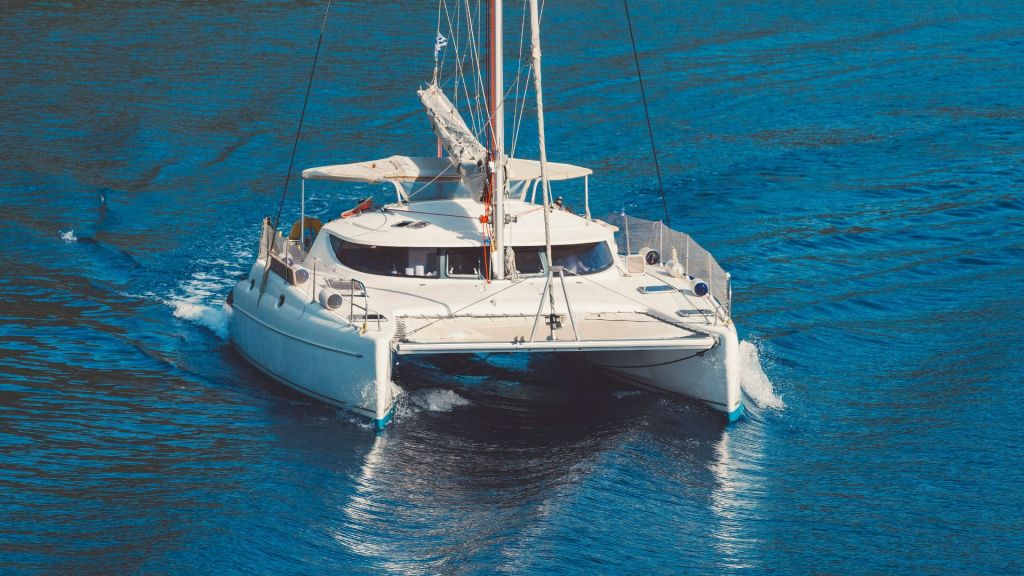
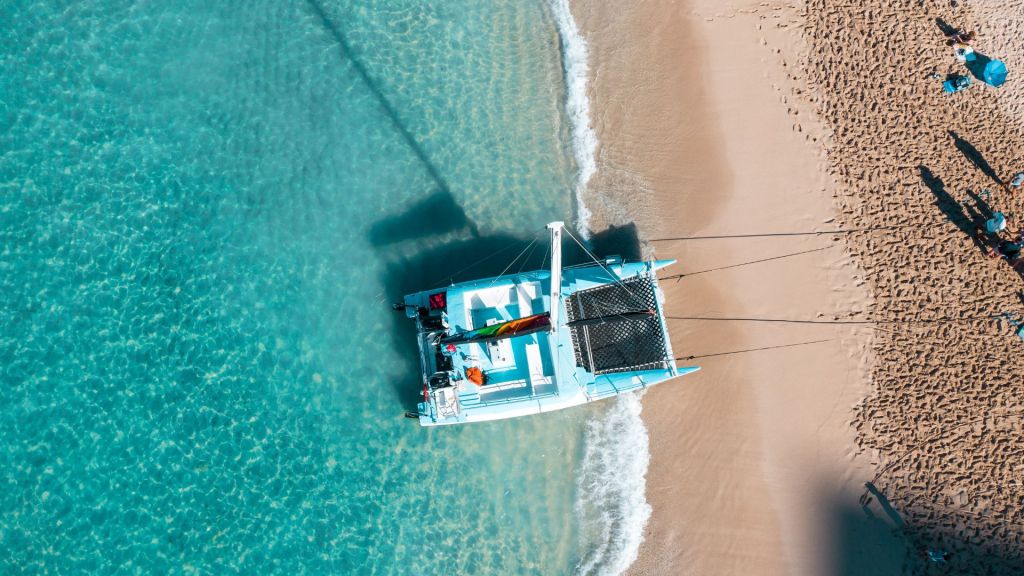
Catamarans boast several advantages over monohull sailboats when it comes to ocean voyages. Their inherent stability reduces the risk of seasickness, a common concern for many sailors. With a small draft, you can reach beaches and coves that deeper-keeled boats can’t.
Additionally, the spacious interior and deck areas create a luxurious living environment, transforming your ocean adventure into a floating paradise.
Key Factors in Choosing Your Catamaran
Size Matters: Determining the Right Length
When it comes to catamarans, size significantly impacts your sailing experience. Larger catamarans offer more living space and stability but may limit your marina options and increase operating costs. Smaller catamarans, while more maneuverable and economical, might feel cramped during extended voyages.
Consider your typical crew size, desired amenities, and intended sailing routes when determining the ideal length. A 40-45 foot catamaran often strikes a balance between comfort and manageability for most ocean adventurers.
Performance vs. Comfort: Striking the Balance
Catamarans fall along a spectrum from performance-oriented to comfort-focused designs. Performance catamarans feature sleeker hulls, taller masts, and larger sail areas, prioritizing speed and handling. Comfort-oriented catamarans emphasize spacious interiors, stable platforms, and ease of operation.
Your sailing style and preferences should guide this decision. Do you thrill at the prospect of swift passages and responsive helming? Or do you prioritize a relaxed, luxurious experience on the water? Many modern catamarans aim to blend both aspects, offering a compromise that satisfies a range of sailors.
Budget Considerations: New vs. Used Catamarans
Your budget plays a crucial role in catamaran selection. New catamarans come with warranties, the latest technologies, and the ability to customize features. However, they carry a premium price tag. Used catamarans offer significant cost savings but may require more maintenance and lack the newest innovations.
Carefully weigh the long-term costs, including maintenance, upgrades, and potential resale value. Sometimes, a well-maintained used catamaran can provide excellent value, allowing you to step into a higher-end model than your budget might allow if buying new.
Essential Features for Ocean-Going Catamarans
Hull Design and Construction
The hull design of your catamaran significantly influences its performance and seaworthiness. Look for hulls with fine entries to slice through waves efficiently and sufficient freeboard to keep decks dry in rough conditions. Construction materials matter too – fiberglass remains popular for its durability and ease of repair, while carbon fiber offers lightweight strength at a higher cost.
Pay attention to the bridgedeck clearance – the height between the water’s surface and the underside of the cabin connecting the two hulls. Higher clearance reduces slamming in choppy seas, enhancing comfort and reducing stress on the structure.
Sail Plan and Rigging
A well-designed sail plan ensures your catamaran performs optimally across various wind conditions. Look for a balanced distribution between mainsail and headsail areas. Furling systems for both main and headsails increase ease of handling, especially important for short-handed crews.
Consider additional downwind sails like spinnakers or code zeros for those long ocean passages. Modern innovations such as rigid wing masts or self-tacking jibs can further enhance sailing performance and ease of use.
Navigation and Safety Equipment
Ocean adventures demand robust navigation and safety systems. Essential equipment includes:
- GPS chartplotter with radar overlay
- AIS (Automatic Identification System) for tracking nearby vessels
- VHF radio with DSC (Digital Selective Calling) capability
- EPIRB (Emergency Position Indicating Radio Beacon)
- Life raft and personal flotation devices
- Comprehensive first aid kit
Invest in redundant systems for critical equipment to ensure safety in remote locations. Solar panels and a wind generator can provide sustainable power for extended cruising, reducing reliance on fossil fuels.
Interior Layout and Amenities
Cabin Configuration
The interior layout of your catamaran shapes your daily life at sea. Common configurations include:
- Owner’s version: One hull dedicated to a luxurious master suite
- Charter version: Multiple equally-sized cabins for maximum guest capacity
- Hybrid layouts: Balancing private and shared spaces
Consider your typical crew composition and how you plan to use the boat. If you’re primarily sailing as a couple with occasional guests, an owner’s version might suit you best. For those planning to host larger groups or charter their catamaran, a more balanced layout could prove ideal.
Galley and Living Spaces
A well-designed galley makes meal preparation a joy rather than a chore. Look for ample counter space, secure storage for provisions and cookware, and high-quality appliances suited for marine use. Refrigeration capacity becomes crucial for extended voyages, so assess your needs carefully.
The saloon serves as the heart of your floating home. Seek layouts that offer panoramic views, comfortable seating for your crew, and clever storage solutions. Many modern catamarans feature indoor-outdoor flow between the saloon and cockpit, expanding your living area and enhancing the overall experience.
Maintenance and Upkeep
Owning a catamaran comes with responsibilities beyond the thrill of sailing. Regular maintenance ensures your vessel remains seaworthy and retains its value. Consider the accessibility of systems for routine checks and repairs. Some key areas to assess include:
- Engine access and serviceability
- Ease of sail handling and rigging inspections
- Durability of deck fittings and hardware
- Quality of electrical and plumbing systems
Factor in the availability of parts and qualified technicians in your intended cruising grounds. Some brands offer better global support networks, which can prove invaluable during extended ocean adventures.
Legal and Insurance Considerations
Before setting sail on your ocean adventures, navigate the waters of legal requirements and insurance coverage. Different countries have varying regulations regarding vessel registration, safety equipment, and crew certifications. Research these thoroughly for your intended cruising areas.
Insurance for ocean-going catamarans can be complex and costly. Factors affecting premiums include:
- Vessel value and age
- Intended cruising grounds
- Skipper’s experience and qualifications
- Safety equipment onboard
Obtain quotes from multiple providers specializing in blue water cruising insurance. Consider joining sailing associations that offer group insurance schemes for potential cost savings.
Making the Final Decision
After considering all these factors, you’re well-equipped to choose the right catamaran for your ocean adventures. But how do you make that final decision? Here are some strategies:

- Test sail different models: Nothing beats hands-on experience. Arrange sea trials of your top contenders to feel how they handle.
- Attend boat shows: These events offer the chance to compare multiple catamarans side-by-side and speak with manufacturers directly.
- Connect with current owners: Join online forums or catamaran owner’s associations to gain real-world insights from those already living the dream.
- Consult a yacht broker: An experienced broker can provide valuable guidance, especially if you’re new to the world of catamarans.
- Trust your instincts: While objective factors are important, don’t discount the emotional connection. The right catamaran should excite you every time you step aboard.
Closing Thoughts
Choosing the right catamaran for ocean adventures intertwines practical considerations with dreams of freedom and exploration. By carefully evaluating factors like size, performance, budget, and essential features, you’ll identify the perfect vessel to carry you across the world’s oceans.
Remember, the journey of selecting your ideal catamaran is part of the adventure itself. Embrace the process, ask questions, and imagine the incredible experiences that await you on the high seas. With the right catamaran as your home on the water, you’re poised to create unforgettable memories and chart a course towards the horizon of your dreams. Fair winds and following seas await – it’s time to set sail on your catamaran adventure!