

Defining Your Solo Sailing Aspirations
Before diving into the technical aspects of day sailors, it’s crucial to clarify your personal goals and preferences. Self-reflection will help you decide what to do during the picking process.
Assessing Your Skill Level and Experience
Your sailing proficiency plays a pivotal role in determining the ideal day sailor for your needs. Are you a seasoned mariner with years of experience under your belt, or are you just starting your solo sailing journey? Be honest with yourself about your capabilities – this self-awareness will guide you towards a vessel that challenges you appropriately without overwhelming your skills.
For beginners, a forgiving day sailor with straightforward controls and stable handling characteristics might be the best fit. More experienced sailors might prefer a boat that offers greater performance and the ability to fine-tune sailing dynamics.
Identifying Your Preferred Sailing Environment
Where do you envision yourself sailing? The answer to this question significantly impacts your choice of day sailor. Coastal waters, inland lakes, and open seas each present unique challenges and opportunities.
If you’re drawn to coastal exploration, a day sailor with a shallow draft and good maneuverability will serve you well. For inland lake enthusiasts, a boat that’s easy to trailer and launch might take priority. Open water sailors should prioritize seaworthiness and stability in challenging conditions.
Key Features to Consider in a Day Sailor
Now that you’ve established your sailing goals, let’s examine the critical features that define a quality day sailor for solo trips.
Hull Design and Stability
The hull design of your day sailor directly influences its performance, stability, and comfort. For solo sailing, a hull that provides good initial stability can be a significant advantage, especially when you’re moving around the boat alone.
Look for a design that balances performance with ease of handling. A moderate beam (width) often provides a good compromise between stability and speed. Some popular hull designs for day sailors include:
- Full keel: Offers excellent directional stability and a smooth, comfortable ride.
- Fin keel: Provides better maneuverability and upwind performance.
- Lifting keel or centerboard: Allows for versatility in water depth and easy trailering.
Sail Plan and Rigging Simplicity
As a solo sailor, you’ll appreciate a sail plan that’s easy to manage single-handedly. A simple sloop rig with a mainsail and a single headsail is often the most practical choice. Consider features like:
- Roller furling for the headsail
- A well-designed mainsheet system
- Easily accessible halyards and control lines
Remember, the goal is to find a balance between performance and ease of use. A sail plan that you can handle confidently in various conditions will enhance your solo sailing experience.
Cockpit Layout and Ergonomics
The cockpit is your command center, and its design can make or break your solo sailing experience. Look for a layout that allows you to reach all essential controls from the helm position. Key factors to consider include:
- Tiller vs. wheel steering (tillers often provide better feel and responsiveness for smaller day sailors)
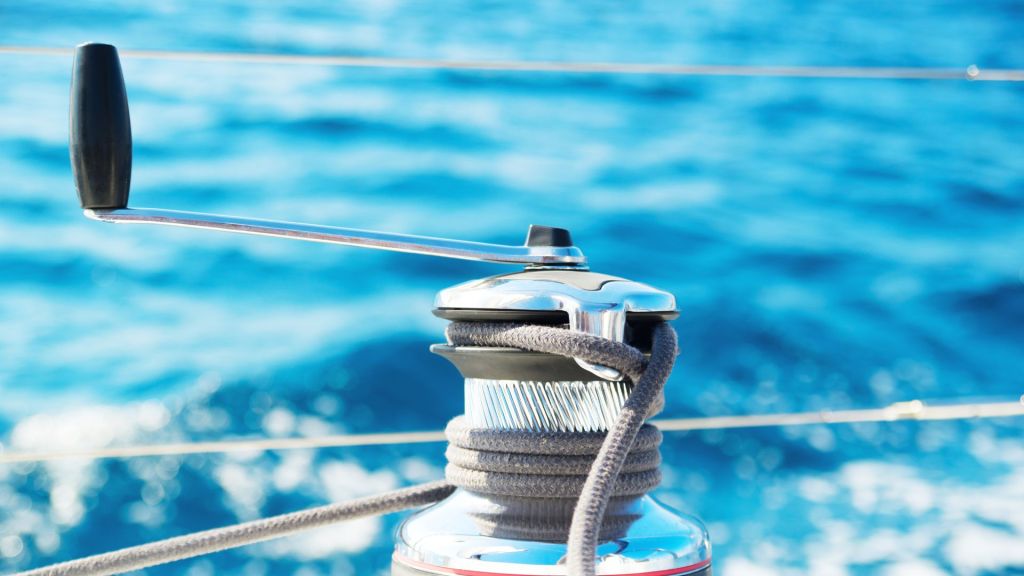
- Placement of winches and cleats
- Visibility from the helm
- Protection from the elements
A well-designed cockpit will help you maintain control of your boat while minimizing fatigue during long sailing sessions.
Size Matters: Choosing the Right Length
When it comes to day sailors, size isn’t just about bragging rights – it’s about finding the perfect balance between capability and manageability.
Maneuverability vs. Comfort
Smaller day sailors (typically under 20 feet) offer excellent maneuverability and are often easier to handle solo. They’re responsive, quick to accelerate, and can navigate tight spaces with ease. However, they may sacrifice some comfort and stability in rougher conditions.
Larger day sailors (20-25 feet) provide more stability, comfort, and carrying capacity. They can handle choppier waters more confidently and offer more space for relaxation. The trade-off is that they require more strength and skill to manage alone, especially when docking or in strong winds.
Trailering and Storage Considerations
If you plan to trailer your day sailor or have limited storage options, size becomes an even more critical factor. Smaller boats are generally easier to trailer, launch, and recover single-handedly. They also typically require less maintenance and are more affordable to store.
Larger day sailors may need a bigger car to pull them, and they can be harder to move around on land. However, they often offer features like a small cabin or enclosed head, which can extend your cruising range and comfort.
Performance Characteristics for Solo Sailing
A day sailor’s performance can significantly impact your enjoyment and safety on the water. Let’s examine two crucial aspects of sailing performance.
Upwind Capability and Pointing Ability
A day sailor’s ability to sail efficiently upwind can greatly expand your cruising options. Look for a boat with good pointing ability – the capacity to sail at tight angles to the wind. Features that contribute to strong upwind performance include:
- A efficient keel or centerboard design
- A balanced sail plan
- A hull shape that minimizes drag
Remember, as a solo sailor, you’ll want a boat that can make progress upwind without constant sail trimming or course adjustments.
Downwind Stability and Ease of Handling
While sailing downwind can be exhilarating, it also presents challenges for the solo sailor. A day sailor that tracks well and resists broaching (sudden, uncontrolled turning) will inspire confidence and reduce fatigue on long downwind runs.
Consider features like:
- A hull design that promotes directional stability
- A well-balanced rudder
- Options for easy headsail handling, such as a furling system or snuffer
Safety Features for the Solo Sailor
When you’re out on the water alone, safety becomes paramount. Your day sailor should incorporate features that enhance your security and peace of mind.
Self-Righting Capabilities
A key safety feature for any small sailboat, especially for solo sailing, is the ability to self-right after a capsize. Look for day sailors with:
- Positive stability (the tendency to return to an upright position)
- A weighted keel or centerboard
- Enclosed air chambers or foam flotation
These features can provide crucial seconds or minutes for you to recover in the event of a capsize.
Flotation and Unsinkability
Modern day sailors often incorporate built-in flotation to ensure the boat remains afloat even if swamped. In an emergency, this tool could save your life. Check for:
- Watertight compartments
- Built-in foam flotation
- Self-bailing cockpits
Remember, while these features enhance safety, they’re no substitute for good seamanship and proper safety equipment.
Comfort and Convenience Onboard
While performance and safety are crucial, don’t overlook the importance of comfort during your solo sailing adventures.
Seating and Relaxation Options
A comfortable seating arrangement can make long days on the water much more enjoyable. Look for:
- Ergonomically designed cockpit seats
- Options for reclining or stretching out
- Padding or cushions for key seating areas
Some day sailors even offer small cabin spaces for shelter or a quick nap between sailing sessions.
Storage for Personal Items and Safety Gear
Adequate storage is essential for keeping your personal items secure and your safety gear easily accessible. Consider:
- Watertight compartments for electronics and valuables
- Dedicated spaces for safety equipment like life jackets and flares
- Enough room for provisions, extra clothing, and any specialized gear you might need
A well-organized boat will enhance your efficiency and enjoyment as a solo sailor.
Budget Considerations and Value for Money
The amount you have will always affect the day sailor you choose. However, it’s essential to consider long-term value rather than just the initial purchase price.
New vs. Used Day Sailors
While a brand-new day sailor offers the latest features and a full warranty, don’t discount the value of a well-maintained used boat. Used day sailors can offer excellent value, especially if you’re willing to invest some time in minor repairs or upgrades.
When considering a used boat, pay close attention to:
- The condition of the hull and deck
- The state of the sails and rigging
- Any signs of water damage or structural issues
A professional survey can be a worthwhile investment for peace of mind when buying a used day sailor.
Long-Term Cost of Ownership
Remember to factor in ongoing costs when budgeting for your day sailor. Consider:
- Maintenance and repair costs
- Storage or mooring fees
- Insurance premiums
- Potential upgrade costs as your skills advance
A slightly higher upfront investment in a quality day sailor can often lead to lower long-term costs and a more satisfying sailing experience.
Top Day Sailor Models for Solo Adventures
While the perfect day sailor varies for each individual, several models have gained popularity among solo sailors for their combination of performance, safety, and ease of handling.
Analyzing Popular Choices in the Market
Here’s a brief overview of some highly regarded day sailors ideal for solo trips:
- Laser: A classic choice known for its simplicity and excellent performance.
- RS Aero: A modern, lightweight design that’s easy to rig and sail solo.
- Com-Pac Sun Cat: Offers a small cabin and great stability for its size.
- Catalina 22: A slightly larger option with more comfort features and good all-around performance.
- J/22: A sporty choice for more experienced solo sailors seeking performance.
Each of these models has its strengths and potential drawbacks. Research thoroughly and, if possible, arrange test sails to get a feel for how they handle.
Making Your Final Decision: A Personalized Approach
Picking the right day sailor for a trip by yourself is a very personal choice that needs careful thought based on your sailing skills, preferences, and surroundings. Take your time, learn as much as you can, and don’t be afraid to ask professional brokers or sailors who have done this before for help.
Remember that the best day sailor is the one who makes you want to drop the lines and go on adventures by yourself with joy and confidence. If you carefully think about the things this guide talks about, you’ll be able to make a choice that fits with your goals of sailing alone.
Your ideal day sailor awaits – happy sailing, and may fair winds fill your sails on all your solo journeys!


Comment(01)