In the vast tapestry of global commerce, a pivotal node often goes unnoticed by the average consumer—the transshipment port. These bustling maritime hubs are the unsung heroes of international trade, serving as the vital arteries through which the lifeblood of the global economy flows. Let’s embark on a journey to explore the fascinating world of transshipment ports and their crucial role in shaping our interconnected world.
The Pulse of Global Trade
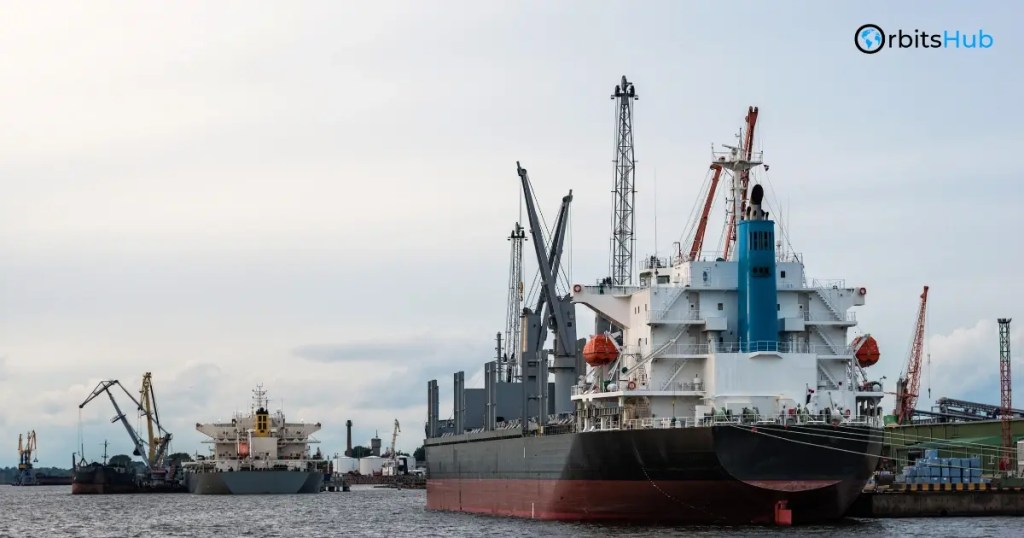
Picture this: A massive container ship laden with thousands of colorful metal boxes glides into a sprawling port. The vessel, longer than three football fields, has just completed a weeks-long journey across the Pacific Ocean. But this isn’t its final destination—far from it! This is merely a pit stop in its globe-spanning voyage.
Welcome to the world of transshipment ports!
These maritime marvels are the grand central stations of the shipping world. They’re where the big ocean-going vessels meet their smaller counterparts, where cargo is sorted, redistributed, and sent on its merry way to destinations far and wide. It’s a logistical dance of epic proportions, choreographed precisely and executed efficiently.
A Day in the Life of a Transshipment Port
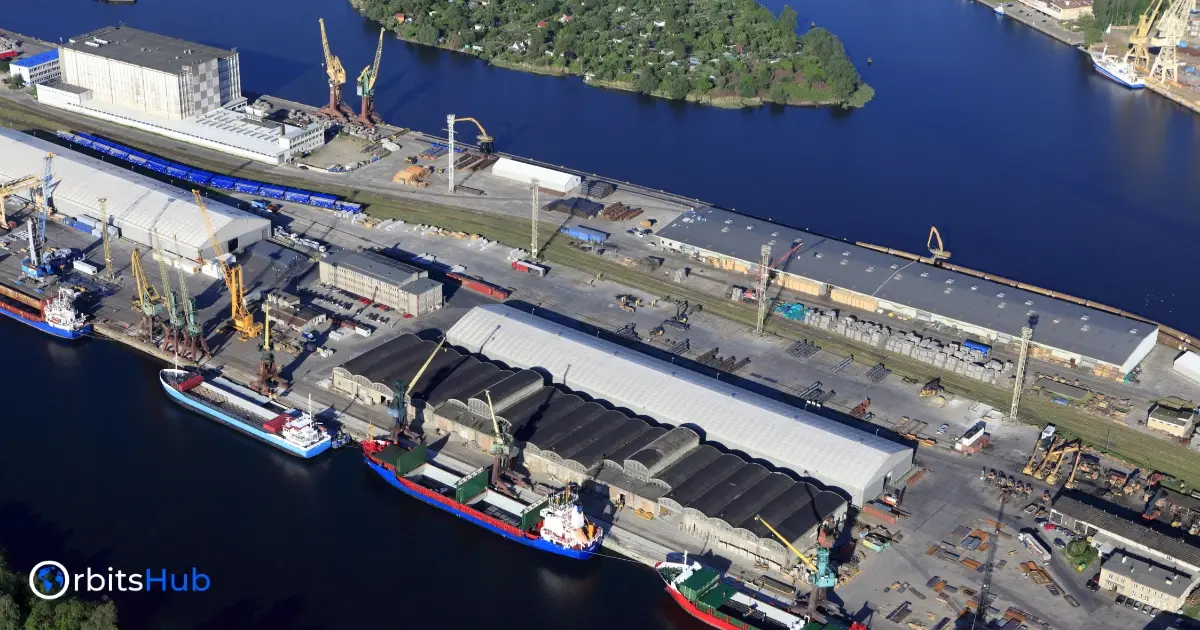
Dawn breaks over the port, and the day shift begins. Massive gantry cranes spring to life, their long arms reaching out to pluck containers from ships like toys in a giant’s playground. The air is filled with a cacophony of sounds—the deep rumble of ship engines, the staccato beeps of reversing trucks, and the metallic clang of stacked containers.
“It’s organized chaos,” chuckles Captain Maria Rodriguez, a veteran port operator with 20 years of experience. “But there’s a method to the madness. Every container, every ship, every movement is meticulously planned and tracked.”
Indeed, behind the scenes, a complex web of technology and human expertise ensures that each of the thousands of containers passing through the port daily reaches its intended destination. It’s a testament to human ingenuity and the power of global cooperation.
The Numbers Game
The scale of operations at major transshipment ports is nothing short of mind-boggling. Let’s crunch some numbers:
Port of Singapore Statistics
- The Port of Singapore, the world’s busiest transshipment hub, handled a staggering 37.5 million TEUs (Twenty-foot Equivalent Units) in 2022 alone!
- If laid end-to-end, the containers passing through Singapore in a single year would circle the Earth more than 5 times!
- The largest container ships can carry over 24,000 TEUs—equivalent to a freight train’s cargo capacity 44 miles long!
“These figures are not just numbers,” explains Dr. Amelia Chang, a maritime economist. “They represent millions of jobs, billions in economic value, and countless lives improved through global trade.”
The Ripple Effect

The impact of transshipment ports extends far beyond their physical boundaries. They are economic powerhouses, generating jobs and driving growth in their host countries and beyond.
Take the case of Dubai’s Jebel Ali Port. This transshipment behemoth has transformed the emirate from a sleepy fishing village to a global trade hub in just a few decades. Today, it supports over 150,000 jobs and contributes 21% to Dubai’s GDP!
However, these ports’ influence isn’t limited to economics. They play a crucial role in cultural exchange, facilitating the movement of goods, ideas, and innovations across borders.
Navigating Challenges
Of course, it’s not all smooth sailing in transshipment ports. These hubs face many challenges, from geopolitical tensions to environmental concerns.
The COVID-19 pandemic laid bare the vulnerabilities of global supply chains, causing unprecedented disruptions. “It was a wake-up call,” admits Rajesh Patel, a logistics consultant. “But it also spurred innovation. We’re now seeing increased automation and digitalization in ports worldwide.”
Climate change poses another significant threat. Rising sea levels and frequent extreme weather events could disrupt port operations. However, many ports are rising to the challenge, investing in sustainable technologies and resilient infrastructure.
The Future is Now
As we sail into the future, transshipment ports are evolving rapidly. Automation is the game’s name, with some ports already deploying autonomous vehicles and AI-powered management systems.
“The port of tomorrow will be smarter, greener, and more efficient,” predicts Dr. Chang. “We’re looking at a future where blockchain ensures transparency, where renewable energy powers operations, and where AI optimizes every aspect of port management.”
It’s an exciting time in the world of maritime trade. As these hubs of global commerce continue to evolve, they will undoubtedly play an even more crucial role in shaping our interconnected world.
Did You Know?
Some modern ports use underwater drones for hull inspections and maintenance, reducing the need for costly dry-docking.
Frequently Asked Questions
A: While all ports handle cargo, a transshipment port specializes in transferring cargo between different vessels. It acts as an intermediary stop where goods are unloaded from one ship and loaded onto another for their onward journey. Regular ports, on the other hand, primarily serve as start or end points for cargo journeys.
A: Many transshipment ports are at the forefront of green initiatives in the maritime industry. They’re investing in shore-to-ship power systems to reduce emissions from docked vessels, implementing energy-efficient lighting and equipment, and even exploring hydrogen fuel cells for port vehicles. Some ports are also involved in habitat restoration projects to offset their environmental impact.