
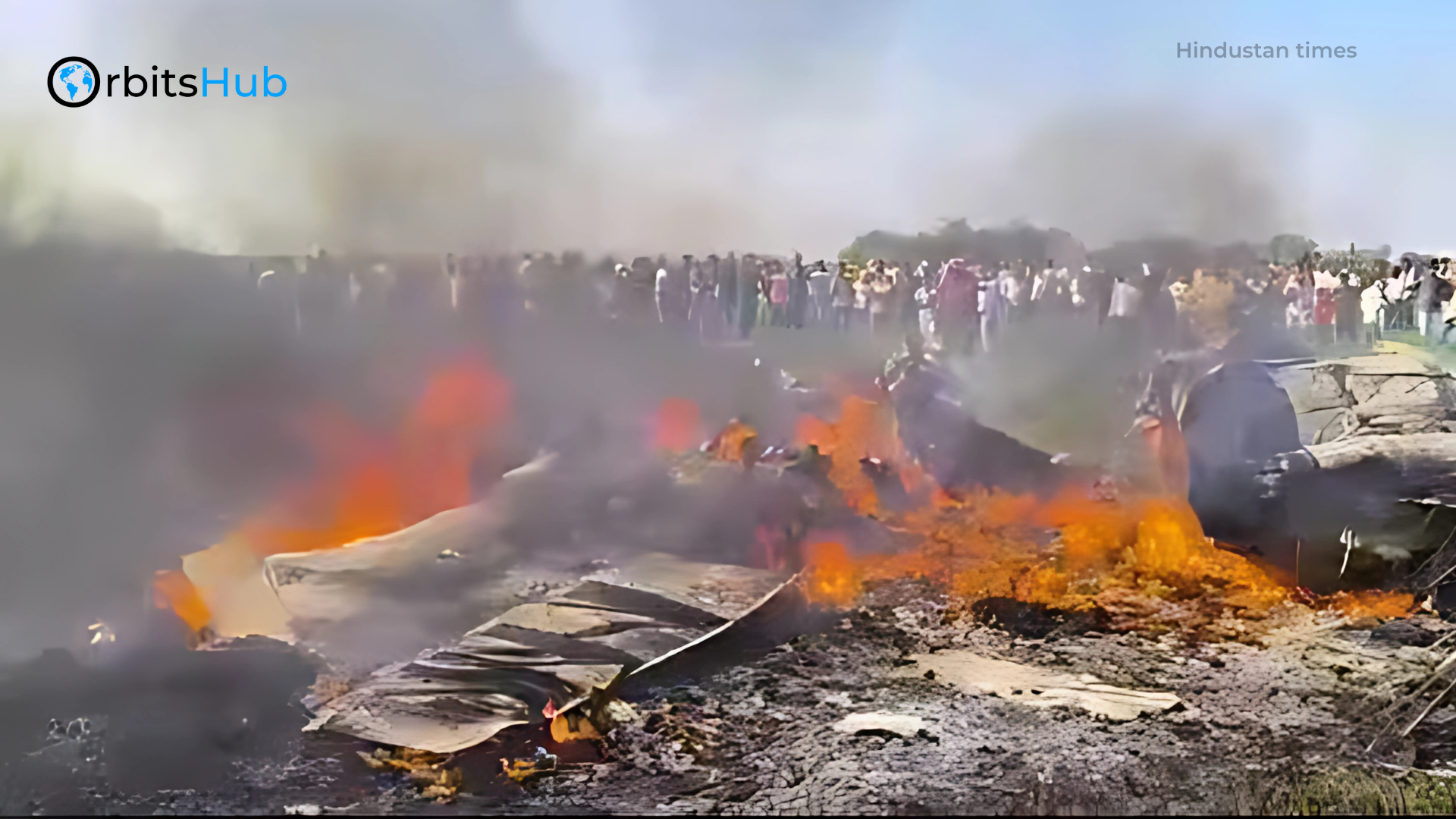
On a fateful day in Madhya Pradesh, the Indian Air Force (IAF) lost one of its esteemed Mirage 2000 aircraft in a tragic crash. The incident left the nation in shock, as this plane was known for its impeccable service and high-performance capabilities. The crash occurred during a routine training flight, but what led to the devastating loss remains a topic of investigation. This blog takes you through the incident, the background of the Mirage 2000, and the implications it has on the Indian Air Force’s future operations.
The Mirage 2000: A Glimpse Into the Past
The Mirage 2000 is not just an aircraft; it is a symbol of India’s air superiority. A fourth-generation multi-role fighter aircraft, the Mirage 2000 was designed and built by the French aviation company Dassault Aviation. India first inducted this aircraft in the 1980s, and it quickly became one of the most reliable and advanced fighter jets in the IAF fleet. Known for its versatility in air-to-air and air-to-ground combat, the Mirage 2000 played a vital role during the Kargil War in 1999, when it was instrumental in ensuring India’s air dominance.
Over the years, the Mirage 2000 has undergone numerous upgrades, making it capable of meeting modern-day challenges. It is known for its agility, high speed, and precision bombing capabilities, which have made it a preferred choice for IAF pilots. Despite its age, the aircraft continues to serve as a crucial part of India’s air force.
The Day of the Crash: What Happened?
On the tragic day of the crash, the Mirage 2000 was undergoing a routine training mission in the skies of Madhya Pradesh. While the aircraft was well within its operational limits, the unexpected happened. Early reports from the IAF stated that the aircraft was flying at an altitude typical for such training exercises when something went awry. According to initial investigations, the pilot faced issues with the aircraft’s control systems before the crash.
The Mirage 2000’s flight trajectory abruptly changed, and it crashed in a remote area of Madhya Pradesh, far from any residential settlements. Thankfully, no casualties were reported on the ground. However, the crash led to the loss of the life of a brave pilot who had been with the IAF for several years. The tragic loss left the IAF community and the nation grieving.
The Pilot’s Role and the Loss of a Hero
The pilot, identified as a highly skilled officer in the IAF, had extensive training and a wealth of experience. A few of the pilot’s fellow officers described him as a dedicated professional known for his quick thinking and tactical acumen. Losing such a trained and competent individual was a great loss not only to the IAF but also to the aviation community at large.
In military aviation, every mission is not just a test of the aircraft’s capabilities but also a test of the pilot’s abilities. The pilot’s experience and his familiarity with the Mirage 2000 were expected to ensure a safe mission. However, no amount of training or experience can predict the unpredictable nature of aviation. The pilot’s death brought home the harsh reality that the sky, though a symbol of freedom and power, can also be a dangerous place for those who brave it.
Investigations and Findings
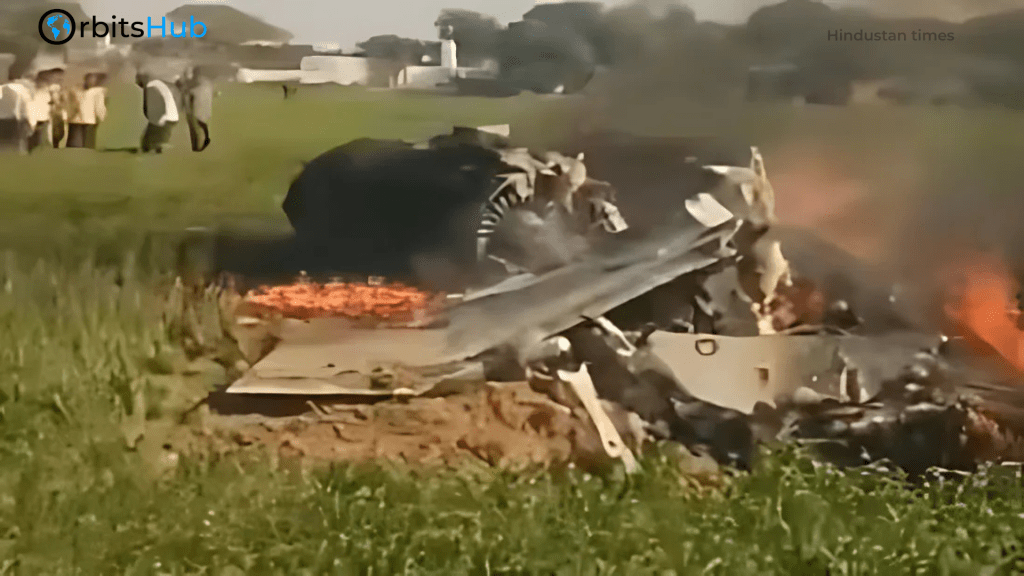
Following the crash, the IAF launched an immediate investigation to determine the cause of the crash. While the official findings are still pending, preliminary reports indicated that there may have been an issue with the aircraft’s electrical or hydraulic systems. These systems are vital for the control of the aircraft, and any malfunction can have catastrophic consequences, especially during high-speed manoeuvres.
The investigation also focuses on the aircraft’s maintenance records, as well as any external factors like weather conditions. However, the terrain in which the aircraft crashed was not overly challenging, and the conditions were reportedly clear at the time of the incident. Thus, the focus remains largely on the technical aspects of the aircraft’s operation.
In the wake of the incident, the IAF has taken several precautionary measures, including reviewing its maintenance and training protocols. The aim is to prevent similar incidents from occurring in the future, ensuring the safety of both pilots and civilians.
IAF’s Commitment to Safety and Innovation
The loss of an aircraft and a pilot is always a tragic event, but the IAF’s commitment to safety and innovation has been unwavering. Over the years, the IAF has consistently incorporated new technologies and safety measures to enhance the reliability and safety of its fleet. From state-of-the-art ejection seats to advanced flight control systems, the Indian Air Force (IAF) has made substantial investments in pilot safety.
In the case of the Mirage 2000 crash, the IAF’s focus will be on learning from this incident to make the necessary adjustments to enhance the aircraft’s safety features. It is crucial that the IAF continues to modernize its fleet while maintaining rigorous safety protocols, ensuring that such incidents become less frequent.
Impact on India’s Military Aviation
India’s military aviation sector is undergoing rapid transformation, and the crash of the Mirage 2000 highlights some of the challenges faced by an air force that relies heavily on ageing aircraft. Despite the recent upgrades to many of its fighter jets, the IAF is still dependent on several older platforms like the Mirage 2000 and MiG series. While these aircraft continue to serve well, the time has come for more modern alternatives.
The IAF has already begun the process of inducting more advanced fighter jets like the Rafale, which has become the backbone of India’s air power. The Rafale, being a more modern aircraft, is expected to take on many of the roles that were previously assigned to older platforms. This shift will help ensure that the IAF remains at the forefront of technological advancements in the aviation industry.
The Way Forward: Strengthening the IAF
Despite the setbacks, the Indian Air Force remains one of the most capable and efficient air forces in the world. The tragic Mirage 2000 crash only serves to underscore the importance of continuous innovation, rigorous training, and stringent safety standards. The IAF will continue to learn from its past and apply those lessons to ensure the safety and effectiveness of its personnel and fleet.
The crash has also brought attention to the critical role played by IAF pilots. They are not just operators of advanced machinery, but they also embody the spirit of bravery, dedication, and resilience. The IAF’s ability to maintain and improve upon its operational standards, even in the face of adversity, will continue to inspire future generations of aviators.
Frequently Asked Questions
1. What caused the Mirage 2000 crash in Madhya Pradesh?
The exact cause of the crash is still under investigation. Preliminary reports suggest that there may have been a technical malfunction, possibly related to the aircraft’s control systems.
2. How does the Mirage 2000 compare to other fighter jets in the IAF?
The Mirage 2000 is one of the most advanced fighter jets in the IAF, known for its agility, precision, and versatility. It has been a cornerstone of India’s air power for decades, though newer jets like the Rafale are gradually replacing it.


