The Indian Air Force (IAF) boasts a diverse fleet of aircraft, each playing a crucial role in safeguarding the nation’s airspace. The IL-76 aircraft, also known by its NATO reporting name “Candid,” is a workhorse among these, serving as a strategic airlifter for over four decades. This blog explores the IL-76’s history, capabilities, and significance within the IAF.
A Legacy of Strength: The IL-76’s Origins
Developed in the Soviet Union during the 1960s, the IL-76 was designed as a multi-purpose aircraft capable of both civilian and military operations. Its primary function was to transport heavy cargo to remote regions, particularly in Siberia. The design proved highly successful, offering exceptional payload capacity, range, and adaptability for various missions.
IAF’s Acquisition and Variants
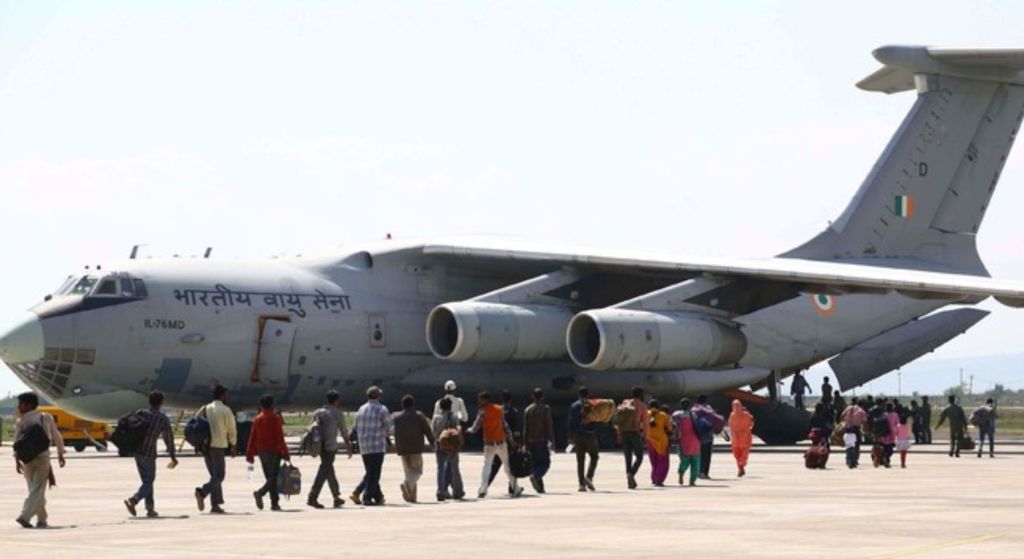
The IAF inducted the IL-76 into its fleet in the 1980s, recognizing its potential to bolster its strategic airlift capabilities. The initial acquisition included the IL-76MD variant, known for its powerful Soloviev D-30KP turbofan engines and robust cargo handling capabilities.
Later, the IAF diversified its IL-76 fleet by acquiring three IL-76MD aircraft equipped with the Phalcon Airborne Early Warning (AEW) system. These specialized variants, christened “Netra,” provide crucial aerial surveillance and command and control capabilities, significantly enhancing the IAF’s situational awareness.
Unveiling the IL-76’s Prowess: Key Features and Specifications
The IL-76’s success is due to its great features and specs, which make it a valuable tool for the IAF:
- Immense Cargo Capacity: The IL-76 boasts a remarkable maximum payload capacity of around 40 tonnes. This allows it to transport vast military equipment, including armoured vehicles, artillery guns, troops, and humanitarian supplies.
- Extended Range: With a maximum range exceeding 4,000 kilometres, the IL-76 can undertake long-distance missions without requiring refuelling, ensuring operational flexibility across vast geographical distances.
- Rugged Construction: Designed to operate from unpaved runways and withstand harsh weather conditions, the IL-76 demonstrates exceptional durability and adaptability, making it suitable for deployments in diverse terrains.
- Advanced Avionics: The IL-76 is equipped with advanced navigation and communication systems, enabling efficient and safe operation in various environments. While some older variants might have an analogue cockpit layout, modernization efforts are underway to integrate digital cockpits for enhanced situational awareness and crew efficiency.
The IL-76’s Enduring Role in the IAF
The IL-76 has played a vital role in numerous IAF operations over the years, including:
- Strategic troop deployment and logistics support: The aircraft’s immense cargo capacity allows for swiftly deploying troops and equipment to various locations within India and beyond.
- Disaster relief operations: During natural disasters like floods or earthquakes, the IL-76 serves as a critical lifeline, transporting essential supplies and personnel to affected regions.
- International peacekeeping missions: The IAF has actively participated in international peacekeeping missions, and the IL-76 has been instrumental in transporting troops and equipment to these missions.
The Future of the IL-76 in the IAF Fleet
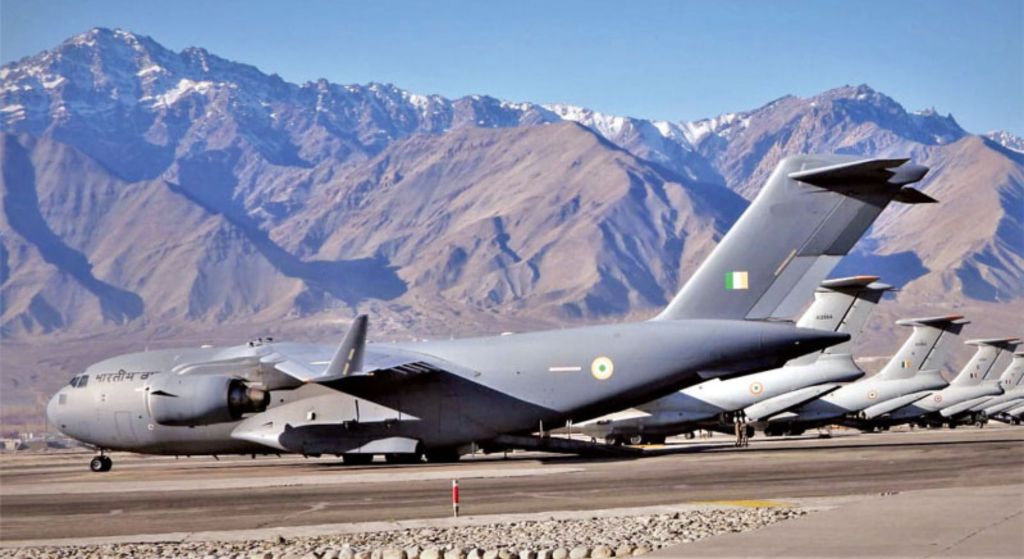
While the IL-76 has served the IAF exceptionally well, its age necessitates modernization efforts to ensure continued operational effectiveness. The IAF is exploring various options, including:
- Engine upgrades: Replacing the current engines with more fuel-efficient and modern alternatives would enhance the aircraft’s range, operational costs, and environmental footprint.
- Avionics modernization: Upgrading the advanced avionics suite with digital systems would improve situational awareness, navigation accuracy, and overall crew efficiency.
- Structural enhancements: Implementing structural upgrades can extend the operational life of the aircraft and ensure its continued airworthiness for years to come.
The IL-76 – A Symbol of IAF’s Strategic Prowess
The IL-76 aircraft has undoubtedly earned its place as a legendary aircraft within the IAF. Its remarkable capabilities and long history of service have made it an invaluable asset for national security and humanitarian missions. As the IAF looks towards the future, ongoing modernization efforts ensure that the IL-76 will continue to symbolize the IAF’s strategic airlift prowess for many years.
FAQ’s
1. What is an IL-76 aircraft?
The IL-76 is a versatile medium-range military transport aircraft developed by the Soviet Union. It’s designed for carrying cargo and troops and performing aerial refueling.
2. What are the primary roles of the IL-76 aircraft?
The IL-76 serves various roles, including strategic airlift, aerial refueling, firefighting, and humanitarian missions due to its large payload capacity and capability to operate in diverse environments.