India’s journey in naval aviation began shortly after its independence, with the nation recognizing the strategic importance of aircraft carriers in projecting power across its vast coastline and the Indian Ocean region. Over the years, the Indian Navy has operated several aircraft carriers, each playing a crucial role in shaping the country’s maritime strategy and defense capabilities.
Historical Overview
INS Vikrant (R11): The Pioneer
The story of Indian aircraft carriers begins with INS Vikrant (R11), India’s first aircraft carrier. Commissioned in 1961, this ship marked India’s entry into an elite group of nations capable of operating these floating air bases.
- Origin: Originally built as HMS Hercules for the British Royal Navy
- Displacement: 19,500 tons
- Length: 210 meters
- Aircraft capacity: Up to 23 aircraft
- Service: 1961-1997
- Notable operations: Played a crucial role in the 1971 Indo-Pakistani War
INS Vikrant served as the Indian Navy’s flagship for over thirty years. During its service, it operated various aircraft, including Hawker Sea Hawk fighters, Breguet Alizé anti-submarine aircraft, and Sea King helicopters. The carrier’s participation in the 1971 war, during which it effectively blockaded East Pakistan (now Bangladesh), demonstrated India’s growing naval prowess.
| Specification | Details |
|---|---|
| Propulsion | 4 steam turbines, 78,000 hp, powering 2 shafts |
| Speed | Up to 24 knots |
| Range | 6,500 nautical miles at 18 knots |
| Crew | 1,200 personnel, including air and technical crew |
INS Viraat (R22): The Longest-Serving Carrier
Following the success of INS Vikrant, India acquired INS Viraat, which would become the longest-serving aircraft carrier in the world.
- Origin: Former HMS Hermes of the Royal Navy
- Displacement: 28,700 tons
- Length: 226.5 meters
- Aircraft capacity: Up to 30 aircraft and helicopters
- Service: 1987-2017
- Notable feature: Operated the Sea Harrier jump jets
INS Viraat served the Indian Navy for an impressive 30 years, earning the nickname “Grand Old Lady.” During its service, it participated in numerous operations, including Operation Jupiter in 1989 (Indian Peace Keeping Force operations in Sri Lanka) and Operation Parakram in 2001-2002 (India-Pakistan standoff).
The carrier’s air wing typically consisted of Sea Harrier fighters, Sea King, and Chetak helicopters. INS Viraat’s long service life saw significant upgrades and refits, allowing it to remain a potent force well into the 21st century.
| Specification | Details |
|---|---|
| Propulsion | 4 General Electric LM2500+ gas turbines, generating 88 MW |
| Speed | Maximum speed of 28 knots |
| Range | 7,500 nautical miles at 18 knots |
| Crew | 1,700 personnel, including air wing |
Current Fleet
INS Vikramaditya (R33): The Modern Powerhouse
Currently serving as the Indian Navy’s flagship, INS Vikramaditya represents a significant leap in India’s carrier capabilities.
- Origin: Former Admiral Gorshkov of the Russian Navy
- Displacement: 45,400 tons
- Length: 284 meters
- Aircraft capacity: Over 30 aircraft and helicopters
- Commissioned: 2013
- Notable features:
- Ski-jump-assisted Short Take-Off But Arrested Recovery (STOBAR) system
- Modern sensors and combat management systems
INS Vikramaditya’s acquisition involved an extensive refit and modernization process. The carrier operates MiG-29K fighter jets, giving India a potent strike capability far from its shores. Its large size allows for extended operations, making it a true blue-water navy asset.
| Specification | Details |
|---|---|
| Propulsion | 8 turbo-pressurized boilers, 4 shafts, 180,000 hp |
| Speed | Over 30 knots |
| Range | 13,500 nautical miles (25,000 km) |
| Crew | 1,600 personnel (including air wing) |
INS Vikrant (R44): The Indigenous Pride

The commissioning of INS Vikrant in 2022 marked a historic moment for India – the operation of its first indigenously designed and built aircraft carrier.
- Origin: Designed and built in India
- Displacement: 45,000 tons
- Length: 262 meters
- Aircraft capacity: Up to 30 aircraft and helicopters
- Commissioned: 2022
- Notable features:
- STOBAR system
- Integrated Platform Management System
- Extensive use of Indigenous components
INS Vikrant represents a significant achievement for India’s shipbuilding and defense sectors. It incorporates advanced automation systems and can operate a mix of fixed-wing and rotary aircraft, including MiG-29K fighters, Kamov-31 helicopters, and indigenously developed naval Light Combat Aircraft (LCA).
| Specification | Details |
|---|---|
| Propulsion | 4 General Electric LM2500+ gas turbines, 88 MW |
| Speed | 28 knots |
| Range | 7,500 nautical miles |
| Crew | 1,700 personnel (including air wing) |
Strategic Importance
India’s aircraft carriers play a crucial role in the country’s maritime strategy, which is increasingly focused on the Indo-Pacific region. These floating air bases allow India to:
- Project Power: Carriers enable India to conduct air operations far from its shores, influencing events across the Indian Ocean and beyond.
- Protect Sea Lanes: With significant global trade passing through the Indian Ocean, carriers help secure vital shipping routes.
- Humanitarian Assistance: Carriers can quickly respond to natural disasters, providing aid and evacuation capabilities.
- Diplomatic Tool: Airports’ visits serve as powerful diplomatic gestures, strengthening ties with allies.
- Deterrence: The presence of a carrier battle group acts as a deterrent against potential adversaries.
Challenges and Future Plans
Despite the significant advancements, India faces several challenges in its aircraft carrier program:
- Operational Costs: Aircraft carriers are expensive to operate and maintain, requiring significant budgetary allocations.
- Air Wing Development: India is working on developing its naval fighter capabilities, including the maritime version of the indigenous Tejas fighter.
- Support Infrastructure: Expanding port facilities and support ships to fully utilize carrier capabilities.
- Regional Competition: Balancing career development with other naval priorities in the face of growing regional naval powers.
Future plans for the Indian Navy include:
- Third Carrier: Plans for a larger, more capable carrier (tentatively named INS Vishal) are under consideration.
- CATOBAR System: Future carriers may incorporate Catapult Assisted Take-Off But Arrested Recovery (CATOBAR) systems for improved aircraft performance.
- Electric Propulsion: Exploring advanced propulsion technologies for future carriers.
- Unmanned Systems: Integrating uncrewed aerial vehicles (UAVs) into carrier air wings.
Aircraft Operated
Indian carriers have operated or are planning to utilize a variety of aircraft:
- Fixed-wing Aircraft:
- Sea Hawk (historical)
- Sea Harrier (retired)
- MiG-29K (current)
- Naval LCA Tejas (under development)
- Helicopters:
- Sea King
- Kamov Ka-31
- HAL Dhruv
- Chetak
- Future Considerations:
- Advanced Medium Combat Aircraft (AMCA)
- Rafale-M (under evaluation)
Training and Readiness
Maintaining a skilled workforce for carrier operations is a continuous process. The Indian Navy conducts regular exercises to ensure readiness:
- Shore-based Training Facility: A replica of a carrier’s deck for pilot training.
- TROPEX: Theater-level readiness and operational exercise involving carrier battle groups.
- International Exercises: Participation in multinational naval exercises to enhance interoperability.
Economic Impact
The aircraft carrier program has significant economic implications:
- Shipbuilding Industry: Developing indigenous carriers has boosted the domestic shipbuilding sector.
- Technology Development: Spin-off technologies benefit various industries.
- Employment: Carriers create thousands of direct and indirect jobs.
- Regional Development: Shipyards and supporting industries contribute to regional economic growth.
Environmental Considerations
Modern carriers incorporate various environmental protection measures:
- Waste Management: Advanced systems for handling sewage and solid waste.
- Fuel Efficiency: Ongoing research into more efficient propulsion systems.
- Noise Reduction: Technologies to minimize underwater noise pollution.
Public Perception and Cultural Impact
Aircraft carriers hold a special place in the public imagination:
- National Pride: Seen as symbols of India’s growing technological prowess.
- Media Coverage: Carrier launches and major milestones receive significant media attention.
- Popular Culture: Featured in movies, books, and documentaries.
Carrier Air Wing Composition
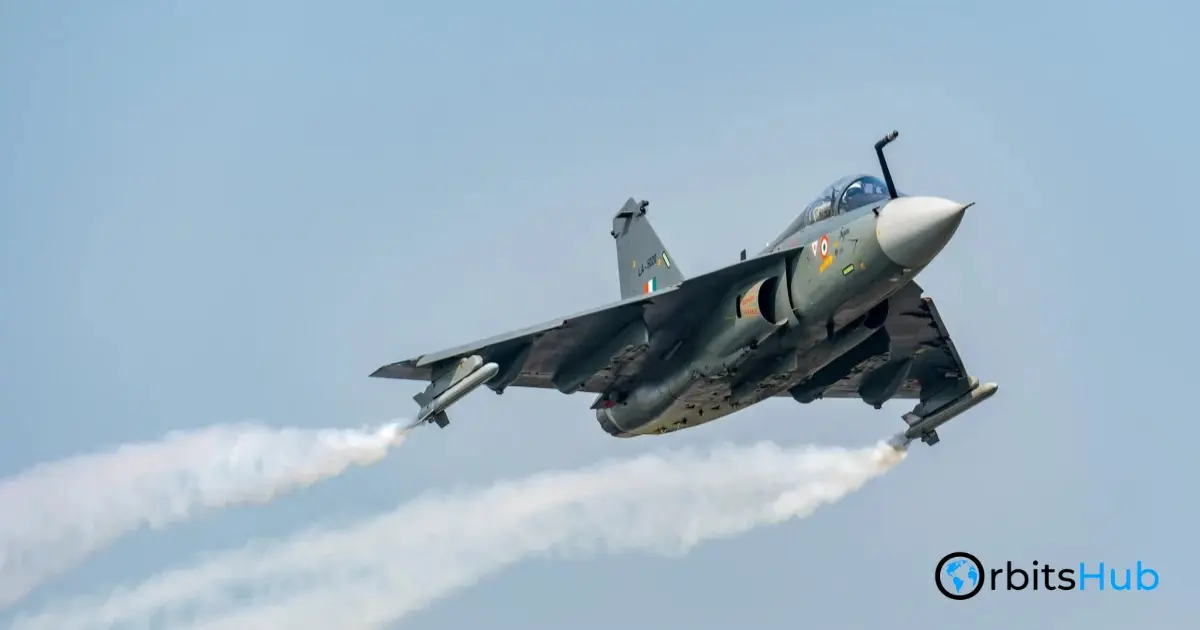
The effectiveness of an aircraft carrier largely depends on its air wing. Indian carriers typically carry a mix of the following:
- Fighter Aircraft: MiG-29K multirole fighters form the backbone of the air wing, capable of air superiority and strike missions.
- Airborne Early Warning (AEW): Ka-31 helicopters provide radar coverage and early warning capabilities.
- Anti-Submarine Warfare (ASW): Sea King and HAL Dhruv helicopters equipped for submarine detection and engagement.
- Utility Helicopters: Chetak helicopters for search and rescue, personnel transfer, and light utility roles.
- Future Additions: Naval variants of the LCA Tejas and,, the AMCA will enhance the carrier’s capabilities.
Carrier Battle Group
An aircraft carrier always operates with others. It is the centerpiece of a Carrier Battle Group (CBG), which typically includes:
- Escort Ships: Destroyers and frigates for air defense, anti-submarine warfare, and surface warfare.
- Replenishment Ships: To provide fuel, food, and other supplies for extended operations.
- Submarines: Often a nuclear-powered submarine for additional strike capability and protection.
This formation allows the carrier to project power while protected from various threats.
International Cooperation
India’s aircraft carrier program has benefited from international cooperation:
- Russia: Provided significant assistance with INS Vikramaditya and MiG-29K fighters.
- USA: Collaboration on aircraft launch and recovery systems for future carriers.
- France: Potential supplier of Rafale-M fighters and expertise in nuclear propulsion.
- UK: Historical connections through INS Viraat (former HMS Hermes) and ongoing naval exercises.
These partnerships have helped India gain expertise in carrier operations and related technologies.
Technological Advancements
Each new carrier has brought technological leaps:
- Propulsion: From steam turbines to gas turbines, with future carriers potentially using nuclear propulsion.
- Aircraft Launch Systems: Progressing from STOVL (Short Take-Off and Vertical Landing) to STOBAR, with CATOBAR under consideration.
- Combat Management Systems: Advanced integrated systems for better situational awareness and decision-making.
- Materials: Use of advanced materials for improved performance and reduced maintenance.
Geopolitical Significance
India’s aircraft carriers play a crucial role in the country’s geopolitical strategy:
- Indo-Pacific Focus: Carriers enable India to be a key player in the Indo-Pacific region.
- Countering China: The carrier program is partly a response to China’s growing naval capabilities.
- Regional Leadership: Carriers help establish India as a net security provider in the Indian Ocean Region.
- Global Aspirations: The ability to operate carriers signals India’s ambitions as a global power.
Frequently Asked Questions
Two – INS Vikramaditya and INS Vikrant.
It demonstrates technological capability, reduces dependence on foreign suppliers, and boosts the domestic economy.
They can operate fixed-wing fighters like MiG-29K and various helicopters for AEW, ASW, and utility roles.