It was 1971, a time of political unrest and separatist movements in the Indian subcontinent. During this turbulent era, an incident occurred that would go down in history as one of the most audacious acts of terrorism – the 1971 Indian Airlines hijacking . This article delves deep into the details of the hijacking. And exploring the planning, burning, and aftermath of this infamous event that had far-reaching consequences for both India and Pakistan.
Planning the Hijack
The seeds of the Indian Airlines hijack were sown in the early 1970s when Hashim Qureshi, a resident of Srinagar, Kashmir, joined the National Liberation Front (NLF), a militant organization fighting for Kashmiri independence. Inspired by the Dawson’s Field hijackings carried out by Palestinian militants, the NLF devised a plan to hijack an Indian Airlines aircraft to draw international attention to their cause. Qureshi and his cousin Ashraf Qureshi chose to execute the hijacking. Despite facing setbacks and arrests, the Qureshis remained determined and eventually hijacked an Indian Airlines aircraft named Ganga on January 30, 1971.
The Burning of Ganga

After successfully hijacking the aircraft, the hijackers landed at Lahore Airport in Pakistan, demanding the release of 36 NLF prisoners in Indian jails. However, under pressure from airport authorities, they released all the passengers and crew members. In a twist of fate, the hijackers realized their mistake – they had failed to recognize the importance of the passengers compared to the aircraft itself. The plane, Ganga, remained on the tarmac for eighty hours, during which Pakistani security personnel thoroughly searched it and removed any incriminating evidence. Finally, on the authorities’ advice, Hashim Qureshi decided to burn the aircraft, effectively destroying the physical evidence of the hijacking.
The Crackdown and Its Aftermath
The Indian government reacted swiftly to the hijacking, imposing a ban on overflights of Pakistani aircraft over Indian territory. This ban had significant implications, especially in the impending December 1971 war between India and Pakistan. Pakistan, in turn, charged the hijackers and other NLF militants with conspiracy, launching a crackdown that severely weakened the militant organization. One of the key figures in the movement, Amanullah Khan, moved to Britain and established a new organization called the Jammu and Kashmir Liberation Front. The crackdown also had repercussions for the Plebiscite Front, with its leader, Khan. And many of its members facing imprisonment and accusations of being Indian agents.
The Impact on Kashmir and Beyond
The aftermath of the Indian Airlines hijack had far-reaching consequences for the hijackers, the NLF, and the broader Kashmiri independence movement. The crackdown on the NLF weakened the militant organization, forcing its leaders to seek refuge in other countries. Amanullah Khan and Abdul Khaliq Ansari, prominent figures in the Plebiscite Front, moved to the UK, where they found support from the Mirpuri diaspora. Khan transformed the UK branch of the Plebiscite Front into a new organization called the Jammu and Kashmir Liberation Front, which would play a significant role in the Kashmir insurgency of the 1980s.
The hijacking incident also increased scrutiny and security measures at airports worldwide, prompting governments to implement stricter protocols to prevent similar occurrences.
In Popular Media
The Indian Airlines hijack of 1971 has captured the attention of filmmakers, with a movie titled “IB71” released in May 2023. Starring Vidyut Jammwal, the film brings the hijacking events to the silver screen, offering a cinematic interpretation of this historic incident.
The movie “IB71” delves into the tense atmosphere aboard the hijacked aircraft and the complexities faced by both the passengers and the authorities. With gripping performances and meticulous attention to detail, it immerses audiences in the harrowing ordeal and the extraordinary bravery displayed by those involved. “IB71” is a poignant reminder of a significant chapter in Indian aviation history, shedding light on resilience and heroism amidst adversity.
The Hijackers’ Demands and Negotiations
The hijacking of Indian Airlines Flight 1971 was a calculated move by the hijackers to make specific political and financial demands. Their primary goal was to draw attention to their cause and pressure the Indian government to comply.
- Demand for Prisoner Release: The hijackers demanded the release of certain political prisoners held by the Indian government. These individuals were associated with the insurgency movements in Kashmir and other regions, making their release a contentious issue.
- Monetary Demands: In addition to the release of prisoners, the hijackers also demanded a significant sum of money. This was intended to fund their organization’s activities and secure financial stability.
- Safe Passage: The hijackers insisted on safe passage to a neutral country where they could avoid prosecution. This demand was critical to the negotiations, as it involved coordinating with multiple international entities.
International Reactions and Diplomatic Tensions
The hijacking incident of 1971 sparked a wave of international reactions and heightened diplomatic tensions between India and other countries. The global community closely monitored the situation, which had far-reaching implications for international relations.
- Condemnation from Global Leaders: Several world leaders condemned the act of terrorism, expressing solidarity with India. This incident highlighted the global consensus against such violent acts.
- Diplomatic Pressure on Pakistan: Given the political context of the hijacking, India placed diplomatic pressure on Pakistan, accusing it of harboring and supporting the hijackers. This escalated tensions between the two countries.
- International Aviation Security Concerns: The incident also raised concerns about aviation security worldwide. Countries began re-evaluating their security protocols to prevent similar incidents in the future, leading to stricter regulations.
The Role of the Media During the Crisis
The media played a crucial role during the Indian Airlines hijacking, influencing public perception and the course of events. Their coverage was instrumental in disseminating information and shaping the narrative.
- Live Coverage and Updates: News outlets provided continuous live coverage of the hijacking, informing the public about the unfolding situation. This real-time reporting heightened the drama and urgency of the crisis.
- Sensationalism and Public Opinion: Some media channels were criticized for sensationalizing the event, potentially exacerbating public fear and anxiety. The portrayal of the hijackers and their demands varied significantly across different outlets.
- Media as a Negotiation Tool: The hijackers used the media to communicate their demands and intentions, understanding its power to sway public opinion and pressure the government. The media’s role as an intermediary was pivotal in the negotiation process.
Eyewitness Accounts and Survivor Stories
Eyewitness accounts and survivor stories from the hijacking of Indian Airlines Flight 1971 provide a deeply personal perspective on the traumatic event. These narratives shed light on the human aspect of the crisis beyond the political and strategic implications.
- Passengers’ Recollections: Many passengers have recounted their experiences, detailing the fear and uncertainty they felt during the hijacking. These personal stories provide a vivid picture of the atmosphere inside the aircraft.
- Crew Members’ Heroism: Accounts from the flight crew highlight their bravery and quick thinking, which helped manage the situation and keep the passengers calm. Their actions were critical in preventing further escalation.
- Long-term Psychological Impact: For many survivors, the hijacking left a lasting psychological impact. The trauma of the event affected their lives long after the incident, influencing their sense of security and trust in public transportation.
Long-Term Consequences for Indian Aviation Security
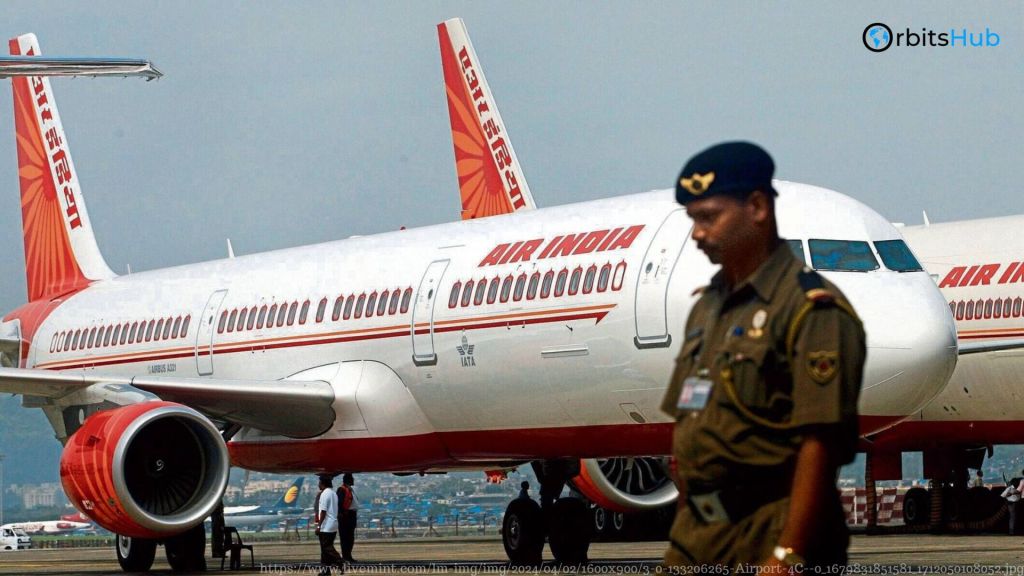
The 1971 hijacking had significant long-term consequences for Indian aviation security, prompting a comprehensive overhaul of safety protocols and procedures. The incident served as a wake-up call for the authorities and the industry.
- Enhanced Security Measures: In response to the hijacking, India implemented stricter security measures at airports, including more rigorous screening of passengers and luggage. These measures aimed to prevent future hijackings and ensure passenger safety.
- Creation of Specialized Task Forces: The government established specialized task forces and units trained to handle aviation-related security threats. These units are equipped to respond swiftly to incidents and neutralize threats.
- Legislative Changes and Policy Reforms: The incident also led to legislative changes and policy reforms to address gaps in the existing legal framework. These changes provided more precise guidelines for handling hijacking situations and prosecuting perpetrators.
The Indian Airlines hijack 1971 remains etched in the annals of history as a brazen act of terrorism. That had profound implications for the Kashmiri independence movement and the relationship between India and Pakistan. The planning, execution, and aftermath of the hijacking shed light on the complexities of the political landscape in the Indian subcontinent during that time. As we reflect on this incident, we are reminded of the lasting impact that acts of terrorism can have on individuals, communities, and nations.
Frequently Asked Questions
1. What were the 1971 Indian Airlines Hijackings?
The 1971 Indian Airlines Hijackings were incidents in which individuals with political motives hijacked multiple Indian Airlines flights.
2. How many hijackings took place in 1971?
There were a total of four hijackings that took place in 1971.
3. What was the motive behind the hijackings?
The hijackings were carried out by individuals seeking to release political prisoners and draw attention to their political cause.
4. Which airlines were affected by the hijackings?
Indian Airlines was the airline concerned by the hijackings in 1971.
5. Were there any casualties during the hijackings?
Yes, there were casualties during the hijackings. Both passengers and crew members lost their lives in these incidents.