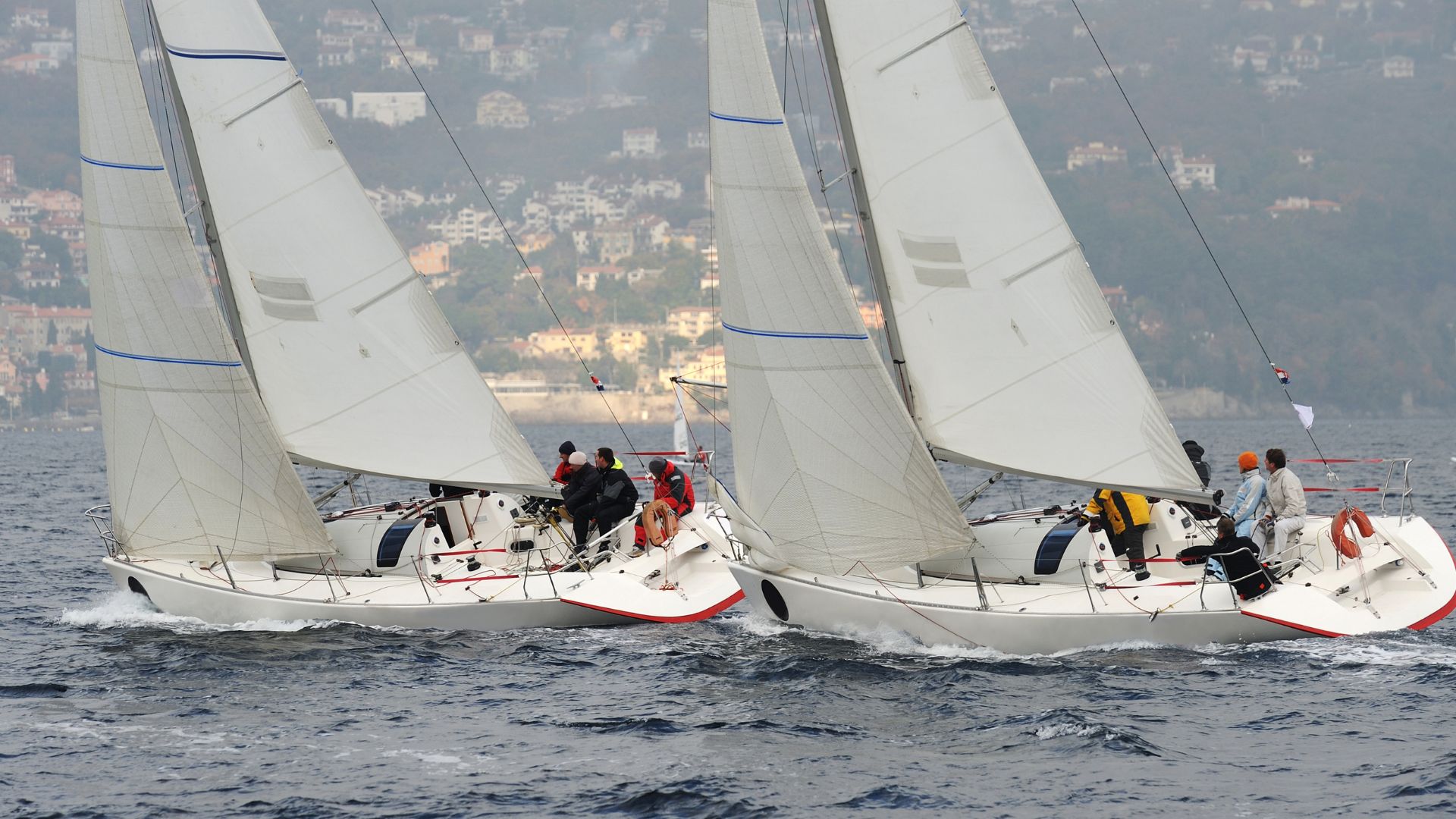
Racing sailboats epitomize the perfect blend of artistry and engineering, pushing the boundaries of nautical design to achieve unparalleled speed and efficiency on the water. This article unveils the cutting-edge innovations that have revolutionized the world of competitive sailing, showcasing how modern technology and ingenuity have transformed these vessels into marvels of maritime engineering.
The Evolution of Racing Sailboat Design

From Traditional to High-Tech: A Brief History
The journey of racing sailboats from traditional wooden craft to today’s high-tech speed machines is nothing short of remarkable. Early competitive sailing relied on sturdy, heavy boats with simple rigs. However, as the sport gained popularity and competitiveness intensified, designers began experimenting with lighter materials and more efficient hull shapes.
The introduction of
fiberglass in the mid-20th century marked a turning point, allowing for lighter, more uniform hulls. This paved the way for further innovations, leading to the carbon fiber and advanced composite materials we see in modern racing yachts.
Key Factors Driving Innovation in Sailboat Racing
What propels the constant evolution in racing sailboat design? The answer lies in the never-ending search for speed, efficiency, and an edge over the competition. Designers and engineers continually strive to:
- Minimize drag and resistance
- Maximize power from wind and waves
- Enhance stability and control
- Reduce overall weight without compromising strength
- Improve maneuverability in various conditions
These driving factors have led to groundbreaking innovations across all aspects of sailboat design, from hull shape to sail materials and beyond.
Hull Design: Slicing Through the Waves
Hydrofoil Technology: Lifting Boats Above the Water
One of the most dramatic innovations in recent years has been the introduction of hydrofoils to racing sailboats. These wing-like structures attached to the hull literally lift the boat out of the water as it gains speed, dramatically reducing drag and allowing for incredible velocities.
Hydrofoils have revolutionized classes like the America’s Cup, where boats now “fly” above the waves, reaching speeds that were once thought impossible for wind-powered vessels. The technology continues to evolve, with designers fine-tuning foil shapes and control systems to maximize efficiency and stability.
Multi-Hull Configurations: Stability Meets Speed
Another game-changing innovation in hull design has been the rise of multi-hull racing sailboats. Catamarans and trimarans offer increased stability and a larger sail area relative to their weight, translating to higher potential speeds.
Modern racing multi-hulls often incorporate hydrofoils, creating a best-of-both-worlds scenario that combines the stability of multiple hulls with the reduced drag of foiling technology. This combination has led to record-breaking performances in long-distance ocean races and short-course regattas alike.
Sail Technology: Harnessing the Wind’s Power
Advanced Materials: From Dacron to Carbon Fiber
The sails themselves have undergone a dramatic transformation over the years. Traditional materials like cotton and canvas gave way to synthetic fabrics such as Dacron, which offered improved durability and shape retention. Today’s cutting-edge racing sails utilize high-tech materials like carbon fiber and exotic laminates.
These advanced materials allow sail makers to create incredibly lightweight yet strong sails that maintain their optimal shape across a wide range of wind conditions. The result? More efficient power generation and better overall performance.
Sail Shapes and Configurations for Maximum Efficiency
Beyond materials, innovative sail shapes and configurations have emerged to extract every ounce of power from the wind. Wing sails, popularized in high-level competitions like the America’s Cup, provide a more aerodynamic profile that generates lift similar to an airplane wing.
Additionally, computer-aided design and wind tunnel testing have allowed sail makers to fine-tune sail shapes for specific conditions and boat types. This level of optimization ensures that racing sailboats can perform at their peak across various wind speeds and angles.
Keel and Rudder Innovations: Balancing Act at Sea

Canting Keels: Adjusting Balance on the Fly
Traditional fixed keels have given way to more dynamic solutions in the world of racing sailboats. Canting keels, which can pivot from side to side, allow sailors to adjust the boat’s balance and stability in response to changing conditions.
By shifting the keel’s weight to the windward side, these systems counteract the heeling force of the wind more effectively than a static keel. This innovation not only improves stability but also allows for a reduction in overall keel weight, contributing to better performance.
High-Aspect Rudders: Precision Control in Rough Waters
Rudder design has also seen significant advancements. High-aspect ratio rudders, characterized by their tall, narrow profile, provide improved control and efficiency. These rudders generate less drag while offering precise maneuverability, a crucial factor in tight racing situations.
Moreover, some cutting-edge designs incorporate twin rudders, which ensure that one rudder remains fully submerged even when the boat is heeling significantly. This configuration maintains steering control in challenging conditions, giving racers a competitive edge.
Cutting-Edge Materials in Racing Sailboat Construction
Carbon Fiber: The Lightweight Champion
Carbon fiber has revolutionized racing sailboat construction, offering an unmatched strength-to-weight ratio. This versatile material allows designers to create incredibly light yet robust structures, from hull sections to masts and booms.
The use of carbon fiber has enabled the construction of larger, more powerful boats that remain manageable and responsive. Its application extends beyond structural elements to components like winches and cleats, further reducing overall weight and improving performance.
Exotic Composites: Pushing the Boundaries of Strength and Weight
While carbon fiber dominates the racing sailboat scene, designers continually experiment with new composite materials to gain every possible advantage. These may include exotic fibers like aramid or ultra-high-molecular-weight polyethylene, often combined with advanced resins and core materials.
These cutting-edge composites allow for even greater weight reduction and improved stiffness in critical areas of the boat. As material science advances, we can expect to see even more innovative materials finding their way into racing sailboat construction.
Navigation and Control Systems: The Digital Revolution
GPS and Satellite Technology: Charting the Perfect Course
Gone are the days of navigation by sextant and paper charts. Modern racing sailboats rely on sophisticated GPS and satellite systems to plot the most efficient course and track their position with pinpoint accuracy.
These technologies allow racers to optimize their route based on real-time weather data and sea conditions. Integrated with other onboard systems, they provide crucial information for strategic decision-making during a race.
Onboard Computers and AI: Optimizing Performance in Real-Time
The digital revolution extends to performance optimization systems that leverage onboard computers and artificial intelligence. These systems constantly look at information from different monitors on the boat and give real-time feedback on everything from how to trim the sails to how the weight is distributed.
Some advanced systems even incorporate machine learning algorithms that can predict optimal settings based on historical data and current conditions. This level of data-driven decision-making gives modern racing teams a significant advantage in squeezing out every bit of performance from their vessels.
The Future of Racing Sailboat Design
Sustainable Technologies: Eco-Friendly Speed
As environmental concerns take center stage globally, the future of racing sailboat design is likely to focus increasingly on sustainable technologies. This could mean making materials that are better for the environment, making it easier to recycle composite structures, and adding green energy systems to ships to meet their power needs.
Some cutting-edge designs are already looking into how to use solar panels and regenerative systems to power gadgets on board. This would cut down on the need for fossil fuels even for backup power.
Automation and Remote Control: The Next Frontier
Looking further into the future, we may see increased automation in racing sailboats. While the human element will always be crucial in competitive sailing, advancements in artificial intelligence and robotics could lead to more automated systems for tasks like sail trimming and ballast control.
There’s even speculation about the potential for fully autonomous racing sailboats, competing in their own categories alongside traditional crewed races. Such developments could open up new avenues for testing and refining sailboat design without the limitations imposed by human physiology.
Closing Thoughts: The Endless Pursuit of Nautical Excellence
Racing ships is a great example of how creative people can be and how hard they will work to be the best. From hydrofoils that lift boats out of the water to AI-driven performance optimization systems, each innovation pushes the boundaries of what’s possible on the open sea.
As we look to the horizon, it’s clear that the evolution of racing sailboat design is far from over. New materials, technologies, and ideas continue to emerge, promising even faster, more efficient, and more sustainable vessels in the years to come.
For sailing enthusiasts and engineering aficionados alike, the future of racing sailboats holds endless fascination. It’s a field where the age-old art of harnessing the wind meets cutting-edge technology, creating a perfect storm of innovation that propels the sport forward at an exhilarating pace.
So, the next time you witness a sleek racing sailboat slicing through the waves or “flying” above the water on its hydrofoils, take a moment to appreciate the incredible feats of design and engineering that make such performances possible. In the world of racing sailboats, the pursuit of nautical excellence knows no bounds, and the horizon of innovation stretches as far as the eye can see.