The ARJ21 (Advanced Regional Jet for the 21st Century) is China’s first indigenously built regional jet to rival comparable planes made by long-standing aerospace behemoths. Produced by China’s Commercial Aircraft Corporation (COMAC), the ARJ21 represents China’s aspiration to become a significant participant in the international aviation industry. Examining the ARJ21’s design, this article brings attention to its distinctive features, technological advancements, and the influence it has had on regional aviation.
The Genesis of the ARJ21
Historical Context
China’s journey towards developing its regional jet began in the early 2000s. With a rapidly growing aviation market, the need for a domestically produced aircraft became apparent. The ARJ21 project was launched to reduce reliance on foreign aviation and to foster the growth of China’s aerospace industry.
Objectives and Goals
The primary goal of the ARJ21 was to create a competitive regional jet that could operate efficiently in various conditions across China and beyond. It aimed to serve regional routes that larger aircraft couldn’t economically cover, thus enhancing connectivity within the country and the region.
Design and Development

Aerodynamics and Structure
Wing Design
The ARJ21 features a high-aspect-ratio wing designed to improve fuel efficiency and reduce drag. The wing design incorporates advanced aerodynamics, allowing for better performance during takeoff and landing, which is crucial for regional operations.
Fuselage Construction
The ARJ21’s fuselage is built using a combination of aluminium alloys and composite materials. This hybrid construction method balances strength and weight, enhancing the aircraft’s overall efficiency.
Propulsion System
Engines
Reliable and fuel-efficient General Electric CF34-10A engines power the ARJ21. The engines are perfect for the ARJ21’s regional mission because they generate enough push for short to medium-distance flights.
Noise and EmARJ21’s
Incorporating modern engine technology, the ARJ21 meets stringent noise and emission standards. This makes it an environmentally friendly option for airlines looking to minimize their ecological footprint.
Avionics and Systems
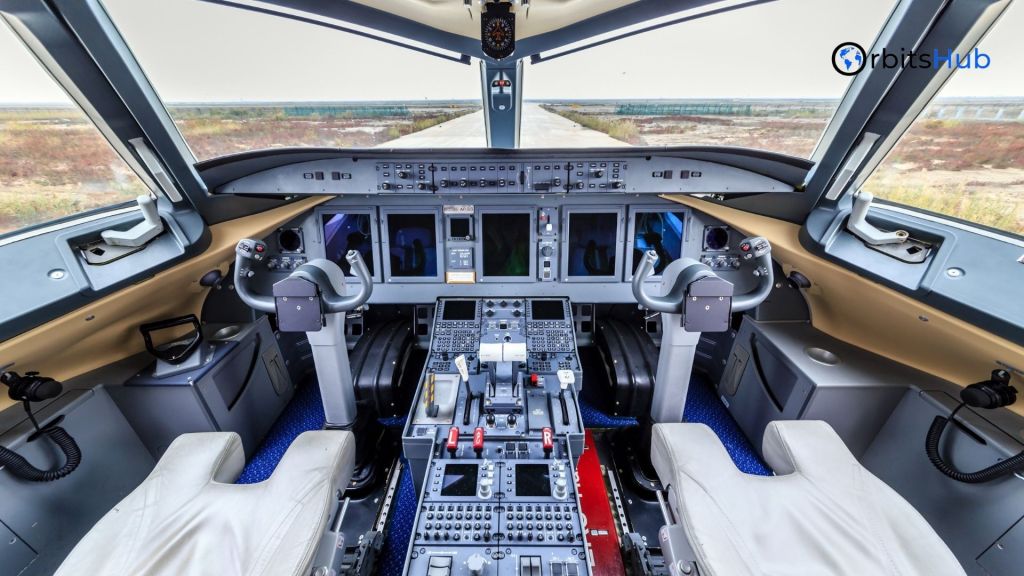
Cockpit Design
The ARJ21’s cockpit is equipped with stateARJ21’s-art avionics, featuring digital flight displays and advanced navigation systems. The layout enhances pilot situational awareness and reduces workload, contributing to safer and more efficient operations.
Flight Control Systems
The ARJ21 employs a fly-by-wire flight control system, which replaces traditional manual controls with electronic signals. This system improves handling characteristics and provides smoother, more precise aircraft control.
Interior and Comfort: ARJ21
Passenger Cabin
Seating Configuration
The ARJ21’s versatile seating configuration allows it to carry 70 to 90 passengers in a standard configuration. The cabin layout can be altered to suit the demands of various airlines, be it for business, economy, or a combination of the two.
Comfort Features
Passenger comfort is a critical consideration in the ARJ21’s design. The cabin has modern aARJ21’ss such as larger overhead bins, adjustable lighting, and enhanced climate control systems, ensuring a pleasant travel experience.
Accessibility
Boarding and Deplaning
The ARJ21 is designed for regional airports, featuring built-in stairs for boarding and deplaning at airports without jet bridges. This feature enhances operational flexibility, especially in remote or less developed regions.
Cargo Capacity
In addition to passenger comfort, the ARJ21 offers ample cargo space. The aircraft is designed to carry substantial luggage and freight, making it a versatile airline option.
Technological Innovations: ARJ21
Materials and Manufacturing
Composite Materials
Because of its use of composite materials, the ARJ21 is lighter than its competitors, which affects its performance and fuel economy. A long-lasting and sturdy airframe is a result of these materials as well.
Advanced Manufacturing Techniques
COMAC has employed advanced manufacturing techniques, such as precision machining and automated assembly processes, to produce the ARJ21. These methods ensure high-quality construction and reduce production costs.
Safety Systems
Enhanced Safety Features
The ARJ21 was designed with safety in mind. Modern fire suppression systems, improved emergency evacuation protocols, and redundant flight control systems are some of the advanced safety features of the aircraft.
Certification and Compliance
The ARJ21 has undergone rigorous testing and certification processes to meet international aviation standards. This includes extensive flight testing and compliance with safety regulations set by aviation authorities worldwide.
Market Impact and Competitiveness
Regional Aviation Market
Meeting Demand
The ARJ21 is strategically positioned to meet the growing demand for regional air travel, especially in emerging markets. Its design allows it to operate efficiently on short—to medium-haul routes, providing airlines with a cost-effective solution.
Competitive Edge
With its advanced design and cost advantages, the ARJ21 offers a competitive alternative to established regional jets like the Embraer E-Jet and Bombardier CRJ series. This has enabled COMAC to secure orders from various airlines, both domestically and internationally.
Economic and Strategic Significance
Boosting Domestic Industry
The development of the ARJ21 has significantly boosted China’s domestic aerospace. It has fostered technological advancements, created jobs, and reduced reliance on foreign aircraft manufacturers.
Global Ambitions
By successfully launching the ARJ21, China has demonstrated its capability to produce competitive commercial aircraft. This achievement paves the way for future projects, including larger aircraft like the C919 aircraft, further enhancing China’s position in the global market.
Environmental Considerations: ARJ21
Fuel Efficiency
The ARJ21’s design prioritizes fueARJ21’s science, crucial for reducing operating costs and environmental impact. The use of advanced aerodynamics and lightweight materials contributes to lower fuel consumption.
Emission Reduction
To meet global environmental regulations, the ARJ21 is engineered to minimize emissions. This makes it a good choice for airlines trying to lessen their environmental impact and meet regulatory requirements.
Challenges and Future Prospects
Initial Hurdles

Development Delays
The ARJ21 faced several challenges during its development, including delays and technical issues. These setbacks impacted its entry into the market but provided valuable lessons for future projects.
Market Acceptance
Gaining market acceptance was another challenge for the ARJ21. Competing against established players required building trust and proving the aircraft’s reliability and performance. Developments
Continuous Improvement
COMAC continues to work on improving the ARJ21, addressing feedback from operators and incorporating new technologies. Ongoing enhancements aim to increase efficiency, comfort, and overall performance.
Expansion Plans
Plans for the ARJ21 include expanding its presence in international markets. COMAC is actively seeking certification from global aviation authorities, which will open new opportunities for aircraft in various regions.
The ARJ21 represents a significant milestone in China’s aviation industry. China incorporates advanced technologies, prioritizes passenger comfort, and meets the demands of regional air travel. Despite initial challenges, the ARJ21 has carved out a niche in the competitive regional jet market. As COMAC continues to refine and improve the aircraft, the ARJ21 is poise to play a crucial role in the future of regional aviation.
For more insights into the ARJ21 and other advancements in aviation, could you explore our website orbitshub.com.