Aircraft simulators have evolved to become indispensable tools in aviation, offering a range of benefits from pilot training to recreational use. This article delves into the basics of aircraft simulators, their types, how they work, and their numerous advantages. By the end, you’ll understand why aircraft simulators are crucial in today’s aviation landscape.
The Basics of Aircraft Simulators
What is an Aircraft Simulator?
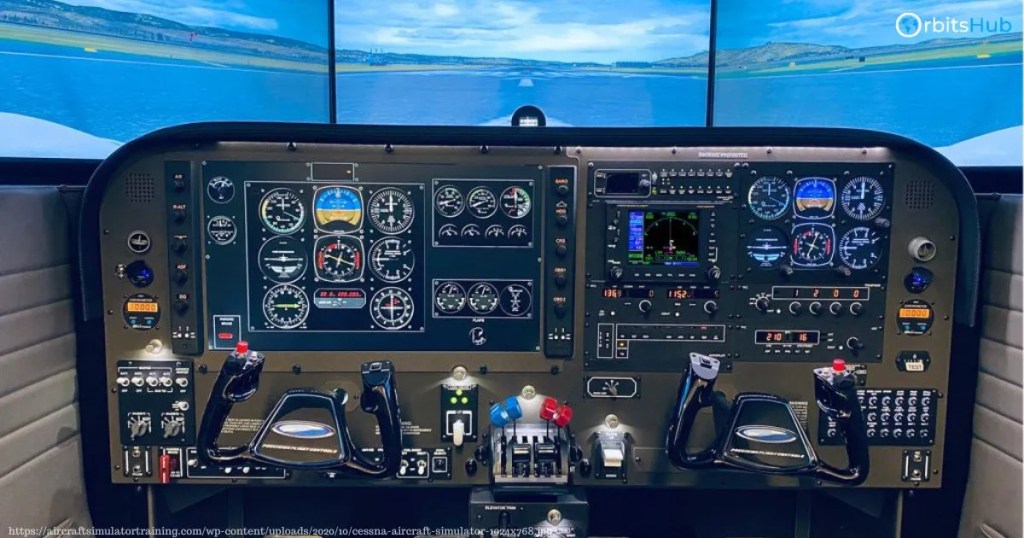
An aircraft simulator is a sophisticated system designed to replicate the piloting experience. This includes the software that emulates the flying environment and the hardware that mimics the aircraft’s controls. The main objective is to make it seem like you’re flying without taking off.
Historical Background
The concept of flight simulation dates back to the early 20th century, primarily for military training. One of the earliest examples is the Link Trainer, developed in 1929, which was a ground-based device that simulated aircraft movements. Over the decades, technological advancements have transformed these early mechanical systems into highly sophisticated simulators used in military and commercial aviation today.
Types of Aircraft Simulators
Professional vs. Home Simulators
- Professional Simulators: These are used by airlines and flight training schools. They are designed to meet stringent regulatory standards and provide an immersive training experience for pilots. Professional simulators include Full Flight Simulators (FFS) and Flight Training Devices (FTD).
- Home Simulators range from simple desktop software to elaborate setups with dedicated controls. They are popular among aviation enthusiasts and gamers. Home simulators may use platforms like Microsoft Flight Simulator or X-Plane, providing a wide range of aircraft and scenarios for users to explore.
VR Flight Simulators
Virtual Reality (VR) flight simulators offer a profoundly immersive experience by using VR headsets. A fully immersive perspective of the cockpit and environment is available to users, elevating the realism of the simulation. These are used both in professional training and for recreational purposes.
Cockpit and Fixed-Base Simulators
- Full Flight Simulators (FFS): These replicate specific aircraft models and offer full motion, mimicking accurate flight movements with six degrees of freedom.
- Fixed-Base Simulators: These accurately model the aircraft’s cockpit but do not have motion capabilities, making them more accessible and less expensive.
How Aircraft Simulators Work
Software Components
The software in a flight simulator is crucial for creating a realistic experience. It includes detailed models of aircraft physics, weather systems, and terrain data. This software ensures the simulator responds accurately to pilot inputs and environmental conditions.
Hardware Devices
The hardware includes yokes, throttle controls, pedal assemblies, and multiple display units. High-end simulators also incorporate motion platforms that provide real-time feedback based on simulated flight conditions.
Benefits of Aircraft Simulators
Pilot Training and Skill Development
Simulators are integral to pilot training, allowing pilots to safely practice maneuvers and handle hypothetical scenarios. This includes routine flying and emergency procedures, enhancing a pilot’s confidence and competence.
Recreational Use for Aviation Enthusiasts
Flight simulators offer enthusiasts the thrill of flying without leaving the ground. They provide an educational and entertaining experience, helping users understand aircraft operations and aviation principles.
Emergency Preparedness and Situational Awareness
Simulators prepare pilots for emergencies that cannot be safely replicated in actual flight. This training improves their situational awareness and decision-making skills under pressure.
Cost-Effectiveness and Safety
Using simulators reduces the need for actual flight hours, lowering training costs and minimizing risks. This makes pilot training more accessible and flexible.
FAA Approval and Logging Flight Hours
Many simulators are approved by the Federal Aviation Administration (FAA) as Advanced Aviation Training Devices (AATD), allowing pilots to log a portion of their required flight hours. This capability is precious for cost-effective training.
Environmental Impact
Flight simulators also contribute to reducing the environmental impact of pilot training. By minimizing the need for actual flight hours, simulators help reduce fuel consumption and emissions. This is an essential consideration in an increasingly focused industry on sustainability and environmental responsibility.
Technological Advancements
The field of flight simulation is continually evolving, with advancements in both hardware and software. Artificial intelligence (AI) and augmented reality (AR) are two innovations in simulators that make training even more realistic. These technologies provide more dynamic and responsive training environments, helping pilots adapt to various scenarios and conditions.
Career Advancement Opportunities
Simulators provide invaluable tools for pilots and aviation professionals to advance their careers. By using simulators to prepare for certification and licensing exams, pilots can improve their chances of success and advance their professional ranks. Simulators are crucial in the employment process because they enable airlines and other businesses to evaluate the skills and talents of prospective employees.
Customizable Training Programs
Simulators offer the flexibility to customize training programs to meet specific needs. This includes tailored scenarios for aircraft types, weather conditions, and emergencies. This customization ensures that pilots receive comprehensive training that addresses their unique requirements and challenges.
Aircraft simulators play a pivotal role in modern aviation, providing essential professional training and educational and recreational opportunities for enthusiasts. Their evolution from essential mechanical trainers to complex systems incorporating cutting-edge technology illustrates their significant impact on aviation safety and accessibility.
For those interested in further exploring the world of aircraft simulators or seeking professional consultancy services in aviation, contact Orbitshub. They offer expert guidance and comprehensive solutions tailored to meet your aviation needs.