
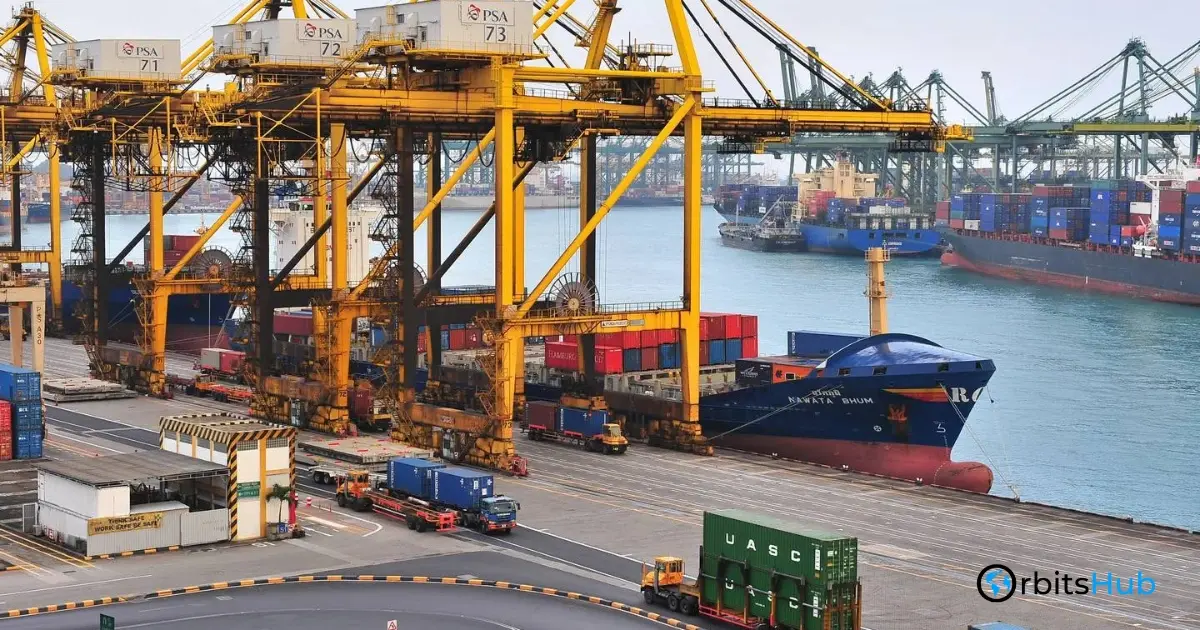
A Tale of Maritime Legacy
In the heart of the Arabian Gulf, where the scorching desert sands meet the calm, azure waters, lies a testament to human ingenuity and perseverance—Kuwait Port. This bustling harbor, a jewel in Kuwait’s crown, is a living narrative of how the East and West have intertwined their destinies through the ages. Let us embark on a journey through time and space, exploring the rich tapestry of history, culture, and commerce that is Kuwait Port.
The Dawn of a Maritime Marvel
Our story begins centuries ago, when the first Bedouin tribes recognized the strategic importance of this natural harbor. They saw a safe haven from the stormy seas and a gateway to the world beyond their desert home in its sheltered waters. As the sun rose over the tranquil waters each morning, these early settlers would launch their dhows—traditional wooden vessels that would become synonymous with Arabian maritime trade.
The port, then nothing more than a simple fishing village, slowly began to take shape. The coastline sprouted mud-brick houses, their occupants’ lives inextricably linked to the tides. The air was filled with the pungent aroma of fish and spices, a heady mixture that hinted at the port’s future as a hub of international trade.
The Pearl of the Gulf
As centuries passed, Kuwait Port’s reputation grew. From distant lands, merchants started to hear whispers of a bustling port where they could make fortunes. The pearl diving industry, which had long been the backbone of the local economy, reached new heights. Brave divers would brave the depths, risking their lives to search for the precious orbs that adorned the necks of royalty worldwide.
The port became a kaleidoscope of cultures. Indian traders haggled over silk and spices, Persian merchants showcased intricate carpets, and Bedouin traders brought in prized Arabian horses. The narrow alleys of the souk echoed with a cacophony of languages, each transaction a small act of diplomacy between East and West.
The Black Gold Revolution

The discovery of oil in the 20th century marked a turning point in Kuwait Port’s history. As black gold began to flow, so did wealth and modernization. The sleepy fishing village transformed almost overnight into a thriving metropolis. Steel and glass skyscrapers began to punctuate the skyline, starkly contrasting the traditional shows that still bobbed in the harbor.
Kuwait Port welcomed this shift enthusiastically. The port constructed new berths to accommodate the massive oil tankers that now frequented its waters. The port expanded, and its infrastructure grew more sophisticated each year. Yet, amidst this rapid development, it always stayed in touch with its roots. The old souk stood, a living museum where the past and present coexist in harmonious chaos.
A Phoenix Rising from the Ashes
The Gulf War tested the port’s resilience. As the conflict raged, Kuwait Port found itself on the front lines. Once teeming with merchant vessels, its waters now saw warships and battle scars. But like the mythical phoenix, Kuwait Port rose from the ashes of war, stronger and more determined than ever.
The post-war reconstruction saw an unprecedented boom in the port’s development. We built state-of-the-art facilities to handle the largest container ships of the modern era. The port symbolized Kuwait’s indomitable spirit, a testament to the nation’s ability to overcome adversity and emerge stronger.
A tapestry of cultures
Today, Kuwait Port stands as a microcosm of globalization. Walk along its bustling quays, and you’ll hear a symphony of languages—Arabic, English, Hindi, Tagalog, and many more. The port serves as a hub where diverse cultures not only intersect but also coexist and develop.
In the early morning hours, you might see Filipino sailors disembarking after a long voyage, their faces etched with both exhaustion and excitement. As the sun climbs, Indian business people in crisp suits hurry to meetings, briefcases in hand. By midday, tourists from all corners of the globe wander wide-eyed through the souk, bargaining for souvenirs and sampling local delicacies.
The Heartbeat of Commerce
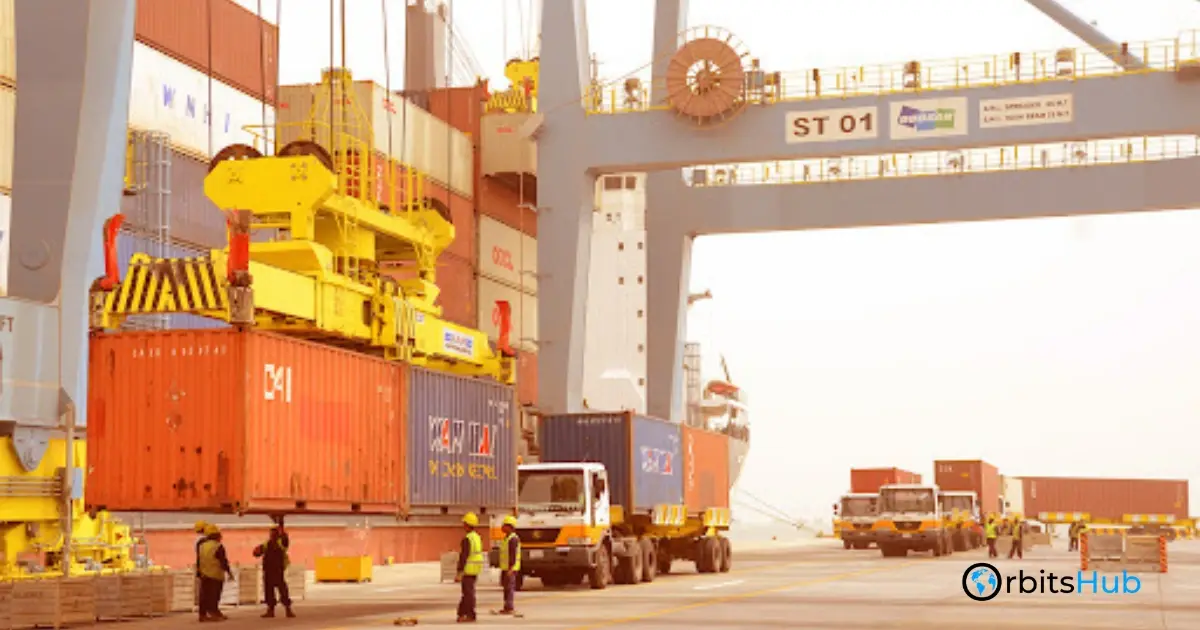
The port pulses with the rhythm of global trade. Massive cranes dance their mechanical ballet, loading and unloading containers with precision. Each box tells a story—perhaps it contains electronics from Japan destined for European markets or filled with American grain bound for Asian shores.
But it’s not just about the big players. Small-scale traders, continuing centuries-old traditions, still ply their wares. In hidden corners of the port, you might find a weathered captain of a dhow negotiating the price of his cargo of dates or textiles, much as his ancestors did generations ago.
A feast for the senses
As day turns to night, the port transforms. The harsh light of the midday sun gives way to a softer glow, and the air fills with the tantalizing aromas of street food. Follow your nose, and you might find yourself at a small stall where a skilled cook prepares matchbooks—a fragrant rice dish that embodies the flavors of Kuwait.
The sounds of the port change, too. The daytime din of machinery and commerce fades, replaced by the gentle lapping of waves against the hulls of ships and the distant calls to prayer from nearby mosques. It’s a reminder that, despite all the modernization, the port remains deeply connected to its cultural and spiritual roots.
Guardians of the Sea
Kuwait Port is not just about trade and culture; it’s also a vital guardian of the Arabian Gulf’s delicate marine ecosystem. The port authorities have implemented stringent environmental policies, ensuring the waters remain as pristine as possible despite the heavy maritime traffic.
Marine biologists work tirelessly to monitor the health of local fish populations and coral reefs. Their efforts have turned parts of the port into unexpected havens for aquatic life. It’s not uncommon to see dolphins playing in the wake of ships or to spot exotic fish darting among the pier pilings.
A Bridge Between Worlds
The most remarkable aspect of Kuwait Port is its role as a bridge between East and West. Here, age-old Eastern traditions of hospitality and trade meld seamlessly with Western technology and business practices. It’s a place where a traditional Arabic coffee ceremony might precede a high-tech presentation on the latest maritime logistics software.
This unique position has made Kuwait Port a key player in international diplomacy. The port has hosted numerous conferences and summits, bringing together leaders worldwide to discuss everything from trade agreements to climate change initiatives.
The Port’s Technological Revolution
In recent years, Kuwait Port has embraced cutting-edge technology to enhance its operations and maintain its competitive edge in the global maritime industry. Implementing advanced AI-driven logistics systems has revolutionized cargo handling, reducing wait times and increasing efficiency. Intelligent sensors and IoT devices now monitor everything from container temperatures to air quality, ensuring optimal conditions for goods and workers. This technological leap has improved the port’s performance and attracted tech-savvy businesses, further cementing Kuwait Port’s position as a forward-thinking hub of innovation.
A Beacon of Sustainability
Kuwait Port has also taken significant strides in environmental stewardship, recognizing its responsibility to protect the delicate ecosystem of the Arabian Gulf. The port has invested heavily in renewable energy sources, with solar panels now adorning many of its buildings and electric vehicles becoming a common sight on its premises. Ambitious projects to reduce plastic waste and promote biodiversity in the surrounding waters have garnered international acclaim. These efforts have transformed Kuwait Port into a model of sustainable maritime operations, inspiring ports worldwide to follow suit and proving that economic success and environmental responsibility can go hand in hand.
The future is on the horizon.

As we look to the future, Kuwait Port continues to evolve. Plans are underway for further expansion, with visions of creating a “smart port” that leverages artificial intelligence and automation to streamline operations further. Yet, there’s a conscious effort to balance this push toward the future with a deep respect for the past.
Preservation projects maintain the port’s historical areas, enabling future generations to emulate the merchants and sailors who came before them. It requires a delicate balance to honor the past while embracing the future. Still, Kuwait Port seems uniquely equipped to handle it..
A never-ending story
As we conclude our story of Kuwait Port, it serves as a reminder that this remarkable place’s story never truly ends. Each ship that docks, trader that strikes a deal, and tourist that marvels at the blend of old and new adds new chapters to the port’s ongoing narrative.
Kuwait Port is a living, breathing entity, constantly changing yet timeless. It’s a place where the romance of ancient maritime adventures meets the excitement of modern global commerce. This place truly unites East and West, not as rivals but as collaborators in a timeless dance of cultural exchange and human connection.
As the sun sets over the Arabian Gulf, painting the sky in orange and purple hues, the Kuwait Port lights twinkle. Another day ends, but the port never sleeps. The story constantly unfolds in this magical place where East meets West, inviting us to be part of its next exciting chapter.
Frequently Asked Questions
Nov-Apr (15-25°C). Summer (May-Oct) can exceed 40°C.
Souk Al-Mubarakiya, Kuwait Towers, Scientific Center, Dhow Harbor, Fish Market. Check local guidelines for visiting hours.


Comment(01)
Kuwait’s strategic location as a maritime hub is truly fascinating, and this article does a great job highlighting how its ports serve as a vital connection between East and West. The discussion on the modernization of Kuwait’s port infrastructure is particularly interesting—enhancing trade efficiency while preserving the region’s rich maritime heritage is no small feat.
Given Kuwait’s growing appeal as a travel and business destination, its coastal developments are also worth exploring. For instance, luxurious beachfront retreats like Argan Al Bidaa Resort offer visitors a blend of modern comfort and authentic Arabian hospitality, further boosting the country’s tourism sector. How do you see Kuwait balancing its economic expansion with sustainable coastal development in the coming years?