Few vessels command as much awe and power as Latest US aircraft carrier in naval warfare. These massive warships, equipped with advanced technologies and a formidable arsenal, are the backbone of the United States Navy. From their size and capabilities to their cutting-edge design and operational prowess, US aircraft carriers represent the pinnacle of naval engineering. In this article, we will delve into the world of these behemoths of the sea, exploring their history, features, and the latest advancements in the field.
Evolution of US Aircraft Carriers
The Origins: CV to CVN
The lineage of US aircraft carriers can be traced back to their origins in the “CV” series, which initially belonged to the cruiser group of designations. During and after World War II, these designations underwent modifications, giving rise to variations such as CVA (attack aircraft carrier), CVAN (nuclear-powered attack aircraft carrier), CVB (large aircraft carrier), CVL (small aircraft carrier), CVN (nuclear-powered aircraft carrier), CVS (anti-submarine warfare support aircraft carrier), and CVT (training aircraft carrier).
The Ford Class: A New Era
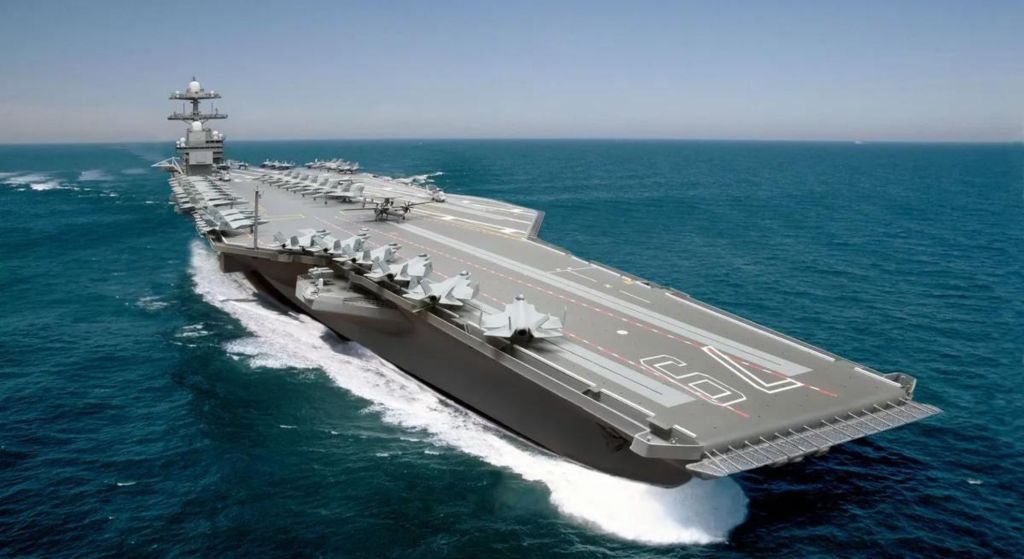
The US Navy’s latest generation of aircraft carriers, the Ford class, represents a significant leap forward in naval warfare capabilities. The lead ship in this class, the USS Gerald R. Ford (CVN 78), was officially commissioned in July 2017. It is the first of a new aircraft carrier breed that incorporates groundbreaking technologies and enhanced capabilities. The USS Gerald R. Ford and its successor, the USS John F. Kennedy (CVN 79), are poised to redefine the future of naval aviation.

USS Gerald R. Ford: The World’s Largest Aircraft Carrier
Unveiling the Giant
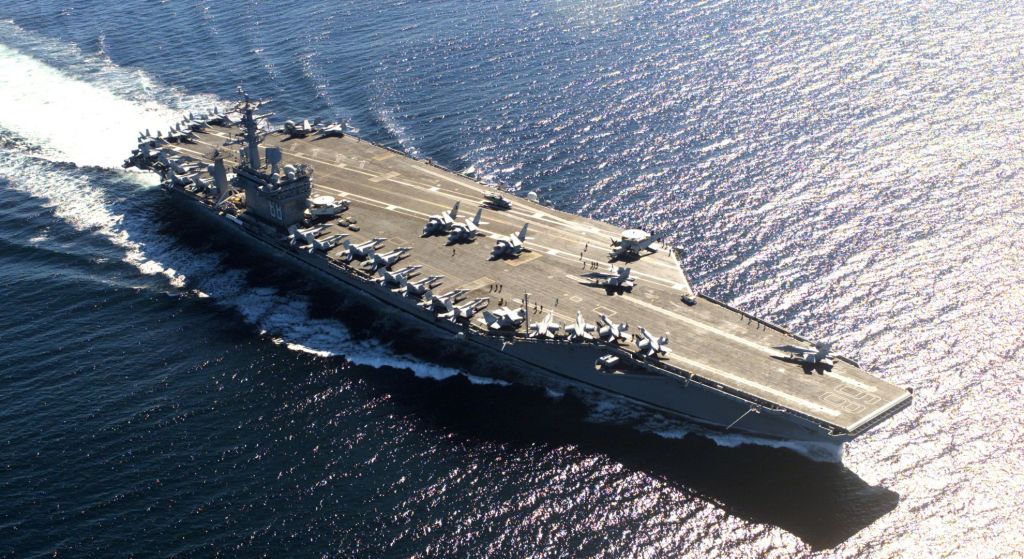
The USS Gerald R. Ford, the flagship of the Ford class, is an engineering marvel in every sense. With a length of 1,106 feet and a height of 250 feet, it is the largest aircraft carrier in the world. This behemoth of the seas houses a crew of over 5,000 sailors and can accommodate more than 75 military aircraft. Equipped with a nuclear reactor, the Ford can operate for over 20 years without refueling, providing unparalleled endurance and range.
Its advanced electromagnetic aircraft launch system (EMALS) and advanced arresting gear (AAG) revolutionize aircraft launching and recovery operations, enhancing efficiency and safety. Its cutting-edge systems and technology also enable seamless integration with the latest aircraft and weaponry, ensuring it remains at the forefront of naval power projection for decades.
Cutting-Edge Technologies
The Ford-class carriers incorporate state-of-the-art technologies that revolutionize naval aviation. One of the standout features is the Electromagnetic Aircraft Launch System (EMALS), which replaces the traditional steam catapults. This advanced system utilizes electromagnetic energy to launch aircraft, offering smoother acceleration, increased flexibility, and reduced maintenance requirements. Furthermore, the Ford-class carriers feature an Advanced Arresting Gear (AAG) system, which uses energy-absorbing water turbines to safely land aircraft.
Enhanced Capabilities
The USS Gerald R. Ford boasts a formidable arsenal of weapons and systems. It is equipped with Evolved Sea Sparrow Missiles (ESSMs), which provide medium-range surface-to-air defense against enemy aircraft and drones. Additionally, the carrier is armed with a Rolling Airframe Missile (RAM) system and the Mk-15 Phalanx Close-In Weapon System (CIWS) for targeting anti-ship missiles and engaging threats nearby. These capabilities, combined with advanced radars and communication systems, make the Ford a force to be reckoned with on the high seas.
USS John F. Kennedy: The Next Generation
Building on Success
Following in the footsteps of the USS Gerald R. Ford, the USS John F. Kennedy (CVN 79) is the second carrier in the Ford class. Currently under construction at Newport News Shipbuilding in Virginia, the USS John F. Kennedy is expected to be commissioned in 2020. This carrier will continue the legacy of its predecessor, incorporating the latest advancements in technology and operational capabilities.
The USS John F. Kennedy’s joining the U.S. Navy’s fleet symbolized a commitment to strength and sea readiness. This carrier stands as a symbol of America’s commitment to protecting its interests and friends around the globe; it was named after President John F. Kennedy, who was an ardent supporter of naval strength while in office. The USS John F. Kennedy is prepared to maintain international stability in the face of dynamic threats, thanks to its adaptable layout and powerful weapons system.
Power and Adaptability
Like the USS Gerald R. Ford, the USS John F. Kennedy will be powered by a nuclear reactor, providing it with unrivaled endurance and the ability to project global power. With its nine squadrons of aircraft, including fighters, helicopters, and intelligence, surveillance, and reconnaissance assets, the Kennedy will be a versatile platform capable of executing a wide range of missions. This adaptability allows the carrier to respond to evolving threats and contribute to maintaining global stability.
The Future of Naval Aviation
- Emerging tech: Drones, directed-energy weapons, and AI could transform operations.
- Cybersecurity: Protecting carrier systems from cyberattacks is crucial.
- Unmanned Carriers: Future carriers might operate with increased autonomy.
Evolving Strike Groups: New support vessels and unmanned systems could change carrier group composition.
The Future of US Aircraft Carriers
Advancements in Design and Technology
The Ford-class carriers represent a new chapter in the evolution of US aircraft carriers. Their cutting-edge technologies, improved operational efficiencies, and enhanced capabilities set the stage for future advancements in naval warfare. As technology progresses, future iterations of US aircraft carriers may incorporate even more advanced systems, such as autonomous drones, directed energy weapons, and enhanced stealth capabilities, further solidifying the US Navy’s sea dominance.

Maintaining Naval Supremacy
The presence of US aircraft carriers on the world’s oceans is a powerful deterrent and a symbol of American military might. These floating airbases project power, provide humanitarian aid and support allies in times of crisis. Their ability to launch aircraft and project force over vast distances makes them essential American foreign policy and national security instruments. As such, the US Navy continues to invest in developing new carriers to ensure its dominance in an ever-changing global landscape.
FAQ’s
1. What is a US aircraft carrier?
A US aircraft carrier is a large warship design to serve as a mobile airbase for military aircraft. These carriers are equip with a flight deck that allows the launching and landing of various aircraft types, including fighter jets, helicopters, and surveillance planes. They play a crucial role in projecting military power and supporting operations worldwide.
2. What is the latest US aircraft carrier?
The latest US aircraft carrier is the Gerald R Ford class. It is the largest and most technologically advanced aircraft carrier in the world. With a displacement of 100,000 tons, it features state-of-the-art systems, improved efficiency, and increased operational capabilities compared to previous classes. The Gerald R Ford class is equip with advance aircraft launching and recovery systems, enhance radar and sensor capabilities, and is power by nuclear reactors.
3. Which is the largest US aircraft carrier?
The largest US aircraft carrier is the Gerald R Ford class. With a displacement of 100,000 tons, it is the world’s largest aircraft carrier. The Gerald R Ford class carriers have an expansive flight deck and carry over 75 aircraft. They are power by advanced nuclear reactors, providing the necessary propulsion and electrical power for their operations.
4. How many US aircraft carriers are currently in service?
As of the current date, there are 11 US aircraft carrier in service. These carriers include the Nimitz class and Gerald R Ford class. With a displacement of 97,000 tons, the Nimitz class carriers are the second-largest US fleet undergoing mid-life refueling complex overhauls. The Gerald R. Ford-class carriers are the newest additions to the US Navy and are gradually replacing the Nimitz-class carriers.
5. What are the advantages of US aircraft carriers?
US aircraft carriers offer several advantages, including their ability to project power anywhere in the world, their versatility in carrying various aircraft types, and their role in supporting a wide range of military operations. They provide a mobile airbase that can be rapidly deploy, allowing for quick response times and flexibility in strategic operations. Additionally, their advanced systems and technologies offer enhanced capabilities for surveillance, defense, and strike missions, making them a vital asset for the US military.
US aircraft carriers stand as the epitome of naval engineering and military power. From their humble origins to the advanced Ford-class carriers, these behemoths of the seas have evolved to meet the challenges of modern warfare. With their massive size, cutting-edge technologies, and unparalleled capabilities, they are the vanguards of American naval supremacy. As the world changes, US aircraft carriers remain at the forefront of defense, projecting power and safeguarding global stability.