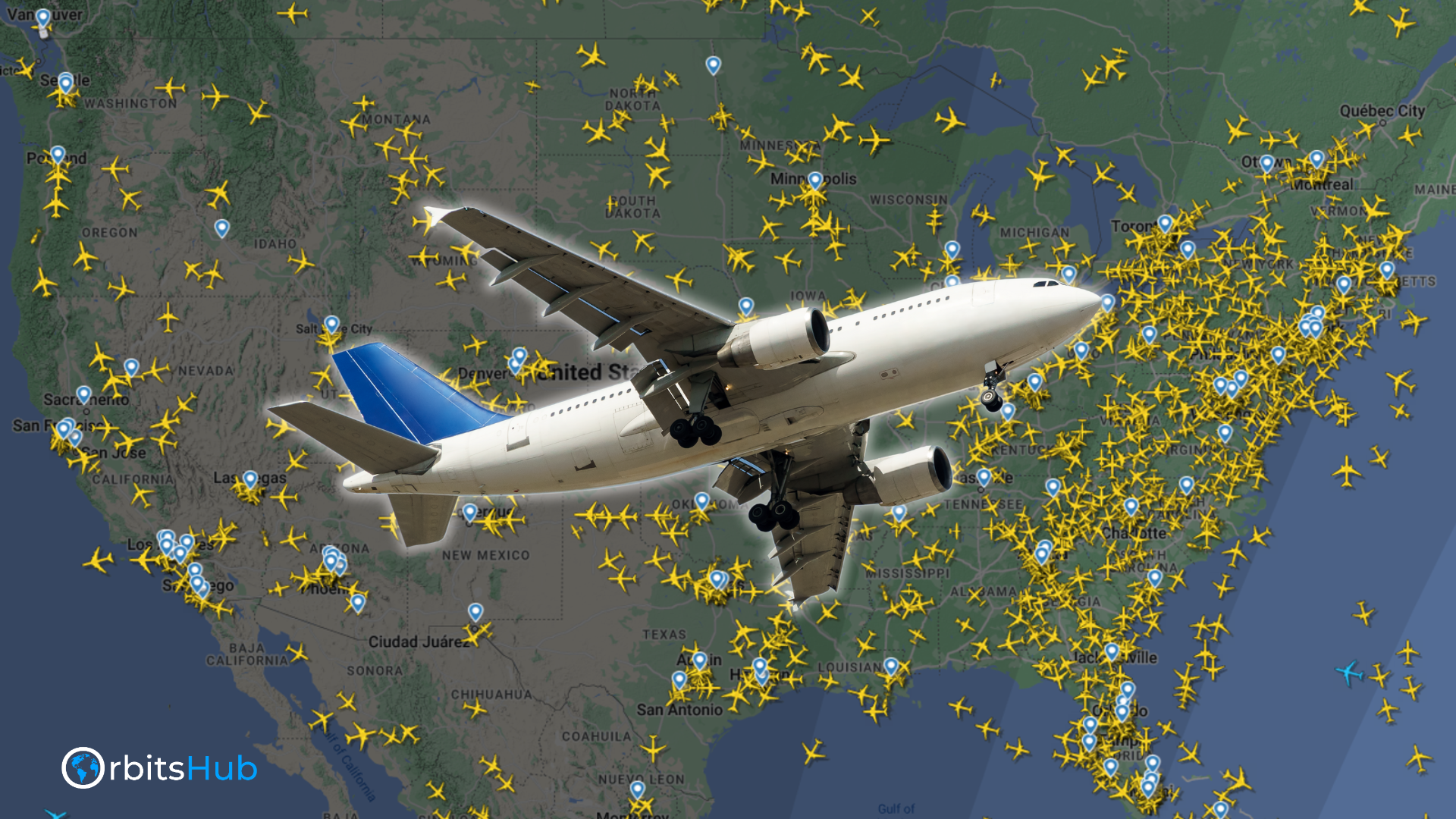
In today’s fast-paced world, staying updated on live aircraft traffic has become an essential part of travel planning, aviation monitoring, and even flight tracking for enthusiasts. Whether you’re a frequent flyer, an aviation professional, or someone just curious about the skies above, real-time aircraft tracking has revolutionized how we look at air traffic. With technological advancements and access to flight data, tracking live aircraft traffic has never been easier.
The Importance of Live Aircraft Traffic Tracking
Air traffic control is one of the most complex systems in the world. With thousands of flights in the air at any given time, the need for real-time monitoring is critical. Live aircraft traffic tracking provides a way to monitor the exact location of each aircraft in the sky, ensuring air traffic controllers can keep everything running smoothly and safely.
For passengers, real-time flight data offers insights into flight delays and estimated arrival times and helps to manage layovers and connecting flights effectively. For aviation professionals, it provides a deeper understanding of flight patterns, airport traffic, and even global trends in aviation.
How Live Aircraft Traffic Benefits Air Travel
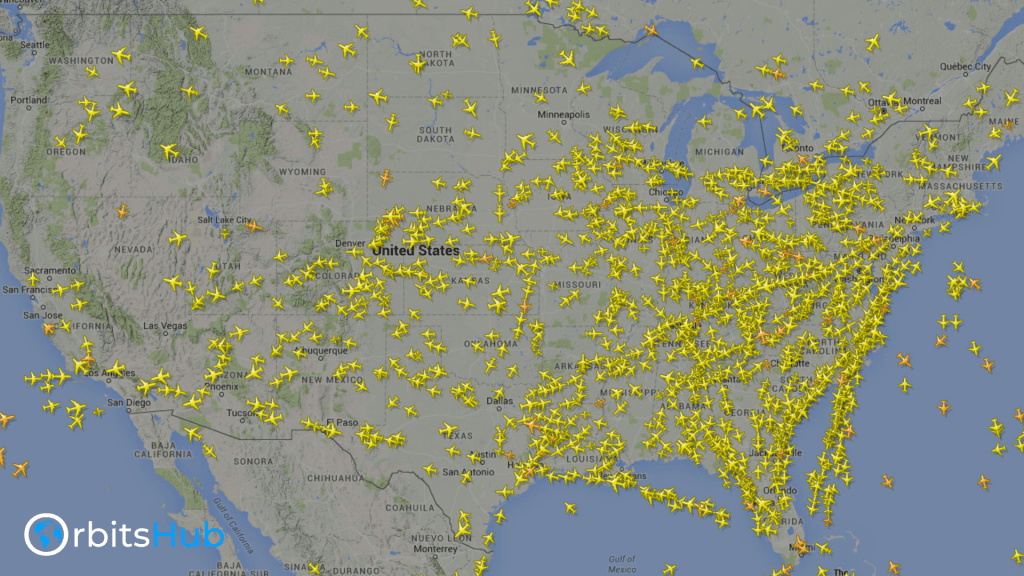
Tracking live aircraft traffic serves a vital purpose in modern air travel. Here are some key benefits:
- Real-Time Flight Updates: Whether you’re waiting to board a flight or picking someone up, real-time updates ensure you’re informed. For instance, if a flight is delayed, you’ll know immediately, allowing you to adjust your schedule accordingly.
- Safety and Security: Live tracking helps air traffic controllers maintain safe distances between aircraft. This helps to prevent accidents and maintain orderly air traffic, especially when multiple flights are passing through crowded airspace.
- Global Flight Awareness: For aviation enthusiasts, live aircraft tracking provides an opportunity to follow the movements of planes from across the globe. From private jets to commercial flights, you can observe real-time data and learn about aviation trends.
- Flight Routing and Weather Monitoring: Airlines can monitor live traffic to adjust routes in response to unexpected weather conditions or air traffic congestion. This allows airlines to ensure the smoothest possible flight paths for their passengers.
How to Track Live Aircraft Traffic
With the advent of technology, tracking live aircraft traffic has become accessible to anyone with an internet connection. Numerous websites and mobile apps provide real-time flight tracking data. Some of the most popular platforms include FlightRadar24, FlightAware, and PlaneFinder, among others.
These platforms use radar data, satellite technology, and information from aircraft transponders to display live positions of aircraft. The data is collected and updated frequently, offering an accurate representation of air traffic.
What You Need to Get Started
To start tracking live aircraft traffic, follow these simple steps:
- Choose a Platform: Select a flight tracking platform that suits your needs. Some platforms offer mobile apps for easier access, while others provide advanced features for professionals or aviation enthusiasts.
- Search for Flights: You can search by flight number or destination or even track a specific aircraft using its registration number. This is ideal if you want to keep track of a particular plane, like a commercial jet or a private aircraft.
- Monitor Real-Time Data: Once you’ve found the flight or aircraft you’re looking for, you can see its current location, speed, altitude, and even the type of aircraft in real time.
- Explore Additional Features: Some tracking services offer additional data, like airport statistics, flight routes, and flight history. These features provide a more in-depth look at air traffic patterns, which can be valuable for travel planning or aviation research.
Statistics on Live Aircraft Traffic
In 2023, over 100,000 flights were taking off and landing every single day worldwide. The sheer volume of air traffic necessitates sophisticated tracking systems to ensure safety and efficiency in the skies. The global aviation network consists of a complex web of airlines, airports, flight paths, and air traffic control systems. Here are some interesting stats about live aircraft traffic:
- Global Air Traffic: As of 2023, there were over 4 billion air travellers worldwide. This statistic highlights the need for advanced flight tracking and monitoring to accommodate this large volume of passengers.
- Aircraft in the Sky: On average, there are approximately 9,000 to 12,000 aircraft flying at any given moment worldwide. This number fluctuates depending on the time of day, weather conditions, and holidays.
- Flight Routes: Commercial airlines typically operate over 200,000 flight routes, covering all corners of the globe. Each of these routes needs to be carefully monitored to avoid potential conflicts and ensure timely arrivals.
- Flight Delays: According to global statistics, over 20% of flights experience delays due to weather, mechanical issues, or air traffic congestion. Tracking these delays in real-time can help passengers plan better and minimize inconvenience.
These numbers show how important it is to have devices that can track live aircraft. Since there are so many flights going at once, having access to this information can help lower risks and make sure everyone has a better flying experience.
Who Benefits from Live Aircraft Traffic Tracking?
Passengers
For passengers, live aircraft traffic tracking offers an added layer of convenience and reassurance. Imagine you are about to board a connecting flight, but your first flight is delayed. Having access to real-time tracking data allows you to know whether your connecting flight is still on schedule or whether there’s a need to reschedule your trip.
Aviation Enthusiasts
Aviation enthusiasts can get a closer look at the fascinating world of air traffic. These platforms provide a wealth of information, from tracking flights to exploring different types of aircraft. Whether it’s watching the movements of commercial airliners or observing private jets in the sky, enthusiasts can immerse themselves in aviation like never before.
Airlines and Aviation Professionals
Airlines rely on live aircraft traffic data to plan and adjust flight routes. Pilots and air traffic controllers use this information to monitor weather patterns, track other planes in the vicinity, and ensure that flights maintain a safe distance from one another. This data helps reduce delays, improve safety, and create a more seamless flying experience.
Airports and Airport Authorities
Airports need to manage large volumes of aircraft at any given time. Live tracking allows airport authorities to track incoming flights, monitor runway activity, and manage aircraft arrivals and departures. This data also helps manage passenger flow, making sure terminals are ready for arriving flights.
The Future of Live Aircraft Traffic
The future of live aircraft traffic looks promising, thanks to advancements in technology. With the increasing use of satellite tracking and AI-powered flight monitoring, we can expect more accurate data and more advanced features. For example, Artificial Intelligence (AI) could analyze flight patterns and make real-time recommendations to optimize air traffic flow, reduce delays, and improve passenger satisfaction.
Satellite-Based Tracking
In the past, aircraft tracking relied on ground-based radar systems. Today, satellite-based tracking systems provide more accurate data, covering larger distances. This allows for improved global coverage, especially in remote areas or over oceans where traditional radar systems can’t reach.
Integration with Smart Devices
As smart devices become more ubiquitous, the future of live aircraft traffic tracking is likely to integrate with wearable technology, like smartwatches and smart glasses. This means travellers could receive updates about their flights directly on their wearable devices, further improving convenience.
Enhancing Passenger Experience
With real-time flight tracking becoming more accessible, passengers can expect even better communication and service from airlines. For example, airlines may use live tracking data to provide personalized notifications and flight status updates and even offer alternative routes or connecting flights if delays occur.
Frequently Asked Questions
1. How accurate is live aircraft traffic tracking?
Live aircraft traffic tracking is highly accurate, as it uses data from transponders, radar, and satellite systems to provide real-time updates. However, minor discrepancies can occur due to weather conditions, technical errors, or system updates.
2. Can I track private aircraft with live traffic systems?
Yes, some live aircraft tracking platforms allow you to track private aircraft, depending on whether the aircraft is equipped with a transponder. While commercial flights are always tracked, private aircraft may not always share their flight data publicly.