The Importance of Ports in Moldova
A Landlocked Nation’s Connection to the World
Moldova, sandwiched between Romania and Ukraine, has traditionally relied on its neighboring countries for imports and exports. But the country’s economic development was hindered by its lack of direct maritime access. The development of major ports and terminals in Moldova, particularly the Port of Giurgiulești, has been instrumental in overcoming these obstacles and opening up new opportunities for international trade.
Gateway to International Waters
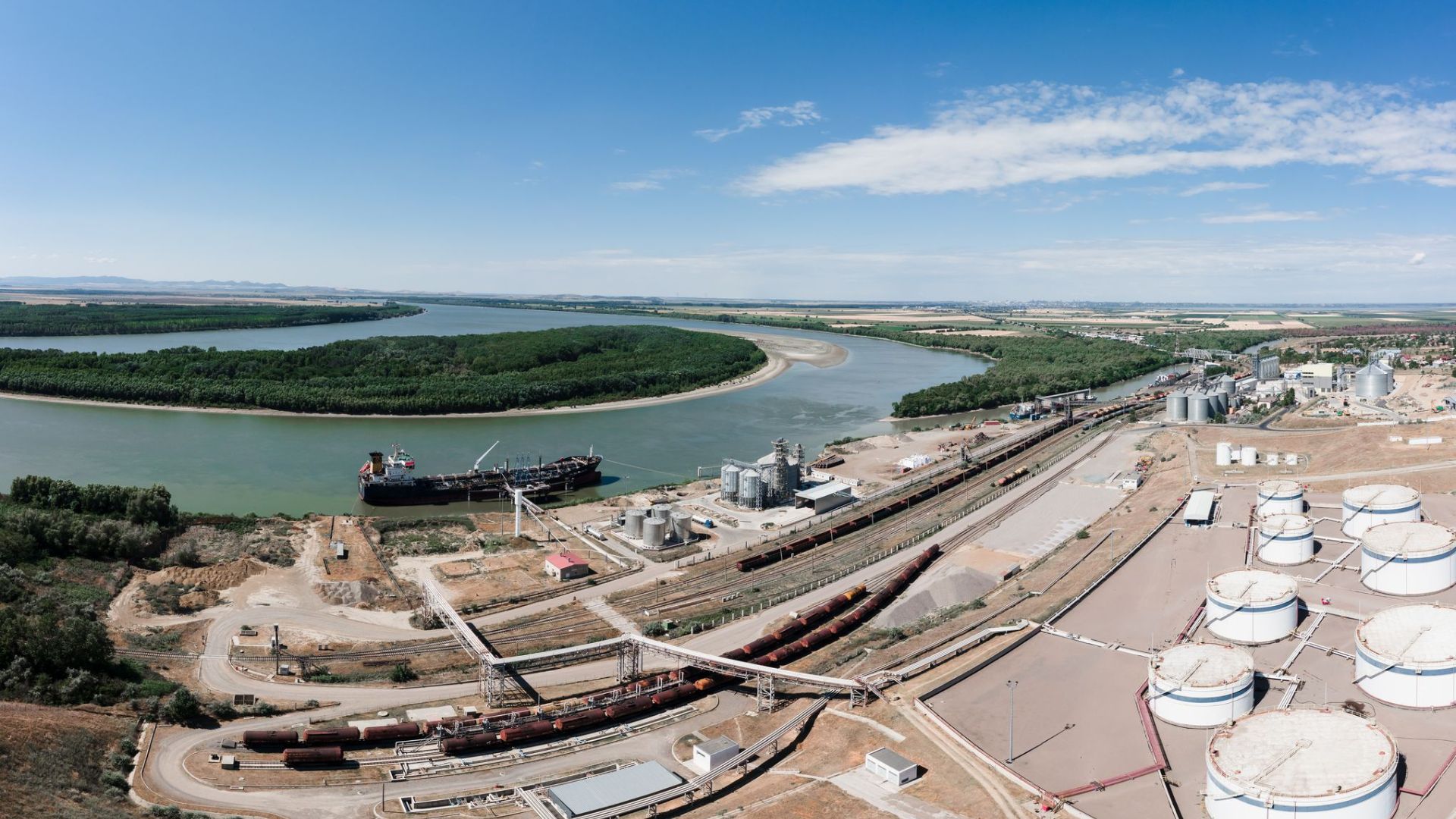
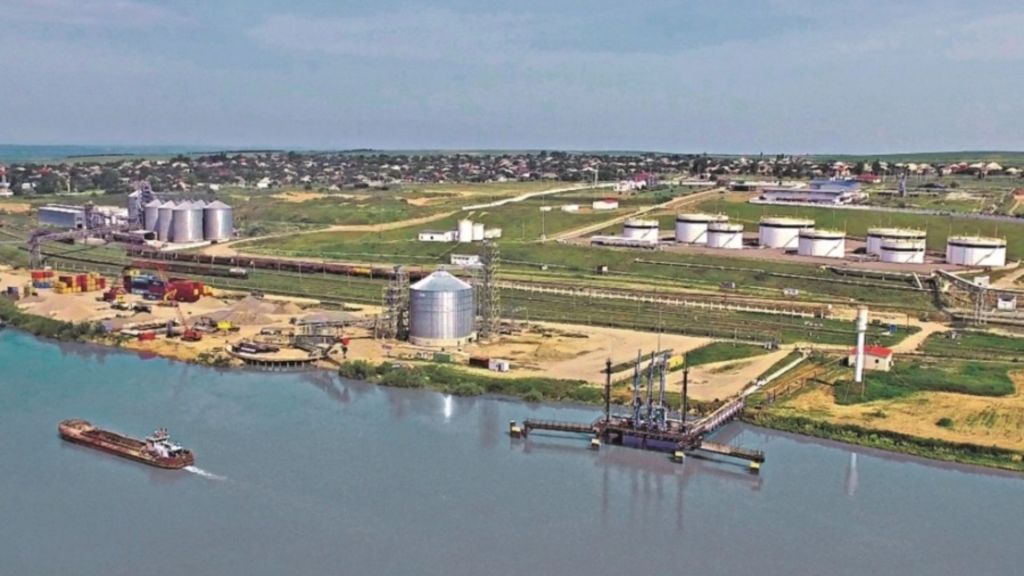
The Port of Giurgiulești, officially known as the Giurgiulești International Free Port (PILG), is Moldova’s only port accessible to seagoing vessels. Situated at kilometer 133.8 of the Danube River, the port provides Moldova with a vital connection to the global maritime trade network. With its strategic location, the port offers a gateway for Moldova to reach international markets, enhancing the country’s economic competitiveness.
Diversification of Trade Routes
The development of major ports and terminals in Moldova, such as the Port of Giurgiulești, has allowed the country to diversify its trade routes. Previously dependent on its larger neighbors for imports and exports, Moldova can now explore alternative routes through the Danube River. This diversification reduces reliance on a single trade partner and enhances the country’s resilience in the face of geopolitical challenges.
The Port of Giurgiulești: Unlocking Moldova’s Potential
A Brief History
The Port of Giurgiulești was built as a result of a territorial exchange with Ukraine in 2005. Moldova received a 430-meter bank of the Danube River, providing the foundation for the development of the port. In 1996, work started on an oil terminal, and on October 26, 2006, the port opened to the public. Since then, the port has continuously expanded its facilities and services, transforming into a vital hub for trade and logistics in the region.
Terminal Operations and Services
The Port of Giurgiulești operates multiple terminals, catering to various types of cargo and facilitating seamless trade operations. Let’s explore the key terminals and their functions:
- Bulk Cargo Terminal: This terminal, owned and operated by Danube Logistics SRL, handles aggregates, pet coke, and coal. Equipped with open storage areas, the terminal utilizes floating cranes or mobile harbor cranes to efficiently handle cargo.
- Oil Products Terminal: With a jetty on the Danube River, this terminal accommodates ships and river barges for the storage and transshipment of oil products. It features a tank farm, loading facilities for trucks, and rail loading and unloading capabilities.
- Container and General Cargo Terminal: Operational since 2012, this terminal facilitates the handling of containers and general cargo. It offers open storage linked to the railway, reefer plugs for temperature-controlled cargo, and modern handling equipment such as mobile harbor cranes and reach stackers.
- Grain Terminal: Constructed in 2009, the grain terminal handles the storage and transshipment of grains. It boasts efficient loading capabilities, accommodating ships up to 7,000 metric tons and loading at a speed of 800 metric tons per hour.
- Ro-Ro Terminal: Located near the general cargo and container terminal, this terminal specializes in roll-on/roll-off operations, facilitating the transportation of vehicles and other wheeled cargo.
- Vegetable Oil Terminal: This terminal, in operation since 2011, focuses on the storage and loading of vegetable oil. It provides storage capacity and loading capabilities for ships up to 10,000 DWT.
- Mixed-Gauge Rail Terminal: Moldova’s first privately owned mixed-gauge rail terminal, it enables the transshipment of oil products between regular and broad gauge rail tank cisterns, facilitating efficient transportation to and from Moldova, CIS, and EU nations.
Business Opportunities and Economic Impact
The Port of Giurgiulești, in addition to its role in facilitating trade, offers a range of business opportunities and contributes significantly to the economic growth of Moldova. Let’s explore some key aspects:

- Giurgiulești International Free Port: Designated as a free economic zone until 2030, the port provides a favorable business environment for investors. The Giurgiulești International Free Port Business Park offers modern infrastructure, low costs, and a tri-modal transportation system, attracting investments in agriculture, manufacturing, and logistics sectors.
- Strategic Location: Moldova’s proximity to emerging markets in Europe, coupled with its highly fertile land and favorable climate, presents immense potential for agricultural and manufacturing industries. Storing and distributing cargo bound for markets in Central Eastern Europe, the CIS, and Turkey is made easy by the Port of Giurgiulești.
- Job Creation and Economic Growth: Employment opportunities and regional economic growth have been boosted by the port’s operations. With over 500 employees, the port has provided employment opportunities, contributing to the local economy. The increased volume of cargo handled at the port has also resulted in higher tax payments and investments in infrastructure.
- Supporting Regional Food Security: Since the Russian-Ukrainian conflict, the Port of Giurgiulești has played a crucial role in supporting regional food security. By facilitating the import and export of grains, the port has contributed to averting potential food shortages caused by disruptions in traditional trade routes.
Recent Developments and Future Prospects
The ever-increasing demand for the port of Giurgiulești to facilitate trade efficiently has led to its ongoing evolution and expansion of operations. Some notable recent developments and future prospects include:
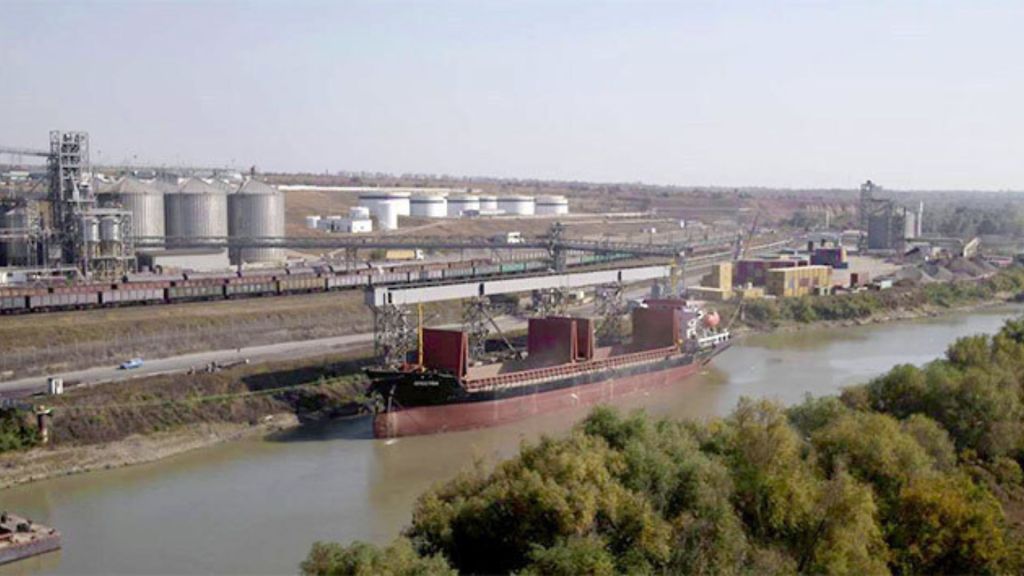
- Increased Cargo Volumes: The port has experienced a significant increase in cargo volumes in recent years, with a doubling of overall year-on-year volumes in 2022. This growth is attributed to the rise in imports of petroleum products, coal, fertilizers, and exports of grains and vegetable oil.
- Infrastructure Enhancements: To accommodate the growing demand, the port has invested in infrastructure enhancements. In the second half of 2023, a brand-new dry bulk and general cargo terminal, which cost $5 million, will be inaugurated. Additionally, a new container handling area has been developed, with plans for further expansion based on demand.
- Resilience and Adaptability: The port’s ability to adapt to changing trade dynamics, such as the Russian-Ukrainian conflict, highlights its resilience in supporting regional trade and maintaining supply chains. The port’s strategic location and diversified trade routes contribute to its continued importance in the region.
- Future Growth Potential: With ongoing investments, the Port of Giurgiulești is well-positioned to capitalize on future growth opportunities. The port’s commitment to maintaining stable tariffs and fostering long-term relationships with clients further strengthens its prospects as a key trade hub in Moldova.
The development of major ports and terminals in Moldova, particularly the Port of Giurgiulești, has revolutionized the country’s trade landscape and unlocked its economic potential. By providing Moldova with access to international waters, the port has diversified trade routes and facilitated the import and export of various commodities. Moreover, the port’s strategic location and favorable business environment have attracted investments and spurred economic growth in the region. As Moldova continues to strengthen its position in the global marketplace, the Port of Giurgiulești will remain a vital catalyst for trade and development.