The Indian Air Force is leaping forward in its training capabilities by introducing cutting-edge microlight aircraft. These agile and versatile aircraft are set to revolutionize how pilots are train, providing a cost-effective and efficient solution for the Indian Air Force’s training needs. In this article, we will delve into the features, capabilities, and significance of microlight aircraft in the context of the Indian Air Force.
A Game-Changing Acquisition
India has signed a contract with Slovenian aircraft manufacturer Pipistrel in a landmark development to acquire 194 state-of-the-art microlight aircraft. This aircraft, the Virus FW80, will be customize for Indian requirements and designate as ‘Garur.’ The contract, valued at Rs 105.5 crore, will not only cater to the Indian Air Force but also the Indian Navy and the National Cadet Corps (NCC).
Unmatched Versatility
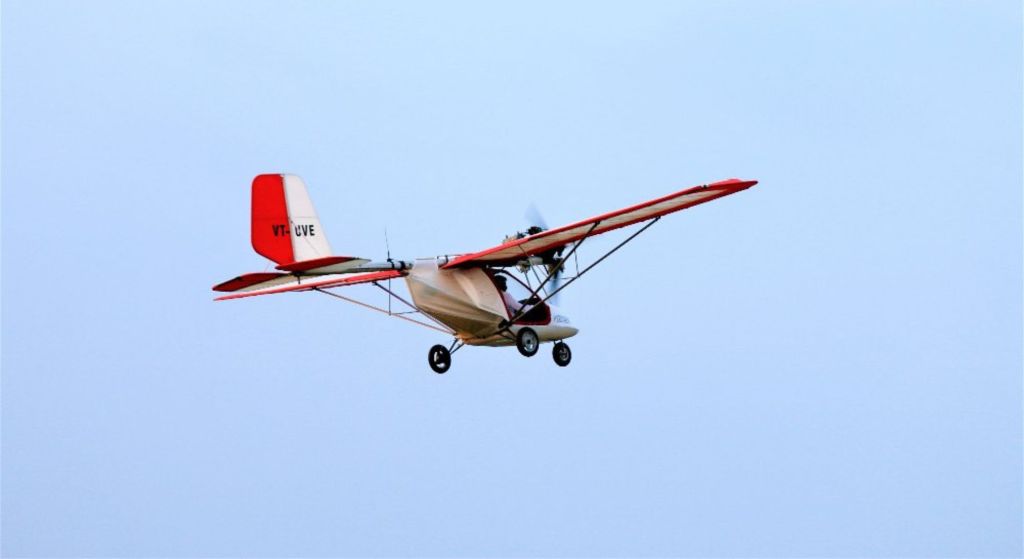
Microlight aircraft are renowned for their versatility and adaptability. They can take off and land on both prepared and semi-prepared surfaces, making them ideal for a wide range of training scenarios. Manufactured using advanced carbon fiber material, these aircraft possess exceptional strength and durability, ensuring the safety and comfort of the crew members.
Their compact size and agility contribute to ease of maneuverability, allowing pilots to navigate various terrains and practice essential skills with precision. Using cutting-edge avionics and lightweight construction further enhances their performance, providing a dynamic and enjoyable flying experience for both novice and experienced aviators. Overall, the versatility, durability, and technological advancements make microlight aircraft a reliable and accessible option for a diverse range of aviation activities.
Enhancing Flight Safety
The Indian Air Force’s acquisition of microlight aircraft will significantly enhance flight safety. With 72 aircraft allocate to the Indian Air Force, bird reconnaissance of airfields will be carried out more effectively, minimizing the risk of bird strikes during takeoff and landing. The Indian Navy will also utilize these aircraft for bird reconnaissance, safeguarding its naval aviation operations. Additionally, the NCC will employ microlight aircraft for training cadets, fostering a culture of adventure and aviation among the country’s youth.
Unveiling the Garur
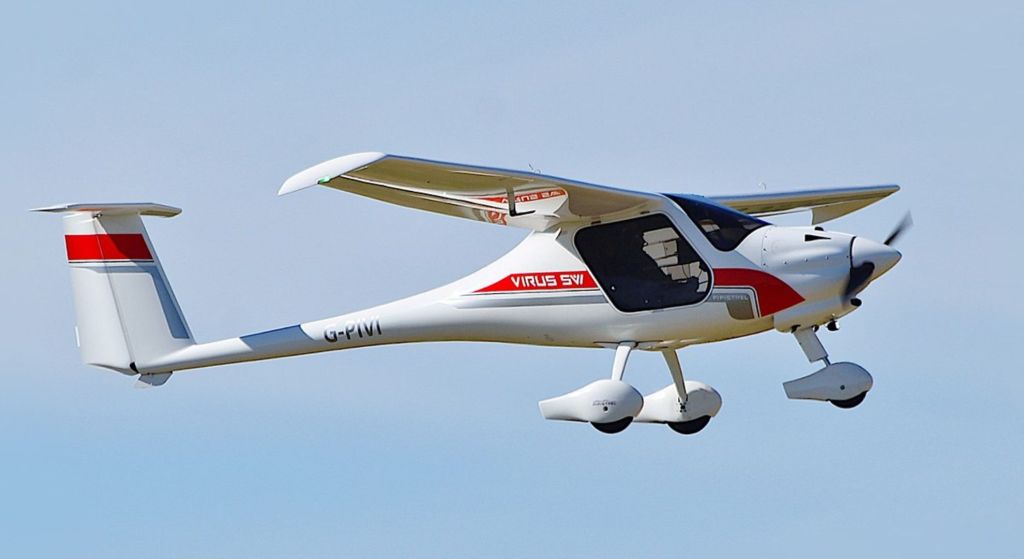
The Indian version of the Virus FW80, the Garur, represents a new era in training aircraft for the Indian Air Force. The Garur features a two-seater configuration, allowing for practical training of pilots and co-pilots. The cockpit is design with reinforced Kevlar construction, providing enhance safety in unforeseen emergencies. Luxurious interiors and leather seats offer a comfortable and immersive training experience, while the instrument panel, made of carbon fiber, is equipped with cutting-edge avionics.

Unmatched Performance
The Garur boasts impressive performance capabilities thanks to its powerful ROTAX engines. The aircraft can manage various flight situations with its maximum speed of 205 km/h and turbulence penetration speed of 250 km/h. Pilots can succeed in a wide range of training situations because of the aircraft’s maximum height of 6,800 meters and top speed of 8.4 m/s. The Garur’s full range of 1,650 km further extends the training capabilities of the Indian Air Force.
Customization for Special Missions
The Virus FW80 can be customize to meet specific mission requirements. Whether it be long-range flights or geographical survey operations, these aircraft can be tailored to suit the needs of the Indian Air Force. This versatility allows for greater operational efficiency and flexibility, enabling the Indian Air Force to tackle a wide range of training scenarios efficiently.
Environmental Impact and Sustainability
Eco-Friendly Design and Operations
Microlight aircraft like the Garur are a strategic and environmentally sustainable choice for the Indian Air Force. These aircraft consume less fuel and produce lower carbon emissions than conventional training planes. Their lightweight construction and efficient engines contribute to reduced noise pollution and overall environmental impact, making them an eco-friendly option for pilot training.
Promoting Green Aviation Initiatives
The Indian Air Force’s use of microlight aircraft aligns with global green aviation trends. This move supports India’s environmental goals and sets a precedent for sustainable practices in the defence sector. It also promotes eco-friendly aviation awareness among NCC cadets, inspiring future aviators to prioritize sustainability.
Technological Advancements in Pilot Training
Cutting-Edge Avionics and Training Simulations
Garur microlight aircraft feature the latest avionics systems, providing modern and comprehensive training for pilots. Advanced GPS navigation, digital displays, and automated flight controls prepare trainees to transition to more complex aircraft, ensuring training remains relevant and current with current aviation standards.
Enhanced Training Programs and Techniques
Microlight aircraft enable innovative training programs with their manoeuvrability and safety features. They allow various training exercises, from basic manoeuvres to complex emergency procedures, enhancing pilots’ skills and situational awareness. The cost-effectiveness of microlights permits more frequent training sessions, ensuring thorough preparation for Indian Air Force pilots.
Strengthening Defense Capabilities
Acquiring microlight aircraft signifies the Indian Air Force’s commitment to strengthening its defense capabilities. These aircraft enhance training capabilities and serve as a force multiplier. The Indian Air Force can now conduct bird reconnaissance operations more effectively, ensuring the safety and efficiency of its airfields. By promoting adventure and aviation through the NCC, the Indian Air Force is nurturing a future generation of skilled and passionate aviators.
Timely Deliveries
The delivery of the microlight aircraft is expect to commence within the following year. The Indian Air Force, Indian Navy, and NCC will receive phased aircraft, allowing for a smooth transition and integration into their respective training programs. The timely delivery of these aircraft underscores Pipistrel’s commitment to supporting the Indian defense forces in their pursuit of excellence.
Pipistrel’s dedication to quality assurance and ongoing support ensures that each aircraft meets the stringent standards required by the Indian defence forces. This collaborative effort strengthens bilateral ties while enhancing the capabilities of India’s military training infrastructure, paving the way for enhanced operational readiness and efficiency.
FAQ’s
1.What is a microlight aircraft?
A microlight aircraft, also known as an ultralight aircraft, is a small, lightweight aircraft designed to carry only one or two people. Its low weight, slow speed, and simple controls usually characterize it. Microlight aircraft are often use for recreational flying and can be power by engines or operate as gliders.
2.Do I need a license to fly a microlight aircraft?
Yes, you generally need a license to fly a microlight aircraft. The requirements vary between countries, but most jurisdictions have a separate license category for microlight pilots. Obtaining this license usually necessitates a particular flight time, successful completion of written and practical tests, and fulfilling specific medical criteria.
3.How much does a microlight aircraft cost?
If you want to buy a microlight aircraft, the price can change based on its model, features, and overall state. On average, a new microlight aircraft can range from $10,000 to $50,000. However, used or older models may be available at lower prices. When budgeting for a microlight aircraft, it’s important to consider maintenance costs, insurance, and other ongoing expenses.
4.What are the safety considerations for flying a microlight aircraft?
Safety is paramount when flying any aircraft, including microlights. Before you can fly, you must get the proper training and a license. Regular maintenance and inspections of the aircraft are essential to ensure its airworthiness. Adhering to weather conditions, practicing good judgment, and following all aviation regulations and guidelines are crucial for safe microlight flying.

5.Can I fly a microlight aircraft at night?
In most cases, microlight aircraft are not permit to fly at night due to their limited capabilities and safety concerns. The low speed and limited lighting systems of microlights make them less suitable for nighttime operations. However, regulations may vary depending on the country and specific circumstances, so checking with the relevant aviation authority for particular rules and restrictions is essential.
6.How far can a microlight aircraft fly?
A microlight plane’s range can change based on how much fuel it has, how well its engines work, and how much it can carry. On average, a microlight aircraft can typically fly for around 2-4 hours before refueling. This translates to a range of approximately 100-200 miles. It’s essential to remember, though, that these numbers can differ based on the plane type and the weather.
7.Can I use a microlight aircraft for aerial photography or other commercial purposes?
In many countries, microlight aircraft are primarily regulate for recreational use and may have restrictions on commercial operations. However, certain exemptions or specific licenses may be available for commercial activities such as aerial photography or surveying. It is essential to check with the relevant aviation authority to understand the regulations and requirements for using a microlight aircraft for commercial purposes.
Introducing microlight aircraft into the training repertoire of the Indian Air Force marks a significant milestone in the evolution of Indian aviation. The following Indian pilots must learn how to fly on these planes. They are instrumental because they are flexible, have the latest technology, and can be use in many training situations. The acquisition of these state-of-the-art aircraft is a testament to India’s commitment to modernizing its defense capabilities and fostering a culture of adventure and aviation among its youth. As the Garur takes flight, the Indian Air Force soars to new heights.