
The Mirage aircraft jet series is a legendary name in aviation history. Developed by the French aircraft manufacturer Dassault Aviation, these sleek, delta-winged machines have been soaring through the skies for over six decades. They’ve been the backbone of air forces worldwide, and their story is a fascinating journey through the evolution of aviation technology.
From Humble Beginnings to Supersonic Speeds
The Mirage saga began after World War II. Europe was rebuilding, and France, eager to reassert itself on the global stage, needed a modern fighter jet. Enter the Mirage III, which took its first flight in 1956. This single-engine marvel was a technological marvel for its time.
The key to the Mirage III’s success was its delta wing design. This revolutionary aerodynamic concept, pioneered by German research during the war, allowed the aircraft to achieve supersonic speeds with minimal drag. It was a significant leap forward from the straight-winged jets dominating the skies at the time.
The Mirage III wasn’t just fast; it was also versatile. Dassault quickly developed variants for different roles – an interceptor to take down enemy aircraft, a fighter bomber for ground attacks, and even a reconnaissance variant for gathering intelligence. This adaptability proved a significant selling point, and the Mirage III found homes in the air forces of over 30 countries.
A Legacy of Innovation: The Mirage Family Takes Flight
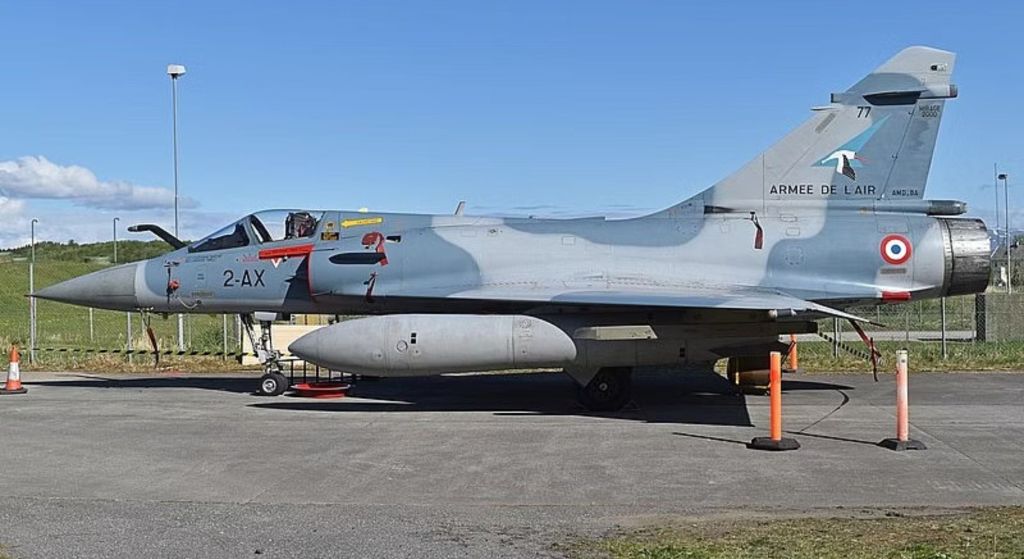
The success of the Mirage III wasn’t a fluke. Dassault used it as a springboard for further innovation, creating a family of Mirage jets. Here are some notable examples:
- Mirage 5 (1967): This variant removed the complex radar system of the Mirage III, making it a more affordable and export-friendly ground attack aircraft.
- Mirage F1 (1973): This multirole fighter offered improved manoeuvrability and better handling at low speeds, making it ideal for air combat and ground support.
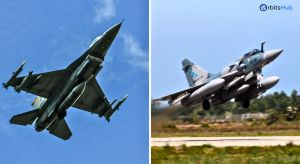
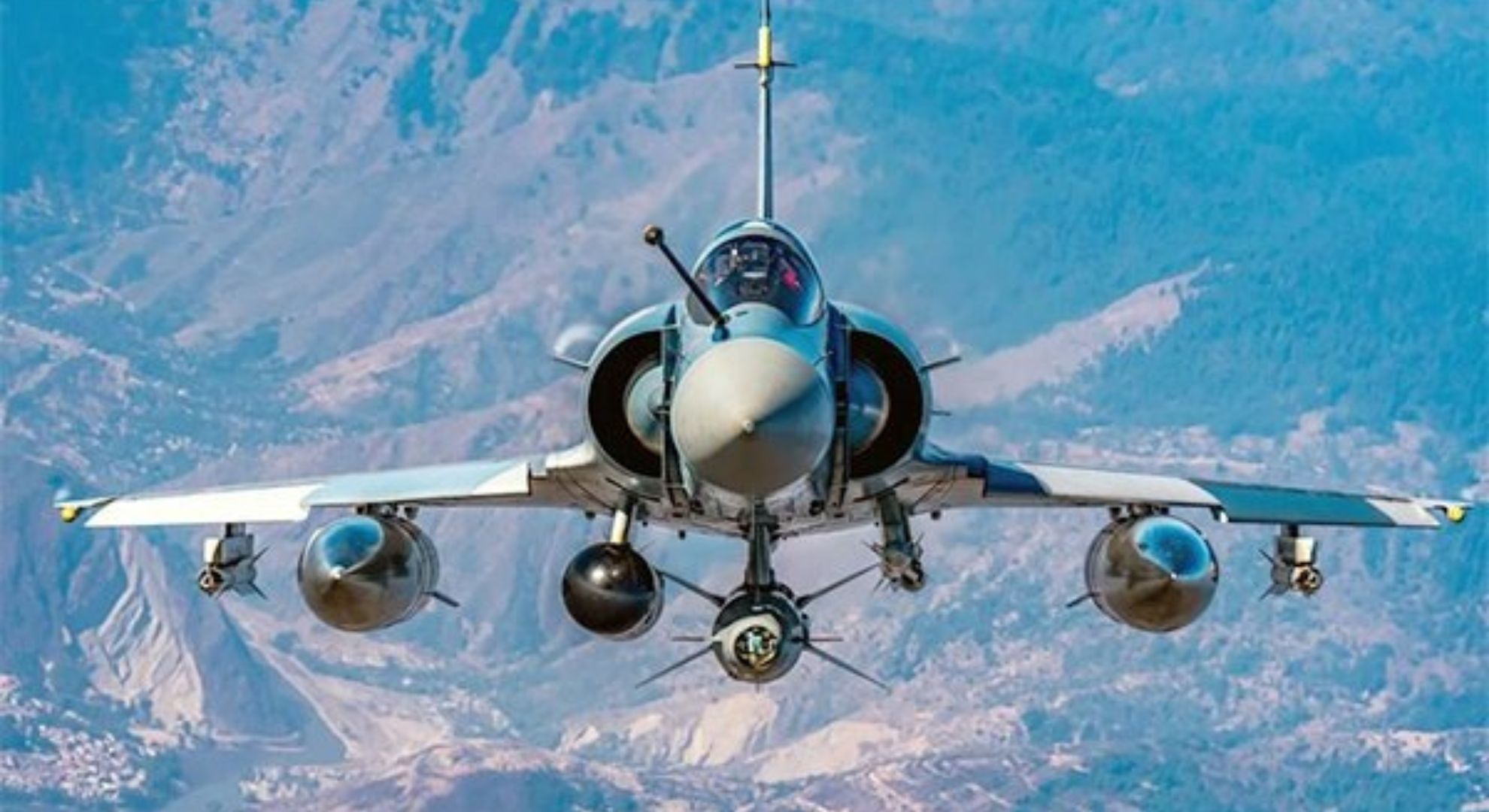
- Mirage 2000 (1978): This fourth-generation jet marked a significant leap forward. It could carry a broader variety of weaponry, had modern avionics, and a strong engine. Several air forces are still using the Mirage 2000 today.
Each new Mirage variant incorporated the latest materials, engines, and avionics advancements. They pushed the boundaries of what fighter jets could do, constantly adapting to the ever-changing needs of modern warfare.
Beyond the Mirage: The Future of Fighter Jets
While the Mirage series is no longer in production, its legacy lives on. The lessons learned and technologies developed during the Mirage program continue influencing modern fighter jet design. Today, jets like the Rafale (France) and the F-35 (US) owe a debt to the pioneering spirit of the Mirage.
The future of fighter jets will likely see even more significant advancements in areas like stealth technology, artificial intelligence, and hypersonic speeds. However, the core principles of aerodynamics, power, and manoeuvrability established by jets like the Mirage will remain crucial.
The Impact of the Mirage: From Battlefield Dominance to International Tensions
This section can delve into the real-world impact of the Mirage jets. You can discuss:
- Military Victories: How the Mirage’s performance played a decisive role in conflicts like the Six-Day War (1967) for the Israeli Air Force.
- Export Controversies: The political considerations and controversies surrounding the sale of Mirage jets to various countries during the Cold War era.
- The Rise of Rivalries: The Mirage’s success spurred competition between France and other major aircraft manufacturers, such as the US and the Soviet Union.
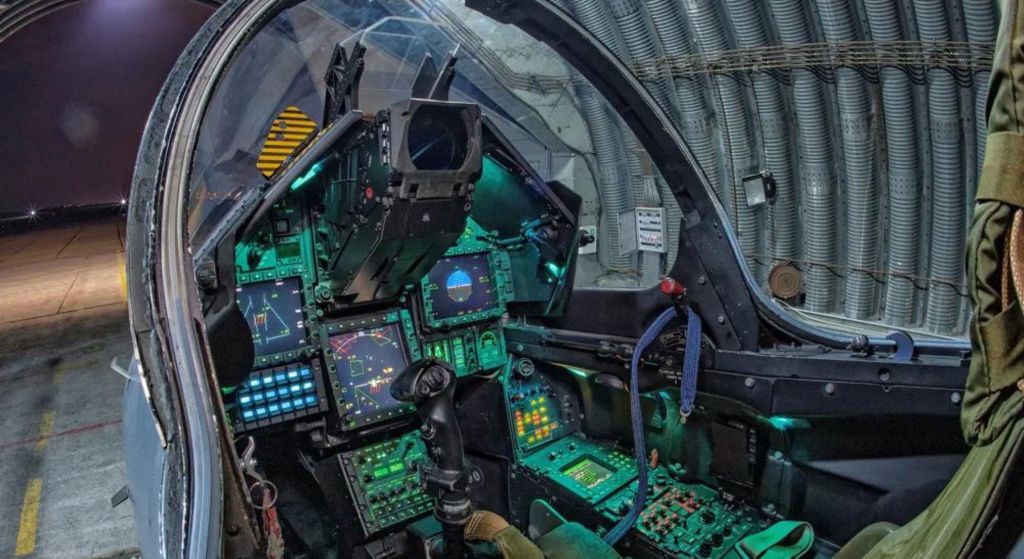
A Look Inside the Cockpit: The Technology of the Mirage
This section can glimpse the technical aspects that made the Mirage series successful. You can talk about:
- Delta Wing Aerodynamics: Explain the concept of delta wings and how they differ from traditional designs, using easy-to-understand language with visuals, if possible (diagrams or illustrations).
- Avionics Evolution: Briefly discusses the advancements in radar, navigation, and weapons systems incorporated throughout the Mirage family.
- Pilot Experience: Share some insights on the pilot’s perspective, mentioning the handling characteristics and unique features of flying a Mirage jet.
The Mirage aircraft series exemplifies how far humans have come in their quest for aviation innovation. From the supersonic speeds of the Mirage III to the advanced capabilities of the Mirage 2000, these jets have played a vital role in shaping the course of aviation history.
Are you considering a career in the exciting world of aviation or maritime industries? OrbitsHub, a leading consultancy services company, can help you navigate the complexities of these sectors.
FAQ’s
1. What is a Mirage aircraft?
A Mirage aircraft is a family of French-built, delta-wing fighter jets developed by Dassault Aviation. They are known for their sleek design and agility in combat.
2. What variants of Mirage aircraft are available?
Several variants of Mirage aircraft have been produced, including the Mirage III, Mirage 5, Mirage 2000, and Mirage 4000, each with specific features tailored for different roles and missions.