NASA’s ambitious plans for lunar exploration have always captured the public’s imagination. However, only some missions get the green light to proceed. Recently, NASA decided to cancel its $450 million NASA Moon Mission 2024, a project that promised to be a cornerstone in the next phase of lunar exploration. This decision has sparked widespread discussion and curiosity about the reasons behind such a significant shift in strategy. In this article, we’ll explore the details of the mission, the reasons for its cancellation, and what this means for NASA’s future lunar endeavors.
The Viper Project: NASA Moon Mission 2024
Mission Goals and Objectives
The Volatiles Investigating Polar Exploration Rover (VIPER) was an ambitious project to explore the Moon’s South Pole. The primary goal of VIPER was to search for water ice, which is believed to be present in the permanently shadowed regions of the lunar surface. The presence of water on the Moon could be a game-changer for future lunar missions, providing a potential resource for human explorers and a stepping stone for deeper space exploration.
Technological Innovations
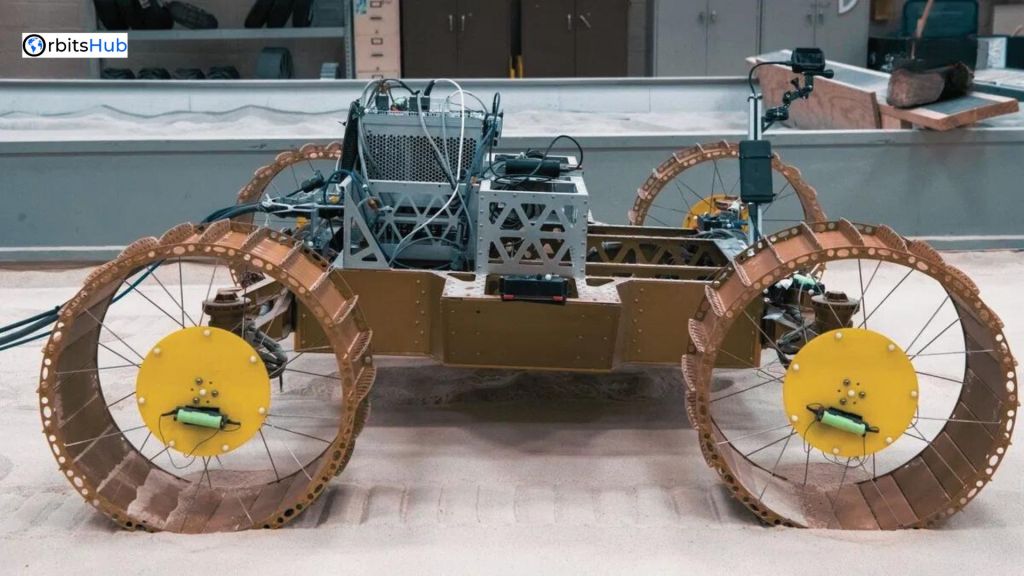
VIPER was designed to be a highly advanced rover with state-of-the-art instruments to analyze the lunar soil and identify water ice deposits. The rover’s suite of scientific tools included a neutron spectrometer, a mass spectrometer, and a drill capable of reaching depths of up to one meter. These advancements offered the possibility of providing previously unheard-of information about the makeup of the lunar surface and the use of in-situ resources.
Reasons Behind the Cancellation: NASA Moon Mission
Budget Constraints
One of the primary reasons for the cancellation of the VIPER mission was budgetary constraints. The project faced significant financial challenges despite the critical scientific goals and the potential for groundbreaking discoveries. NASA’s budget is limited, and the agency must prioritize its resources to ensure the success of its highest-priority missions. Given the current budgetary environment, the $450 million allocated for VIPER must be lowered.
Technical Challenges
In addition to financial hurdles, the VIPER mission encountered several technical challenges. Developing a rover capable of operating in the extreme conditions of the lunar South Pole is no small feat. The harsh environment, characterized by frigid temperatures and prolonged periods of darkness, presents significant engineering challenges. Ensuring that the rover could survive and function effectively in such conditions required extensive testing and development, contributing to rising costs and delays.
Strategic Reassessment
NASA’s decision to cancel VIPER reflects a broader strategic reassessment of its lunar exploration plans. The agency constantly evaluates its mission portfolio to ensure it aligns with long-term goals and priorities. In this context, canceling VIPER can be part of a more significant effort to streamline and optimize NASA’s lunar exploration strategy. By reallocating resources from VIPER to other high-priority projects, NASA aims to maximize its impact and achieve its overarching objectives more effectively.
Implications for Future Lunar Moon NASA Mission
Continued Lunar Exploration
Despite the cancellation of VIPER, NASA remains committed to lunar exploration. The Artemis program, which aims to return humans to the Moon by 2024, remains a central focus for the agency. The insights and lessons from the VIPER project will undoubtedly inform and enhance future missions. NASA’s ongoing efforts to develop sustainable lunar exploration capabilities are crucial for establishing a long-term presence on the Moon and paving the way for future Mars missions.

Focus on Collaboration
NASA’s lunar exploration strategy increasingly emphasizes international collaboration and partnerships with private industry. Canceling VIPER underscores the importance of leveraging external expertise and resources to achieve ambitious goals. By working closely with global partners and commercial entities, NASA can pool resources, share risks, and accelerate innovation. Collaborative efforts are essential for overcoming lunar exploration’s financial and technical challenges.
Innovation and Adaptability
Canceling VIPER highlights the need for continuous innovation and adaptability in space exploration. NASA has demonstrated resilience and forward-thinking thinking by adjusting and reevaluating its plans in response to changing conditions. As technology advances and new opportunities emerge, NASA must remain flexible and open to new ideas to stay at the forefront of space exploration.
VIPER significantly shifts the agency’s lunar exploration plans by canceling NASA’s $450 million moon rover mission. Driven by budgetary constraints, technical challenges, and strategic reassessment, this decision reflects space exploration’s complex and dynamic nature. Despite this setback, NASA’s commitment to lunar exploration remains strong, with a continued focus on the Artemis program and collaborative efforts. Without question, the lessons gained from the VIPER project will help future missions succeed and guarantee that NASA stays at the forefront of the effort to discover and comprehend our nearest planetary neighbor.