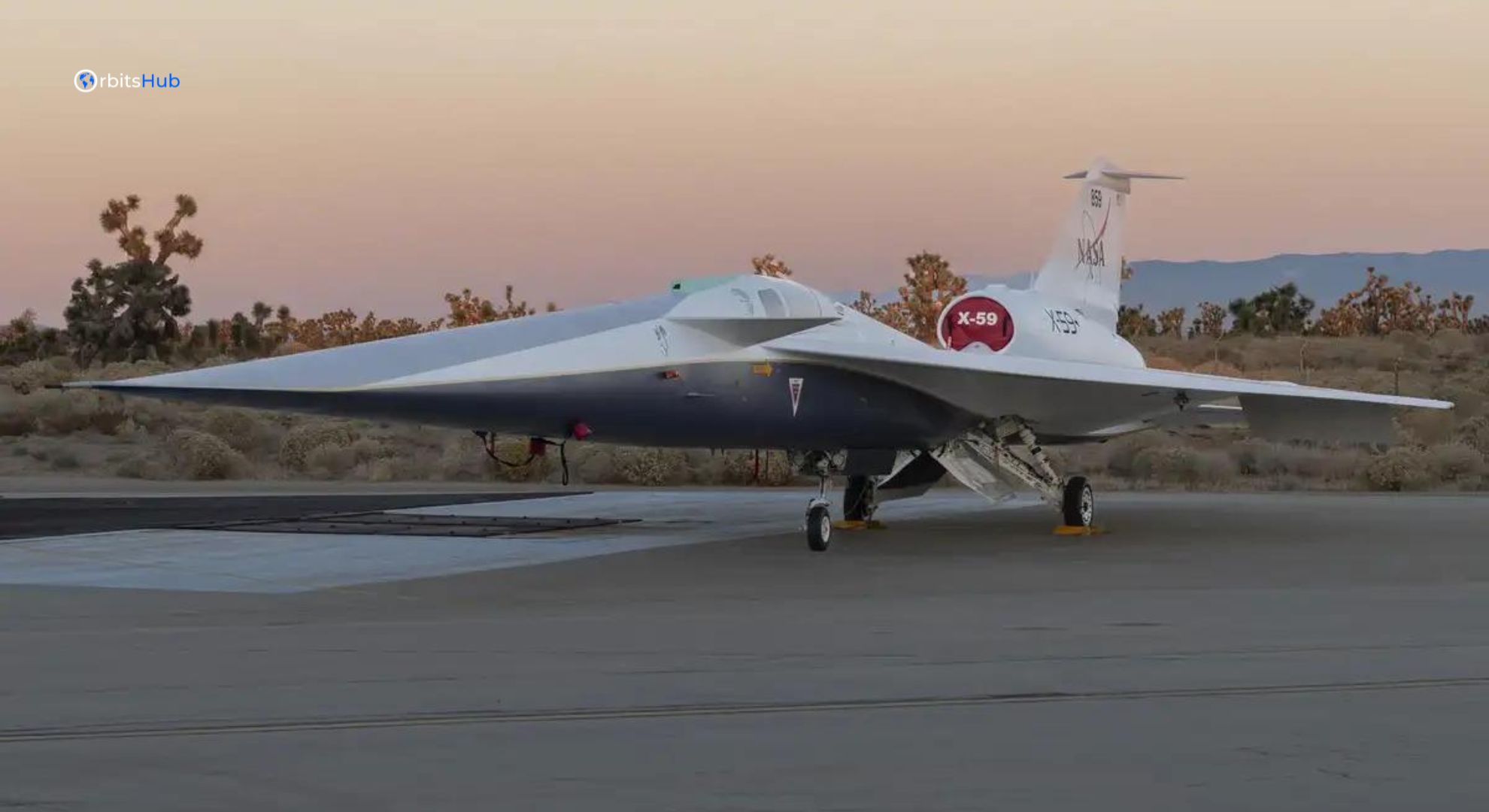
The pursuit of faster-than-sound commercial air travel over land has been a tantalizing prospect for decades, yet the disruptive sonic boom phenomenon has kept this dream grounded. However, NASA’s innovative X-59 Quiet SuperSonic Technology (QueSST) aircraft has taken a significant stride toward making quieter supersonic flight aircraft a reality, passing a crucial milestone in its journey to the skies.
Rigorous Flight Safety Evaluation
In a testament to NASA’s unwavering commitment to safety, an independent Flight Readiness Review Board, comprising experts from across the agency, has meticulously scrutinized the X-59 project team’s approach to safeguarding the public and personnel during ground and flight testing operations. This comprehensive review delved into the team’s thorough hazard analysis, focusing on risk identification and mitigation strategies.
Insights for Ground and Flight Preparation
While the Flight Readiness Review does not serve as a pass-or-fail assessment, it provides invaluable insights and recommendations to the X-59 team. These findings will guide the project’s progression through critical systems checkouts on the ground and prepare it for the much-anticipated first flight. As Cathy Bahm, NASA’s Low Boom Flight Demonstrator project manager, aptly stated, “We’ll be getting actions from the board and will work with them to resolve those and work toward the Airworthiness and Flight Safety Review.”

Collaborative Effort: NASA and Lockheed Martin
The X-59 is the product of a collaborative endeavour between NASA and prime contractor Lockheed Martin to revolutionize air travel. With this ground-breaking plane, the sonic boom of supersonic flight is reduced to a soft “thump,” opening the door for a new breed of commercial planes that can fly faster than sound without causing the annoying noise pollution that has plagued previous attempts.
Overcoming Decades-Old Barriers
Due to the extreme noise produced by sonic booms, the United States has forbidden commercial supersonic flight over land for more than fifty years. However, the X-59’s innovative design promises to overcome this long-standing barrier, potentially ushering in a new era of faster-than-sound air travel that is both efficient and environmentally responsible.
The QueSST Mission: Gathering Crucial Data
At the heart of NASA’s QueSST mission lies the X-59, a specialized research platform designed to collect invaluable data on the public’s perception of the aircraft’s quieter sonic “thumps” generated during supersonic flight. Regulatory organizations will review this data and potentially alter sound-based laws that have grounded supersonic commercial flying over populated regions.
A Comprehensive Project Update
According to Jay Brandon, chief engineer for the Low Boom Flight Demonstrator project, the Flight Readiness Review was a comprehensive update on the entire X-59 endeavour. “It allowed us to stop working for a minute and gather what we’ve done so we could tell our story, not just to the board, but to the whole project team,” Brandon explained, underscoring the review’s significance as a milestone for the entire team.
Airworthiness and Flight Safety: The Next Hurdle
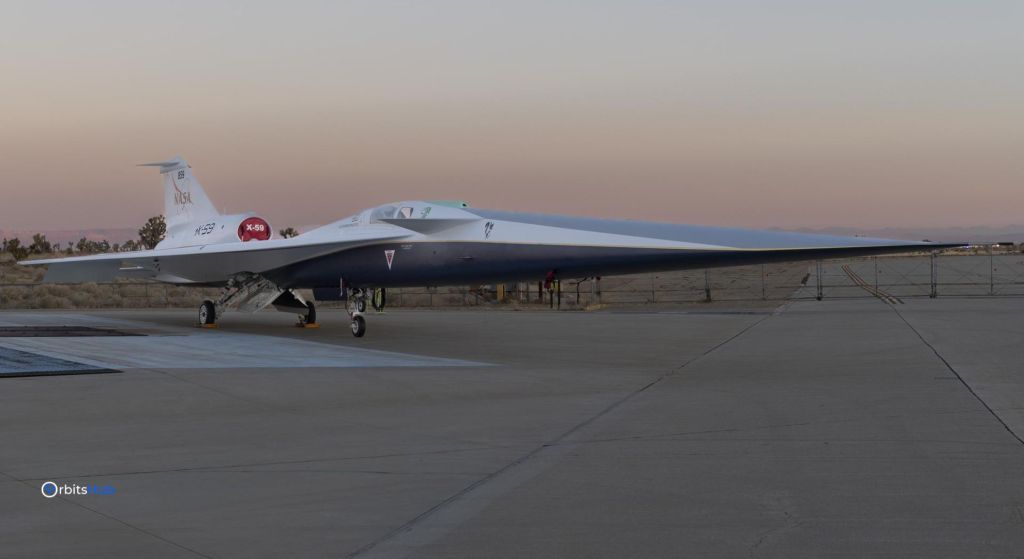
With the Flight Readiness Review completed, the X-59 team now focuses on the following critical safety milestone: the Airworthiness and Flight Safety Review. This rigorous evaluation will involve senior leaders from multiple NASA centres and Lockheed Martin, who will scrutinize the findings from the Flight Readiness Review and the project team’s responses to those findings.
Upon completing this review, a recommendation will be made to the director of NASA’s Armstrong Flight Research Center, who holds the authority to grant the X-59 its airworthiness certificate – a crucial step toward realizing the dream of quieter supersonic flight.
Comprehensive Testing and Risk Mitigation
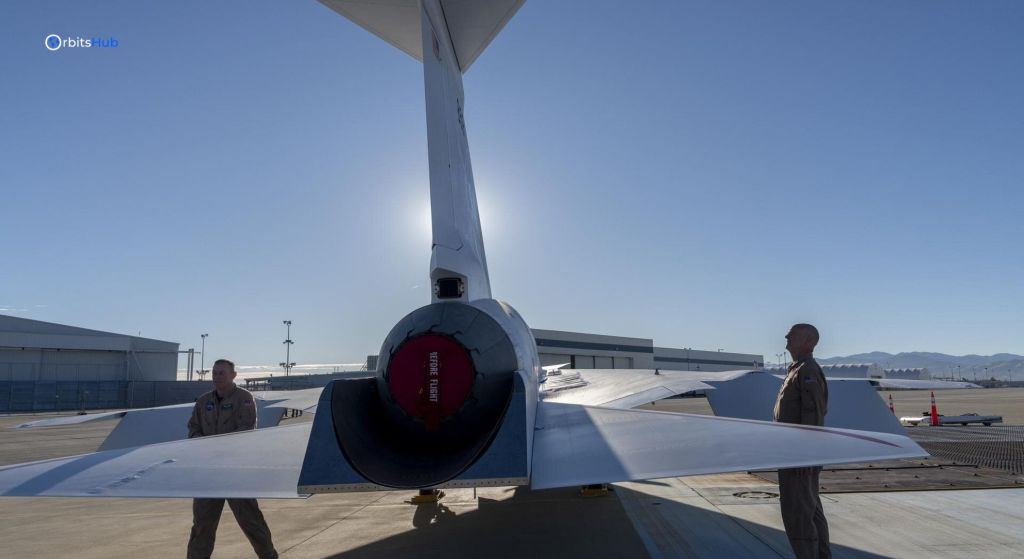
Before the X-59 can take to the skies, the project team must navigate significant ground tests focused on systems integration, engine runs, and electromagnetic interference. Although the aircraft’s design is radical, many components are from well-established aviation, such as Air Force F-16 fighter landing gear, NASA T-38 trainer cockpit canopies, and Air Force F-117 stealth fighter control sticks.
As Brad Neal, chairman of the X-59 Airworthiness and Flight Safety Review board, aptly noted, “None of these systems have ever worked and played together before. We are developing a brand-new thing, even though they’re components on different legacy aircraft. As we get into integration testing here, it will be a great learning opportunity.”
Final Clearance: Technical Brief and Risk Mitigation
Before the NASA X-59 can take to the skies, the team must present a comprehensive technical brief to another review board detailing the test objectives, testing methodologies, potential risks, and risk-mitigation strategies employed. This board, led by NASA Armstrong’s chief engineer Cynthia J. “CJ” Bixby, will rigorously evaluate the brief and ensure that all concerns are adequately address before granting the final flight request.
A Finite Set of Activities
As Cathy Bahm, the Low Boom Flight Demonstrator project manager, aptly summarized, “It’s an exciting time on the project. It’s not an easy road, but a finite set of activities are in front of us.” With each milestone achieved, the X-59 edges closer to its maiden flight, bringing the dream of quieter supersonic air travel one step closer to reality.
The Path Ahead: Integration, Testing, and Learning
While the road ahead is paved with challenges, the X-59 team remains undaunt. The upcoming integration testing phase promises to be a valuable learning experience as the aircraft’s components – many of which have been sourced from various legacy aircraft – are brought together and made to work in harmony for the first time.
A Bold Vision, A Collaborative Effort
The X-59 exemplifies NASA‘s fearless leadership and steadfast dedication to expanding the frontiers of aeronautical engineering. Through close collaboration with industry partners like Lockhee Martin, the agency is poised to redefine the future of air travel, ushering in a new era of sustainable, efficient, and quieter supersonic flight. The world waits with bated breath for the X-59’s delicate “thump” to start a new chapter in aviation history.
Ready to elevate your maritime and aviation endeavours? Dive into the world of expertise with OrbitsHub! Explore our comprehensive consultancy services at orbitshub.com today. Reach out to learn how we can navigate your success together.