India’s pursuit of a formidable China’s aircraft carrier fleet has garnered renewed urgency in the wake of China’s rapid naval expansion. As Beijing unveils its third carrier, the Shandong, New Delhi grapples with the challenges of keeping pace while managing soaring costs and logistical hurdles.
Aircraft Carrier Race Against Time: Overcoming Delays
The Vikrant, India’s first domestic aircraft carrier, was commissioned in September 2022. Ministry of Defence informed Indian shipyards and component vendors of project delays.
Vikrant has arrived, but a single domestic shipyard slip can build these behemoths, limiting India’s carrier program. Launch and clear each carrier before setting down the next. Two active shipyards in Beijing can build big aircraft carriers, giving it a strategic advantage.
Operational Readiness: Bridging the Gap
While INS Vikrant‘s commissioning represents a significant achievement, the Indian Navy acknowledges that the carrier may not attain entire combat fleet operational capability until mid-2023. This delay further exacerbates the gap between India’s and China’s naval prowess, underscoring the urgency for New Delhi to accelerate its carrier program.
Economic Headwinds and Technological Limitations: Aircraft Carrier
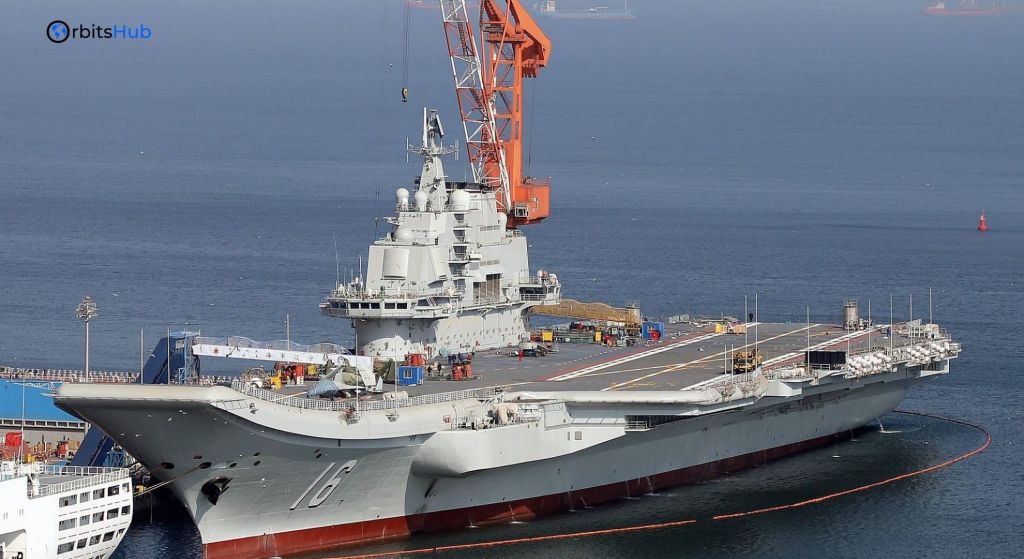
China’s economic slowdown and the COVID-19 outbreak have hampered India and China’s carrier programmes. Both nations’ low technical bases create a shared challenge in building programs.
The Indian Vikramaditya and Chinese Liaoning are heavily refurbished Soviet Navy Project 1143 carriers, raising issues about their combat value. Both nations must use cutting-edge technology to build a viable aircraft carrier force.
The INS Vishal Aircraft Carrier: A Quantum Leap
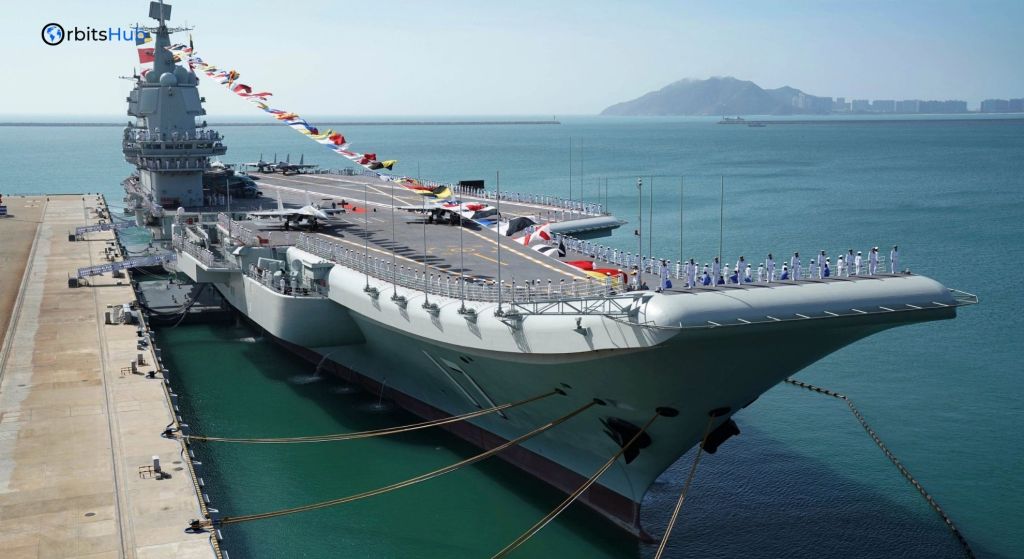
India’s future carrier, the INS Vishal, represents a significant departure from the Vikrant class. Vishal will be a larger vessel that can catapult naval aircraft, separating it from other members of the same class.
While the Vishal signifies a significant step forward in Indian naval aviation, its early design stage suggests it may be a considerable time before the carrier joins the fleet, further highlighting India’s challenges in closing the gap with China’s burgeoning naval might.
Expanding Fleet Ambitions: Aircraft Carrier
Initially, the Indian Navy envisioned a fleet comprising two carrier groups, with a third undergoing maintenance and refit at any given time. However, this plan has evolved, with the Navy aiming simultaneously for three carrier groups in active service.
At least two additional carriers must cover maintenance periods and facilitate training duties to realize this ambitious goal. Even though the Vikramaditya is the training ship, the carrier construction program has expanded, highlighting India’s financial and logistical issues.
Future Projections and Uncertainties: Aircraft Carrier
According to forecasts, the INS Vishal is expected to be completed around 2035, while the third carrier, Viraat, is likely to materialize after 2045, if at all. These timelines underscore the long-term nature of India’s career ambitions and the numerous obstacles.
Geopolitical Implications and Strategic Considerations
India’s desire for a strong aircraft carrier force is geopolitical. As an Indian nation with global ambitions, Delhi needs naval strength to preserve its interests and influence the Indo-Pacific.
This project has obstacles. The technological complexity and rising costs of carrier construction and maintenance require careful strategic planning and resource allocation. India must combine naval capability with domestic interests like economic development and social welfare.
International Partnerships and Collaborations: Aircraft Carrier
India may explore international partnerships and collaborations to mitigate the financial burden and accelerate the pace of progress. Leveraging the expertise and resources of allied nations could prove invaluable in overcoming technological hurdles and streamlining the carrier construction process.
Such collaborations not only offer potential cost savings but also foster closer strategic ties, enhance regional stability, and promote a rules-based international order in the Indo-Pacific.
Domestic Industrial Capabilities and Self-Reliance: Aircraft Carrier
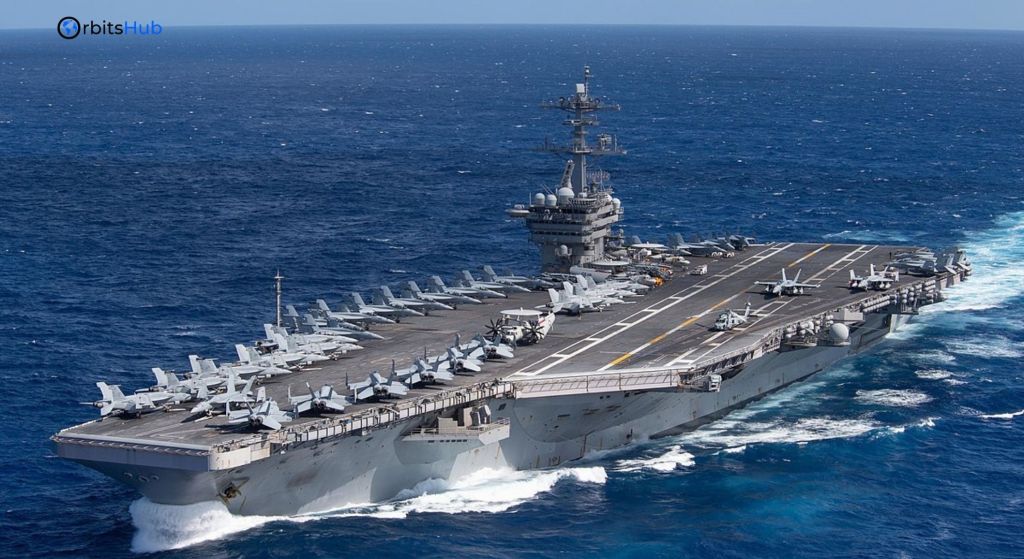
Alongside international cooperation, India’s carrier program underscores the importance of developing robust domestic industrial capabilities. The nation’s ability to design, construct, and maintain these complex vessels is crucial for self-reliance and reducing dependence on foreign suppliers.
Investing in Indigenous research and development, nurturing a skilled workforce, and fostering public-private partnerships within the defence sector could yield long-term dividends, positioning India as a formidable player in the global naval industry.
Environmental Considerations and Sustainability
As India navigates the intricacies of its aircraft carrier program, it must also address the environmental implications of such endeavours. The building and operation of these enormous boats create substantial carbon footprints and impact marine ecosystems.
Embracing sustainable practices, such as incorporating energy-efficient technologies, minimizing emissions, and implementing robust environmental management systems, will be essential to mitigating the ecological consequences of India’s naval ambitions.
Balancing Ambition with Pragmatism: Aircraft Carrier
India faces uncertainty in matching China’s aircraft carrier dominance. Logistical, economic, and technological challenges await the Vikrant. New Delhi must balance naval power with domestic needs in this challenging situation. India’s career aspirations require international cooperation, indigenous capabilities, sustainability, strategic pragmatism, and economic prudence. If India can handle these complex issues, its aircraft carrier program will succeed, demonstrating its ambition to establish regional and global influence in a changing geopolitical climate.
Ready to navigate the skies and seas with expertise? Explore orbitshub.com today to unlock comprehensive maritime and aviation consultancy services tailored to your needs.