Picture this: A massive container ship glides through the ocean, its hull cutting through the waves gracefully. Have you ever wondered what determines how efficiently these behemoths of the sea move? Enter the concept of waterline length—a crucial factor in maritime shipping that’s as fascinating as it is important.
The Tale of Two Ships
Let’s start with a story. In the bustling port of Rotterdam, two ships were preparing for their transatlantic journey. The first, the SS Efficiency, was a sleek vessel with a long, streamlined hull. The second, the MV Bulky, was shorter but wider and designed to carry maximum cargo. As they set sail, the port master watched with interest, knowing that their journey would be a testament to the importance of waterline length.
What is the waterline length?
But wait! What exactly is waterline length? When fully loaded, a ship’s hull is long at the water’s surface. This seemingly simple measurement profoundly impacts a ship’s performance, fuel efficiency, and overall design.
The Physics Behind the Magic
Now, let’s dive into the science behind it all. The waterline length is crucial in determining a ship’s hull speed—the maximum speed a displacement hull can achieve. The formula is simple yet powerful:
Hull Speed (in knots) = 1.34 × √(Waterline Length in feet)Imagine the captain’s excitement when they realize that increasing the waterline length by just a few meters can significantly boost their ship’s potential speed!
The Race Across the Atlantic
Back to our story. The difference became clear as the SS Efficiency and MV Bulky crossed the Atlantic. The SS Efficiency’s longer waterline length easily cut through the waves, maintaining a higher average speed. The MV Bulky, while carrying more cargo, struggled to keep up.
“In the realm of maritime design, every centimeter of waterline length counts. It’s the difference between arriving on time and burning excess fuel.” – Captain Maria Rodriguez, a 30-year veteran of the seas.
The Numbers Don’t Lie
Let’s look at some eye-opening statistics:
- A 10% increase in waterline length can result in a 5% increase in hull speed!
- Ships with optimized waterline lengths can save up to 15% on fuel consumption over long voyages.
- In 2022, the average container ship’s waterline length increased by 7% compared to a decade ago, reflecting the industry’s push for efficiency.
Revolutionizing Ship Design
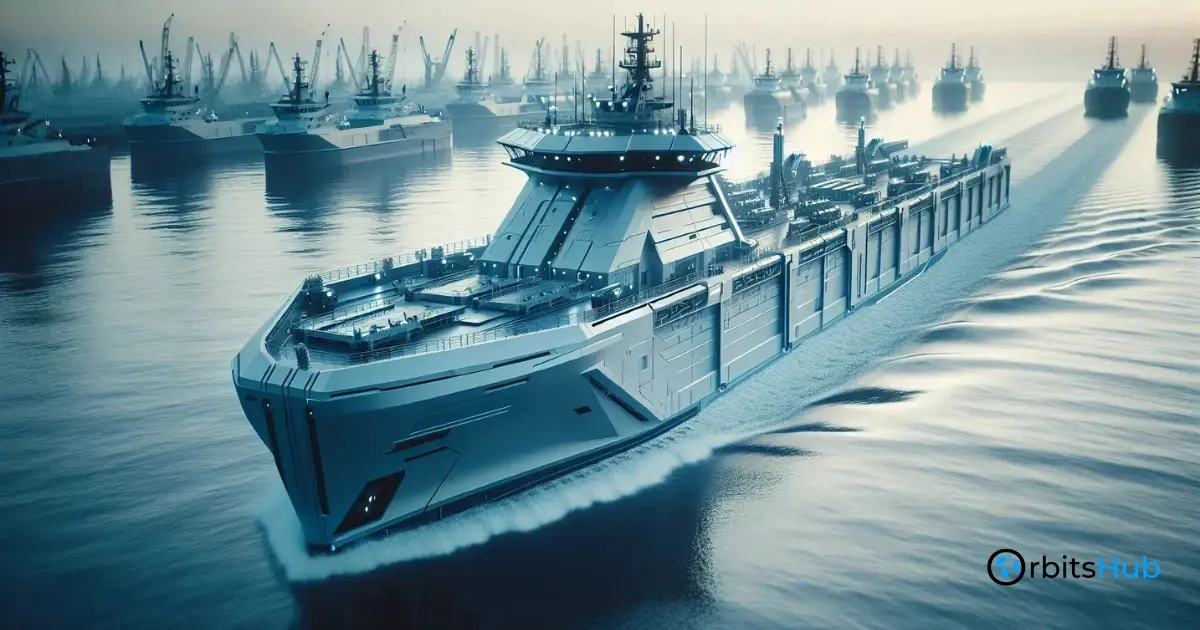
The quest for the perfect waterline length has led to some incredible innovations in ship design. Naval architects are now using advanced computer simulations to model how different hull shapes and lengths interact with water, leading to designs that would have been unimaginable just a few decades ago.
One such innovation is the bulbous bow—a protruding bulb at the front of the ship that extends the waterline length and reduces wave resistance. It’s like giving ships a secret underwater superpower!
The Environmental Impact
But it’s not just about speed and efficiency. In an era of environmental concerns, optimizing waterline length has become a crucial tool in reducing the maritime industry’s carbon footprint.
Did you know that if all large cargo ships increased their waterline length by just 5%, it could reduce global maritime CO2 emissions by millions of tons annually?
The Challenges of Length
However, it’s not all smooth sailing regarding increasing waterline length. Longer ships face challenges:
Challenges with Longer Ships
Port Infrastructure: Many ports aren’t equipped to handle extremely long vessels.
Maneuverability: Longer ships can be more difficult to steer in tight spaces.
Construction Costs: Building longer ships often comes with a higher price tag.
These challenges have led to some creative solutions, like developing twin-skeg designs that improve maneuverability without sacrificing the benefits of a longer waterline.
A Day in the Life of a Naval Architect
Imagine being a naval architect tasked with designing the next generation of efficient cargo ships. You spend your days poring over complex calculations, running simulations, and making minute adjustments to hull designs. It’s a delicate balance between maximizing waterline length for efficiency and ensuring the ship can still dock at major ports worldwide.
“Designing ships is like solving a grand puzzle where physics, economics, and practicality all have to fit together perfectly.” – Dr. Yuki Tanaka, Lead Naval Architect at Global Ship Innovations.
The Future of Waterline Length
As we look to the future, the importance of waterline length in ship design is only set to grow. With advancements in materials science and hydrodynamics, we might soon see ships that can dynamically alter their waterline length based on cargo load and sea conditions. Imagine a ship that can extend its hull like a telescope, adapting to different situations for maximum efficiency!
The Global Impact
The optimization of waterline length isn’t just a matter of ship design—it has far-reaching implications for global trade. More efficient ships mean faster delivery times, lower shipping costs, and potentially, a reduction in the number of vessels needed to transport the same amount of goods.
In 2023, a study by the International Maritime Organization found that improvements in ship design, largely driven by optimized waterline lengths, could lead to a 30% reduction in maritime transport costs by 2040. That’s huge!
Breaking Records
The pursuit of the perfect waterline length has led to some impressive records. In 2022, the MV Gigantic set sail with a waterline length of 400 meters, making it the longest container ship in operation. Its maiden voyage from Shanghai to Rotterdam shaved a full day off the typical transit time, showcasing the real-world benefits of optimized design.
The Human Element
While we’ve talked much about physics and design, let’s not forget the human element. A well-designed ship with an optimized waterline length can mean a more stable and comfortable journey for the crews that operate these vessels. It’s not just about cargo and fuel—it’s about the quality of life for the men and women who spend months at sea.
A Balancing Act
Designing ships is a complex balancing act. Naval architects must consider waterline length and factors like cargo capacity, stability, and fuel efficiency. It’s a multidimensional puzzle where changing one variable affects all the others.
For instance, increasing the waterline length might improve speed, but if not done carefully, it could also reduce cargo capacity. This is where the true art of ship design comes into play—finding that sweet spot where all factors are optimized.
The Role of Technology
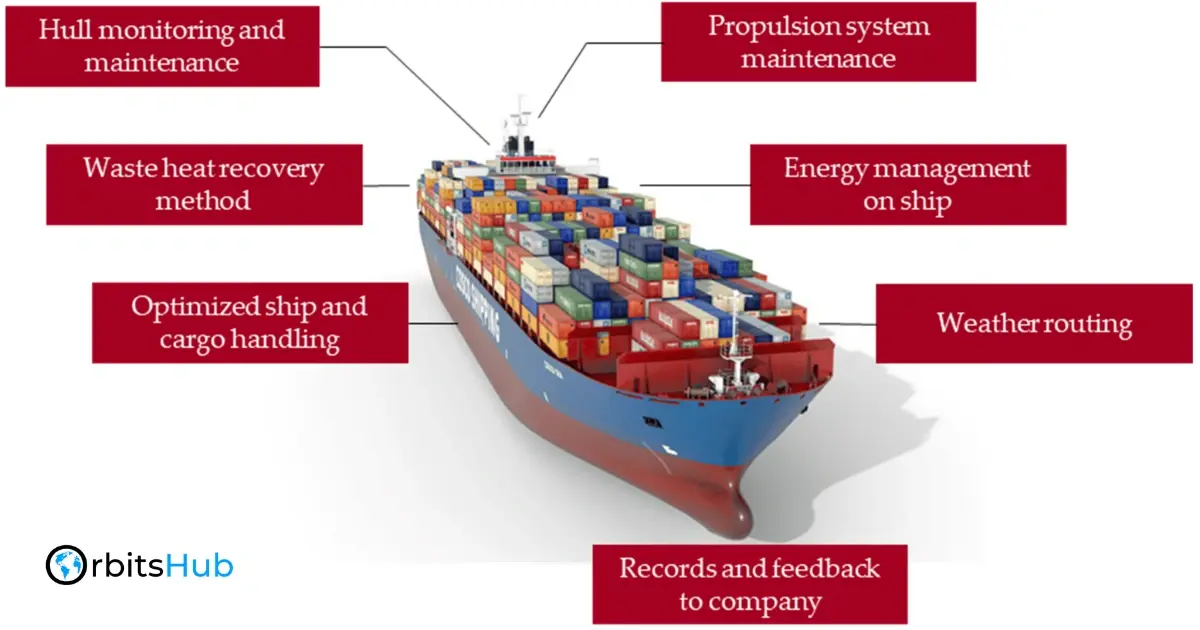
Advanced computer modeling and simulation technologies have revolutionized how we approach waterline length optimization. Today’s naval architects use sophisticated software to simulate thousands of hull designs, testing them against various sea conditions and cargo loads.
These simulations have led to some counterintuitive discoveries. For example, in some cases, a slightly shorter waterline length combined with an innovative hull shape can outperform a longer, more traditional design. It’s a reminder that there’s always room for innovation and surprises in the world of ship design.
The Economic Ripple Effect
The impact of optimized waterline length extends far beyond the shipping industry itself. More efficient ships lead to lower transportation costs, which can ripple throughout the global economy. From the price of imported goods at your local store to the competitiveness of export-driven economies, the humble concept of waterline length plays a role in shaping our economic world.
A Look at Specialized Vessels
While we’ve focused primarily on cargo ships, waterline length is crucial in designing all types of vessels. Racing yachts, for instance, push the limits of waterline length to achieve incredible speeds. On the other hand, icebreaker ships often have shorter, more robust designs to navigate through frozen waters effectively.
Each type of vessel presents its unique challenges and opportunities when it comes to optimizing waterline length. It’s a testament to the versatility and importance of this fundamental concept in marine engineering.
Frequently Asked Questions
A: Waterline length directly influences a ship’s hull speed and wave-making resistance. A longer waterline length generally allows a ship to move more efficiently through water, reducing the energy required to maintain speed. This translates to lower fuel consumption, especially over long voyages. However, it’s important to note that fuel efficiency is also affected by other factors such as hull shape, displacement, and operational conditions.
A: While most ships have a fixed hull length, their effective waterline length can change slightly depending on how they’re loaded. A heavily laden ship sits lower in the water, potentially increasing its waterline length. Some modern designs are exploring concepts of extendable hulls or adjustable bulbous bows that could dynamically alter the effective waterline length. However, these are still experimental and not widely implemented in commercial shipping.