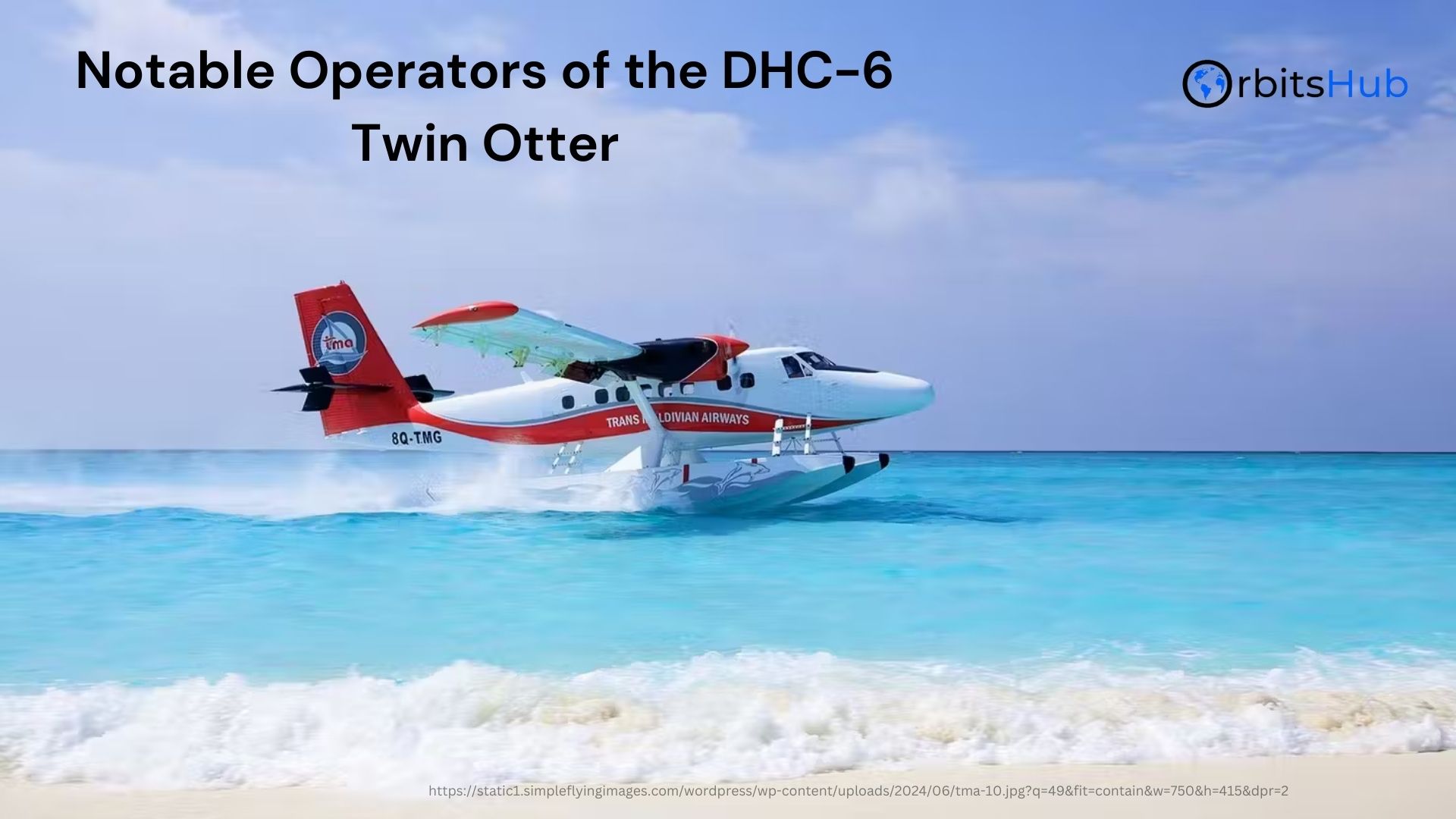
A legendary aircraft with a reputation for dependability, ruggedness, and versatility is the De Havilland Canada DHC-6 Twin Otter. A mainstay of both civilian and military aviation from its maiden flight in 1965, the Twin Otter has seen extensive service. Operators all around the globe choose it because of its reliability and capability to work in harsh conditions, such as tropical jungles and Arctic tundra. This delves into the notable operators of the DHC-6 Twin Otter, highlighting their unique use cases and the impact of this remarkable aircraft on their operations.
Civilian Operators: DHC-6 Twin Otter
Viking Air
Viking Air, based in Canada, is a significant operator and manufacturer of the DHC-6 Twin Otter. After acquiring the type certificate from De Havilland Canada, Viking Air resumed production of the Series 400, incorporating modern avionics and enhancements. This modernised version continues to serve various commercial operators worldwide.
Kenn Borek Air
Kenn Borek Air, also a Canadian operator, is renowned for its extensive use of the DHC-6 Twin Otter in extreme environments. Their fleet of Twin Otters is deployed in polar expeditions, scientific research, and logistics support, particularly in Antarctica. The aircraft’s short takeoff and landing (STOL) capabilities make it ideal for operations on unprepared surfaces like ice and snow.
Trans Maldivian Airways
Most of Trans Maldivian Airways’ fleet consists of DHC-6 Twin Otters, making it one of the biggest seaplane fleets in the world. In the Maldives, these aircraft provide vital air taxi services, connecting tourists to remote island resorts. The Twin Otter’s amphibious capabilities allow it to take off and land on water, making it indispensable for island-hopping in the Indian Ocean archipelago.
Winair
Windward Islands Airways International NV, commonly known as Winair, is based in Sint Maarten and operates several DHC-6 Twin Otters. The airline uses these aircraft for regional flights across the Caribbean, serving destinations with short and challenging runways where larger aircraft cannot operate efficiently.
Grand Canyon Airlines
In the United States, Grand Canyon Airlines employs the DHC-6 Twin Otter for sightseeing tours over the Grand Canyon. The aircraft’s high wings and large windows provide passengers with unobstructed views, enhancing their aerial sightseeing experience.
Military and Government Operators: DHC-6 Twin Otter
Royal Canadian Air Force
The Royal Canadian Air Force (RCAF) has utilised the DHC-6 Twin Otter for various roles, including search and rescue, transport, and utility missions. Its rugged design and reliability in harsh conditions align well with the RCAF’s operational requirements in the vast and often challenging Canadian landscape.
United States Army
The United States Army operates a fleet of DHC-6 Twin Otters for parachute training and other utility roles. The aircraft’s ability to operate from short and unimproved airstrips makes it an excellent choice for military applications requiring versatility and dependability.
Indian Air Force
The Indian Air Force employs the DHC-6 Twin Otter for transport and utility missions, particularly in the challenging terrains of the Himalayas and other remote areas. The aircraft’s STOL capabilities and robust performance in high-altitude conditions make it a valuable asset for the Indian military.
Argentine Air Force
The Argentine Air Force has extensively used the DHC-6 Twin Otter for logistical support in Antarctica. Mission success in the Antarctic depends on the plane’s capability to fly in subzero temperatures and on unprepared surfaces.
Nepal Army Air Service
In Nepal, the Army Air Service relies on the DHC-6 Twin Otter for operations in the country’s mountainous regions. The aircraft’s performance in high-altitude takeoff and landing scenarios is essential for delivering supplies and personnel to remote areas.
Humanitarian and Research Organizations
Mission Aviation Fellowship (MAF)
Mission Aviation Fellowship (MAF) operates the DHC-6 Twin Otter to provide air transport services in remote and underserved regions. The aircraft is used for medical evacuations, delivering supplies, and supporting various humanitarian missions, significantly impacting communities with limited access to infrastructure.
British Antarctic Survey (BAS)
The British Antarctic Survey (BAS) utilises the DHC-6 Twin Otter for research and logistical support in Antarctica. The aircraft’s reliability in extreme cold and ability to land on ice runways make it indispensable for BAS’s scientific missions.
United Nations Humanitarian Air Service (UNHAS)
The United Nations Humanitarian Air Service (UNHAS) employs the DHC-6 Twin Otter to support its operations in conflict zones and disaster-stricken areas. The aircraft’s versatility and ability to operate in austere conditions are vital for delivering aid and personnel to regions with limited access.
Samaritan’s Purse
Samaritan’s Purse, an international relief organisation, uses the DHC-6 Twin Otter to reach remote areas with humanitarian aid. The aircraft’s STOL capabilities enable it to operate from short and unpaved runways, making it a critical tool for disaster response and relief efforts.
Commercial Operators: DHC-6 Twin Otter
Loganair
Loganair, a regional airline based in Scotland, operates the DHC-6 Twin Otter on short-haul routes, including the famous service to the Isle of Barra, where the aircraft lands on a beach airstrip. The Twin Otter’s ruggedness and reliability make it ideal for these unique and challenging operations.
Air Seychelles
Air Seychelles utilises the DHC-6 for inter-island flights, providing essential connectivity between the various islands of the Seychelles archipelago. The aircraft’s ability to operate in tropical climates and on short runways makes it a perfect fit for the region.
PNG Air
In Papua New Guinea, PNG Air employs the Twin Otter to serve remote communities, often operating from unprepared airstrips in the dense jungle terrain. The aircraft’s versatility and performance in challenging environments are crucial for maintaining regional connectivity.
Seaborne Airlines
Seaborne Airlines, based in the Caribbean, uses the DHC-6 for scheduled and charter flights between the islands. The aircraft’s amphibious capabilities allow it to land on water, expanding the range of destinations it can serve in the archipelago.
Aviastar Mandiri
Aviastar Mandiri, an Indonesian airline, operates the Twin Otter in the country’s remote regions, including the mountainous areas of Papua. The aircraft’s STOL capabilities and robust design enable it to serve airstrips that are often inaccessible to larger aircraft.
The DHC-6 Twin Otter‘s widespread use across various sectors underscores its versatility, reliability, and adaptability. From commercial airlines and military forces to humanitarian organisations and research institutes, the Twin Otter connects remote regions and supports vital operations in challenging environments. Its enduring legacy is a testament to its remarkable design and performance. As the DHC-6 Twin Otter continues to serve diverse operators worldwide, its impact on aviation and beyond remains significant and far-reaching.
OrbitsHub provides comprehensive consultancy services in the maritime and aviation sectors. More informative articles and updates will be forthcoming.