A carefully orchestrated dance of maritime commerce unfolds daily in the vast expanse of the world’s oceans. At the heart of this intricate ballet lies the PIL Vessel Schedule—a critical tool that keeps the lifeblood of global trade flowing smoothly. Pacific International Lines (PIL), a titan in the shipping industry, relies on this schedule to navigate the complex waters of international logistics.
The Pulse of Global Trade
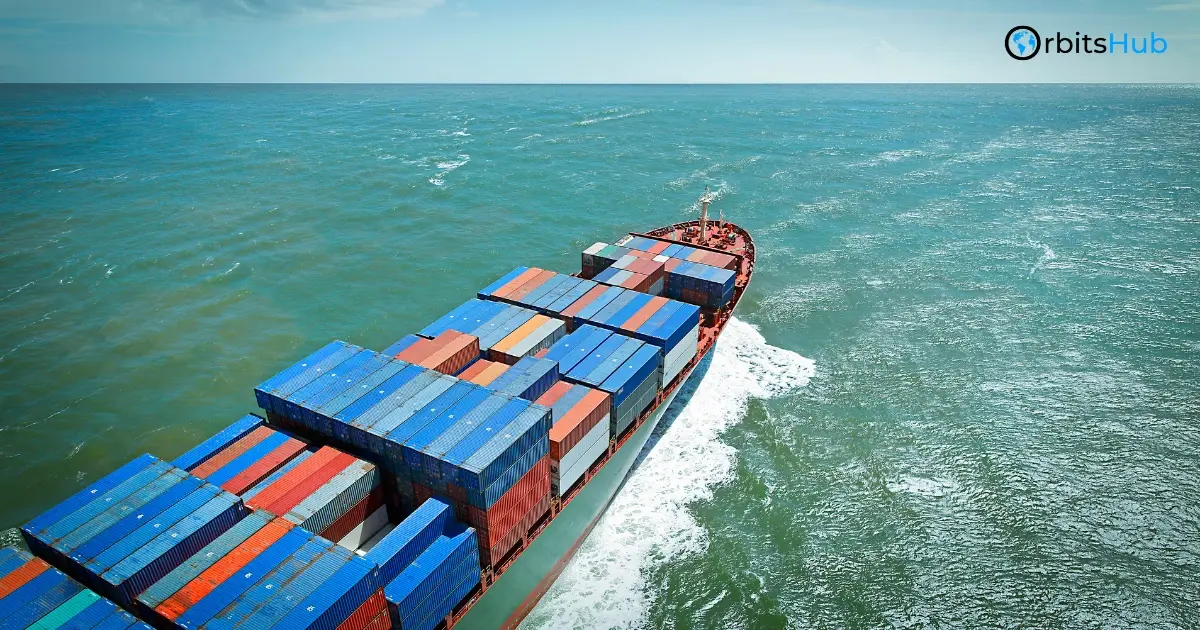
Imagine standing at the bustling port of Singapore, PIL’s home base. The air is thick with the scent of salt and diesel, and the horizon is dotted with massive container ships. Each vessel, a floating city of steel and cargo, moves with purpose, guided by the invisible hand of the PIL Vessel Schedule.
“Our schedule is not just a timetable; it’s the heartbeat of our operations,” says Captain Li Wei, a veteran PIL navigator with 30 years of experience. “Every minute counts in this business!”
And he’s right. In an industry where time is literally money, the precision of PIL’s vessel schedule can mean the difference between profit and loss, success and failure.
A Symphony of Logistics
The PIL Vessel Schedule is a masterpiece of logistical planning. It coordinates the movements of over 100 vessels across more than 500 ports in 90 countries. That’s an astounding 17,000 port calls annually!
But what does this mean in real terms?
These numbers are staggering, but they only tell part of the story. Behind each statistic is a web of interconnected schedules, each vessel’s journey carefully plotted to maximize efficiency and minimize delays.
The Art and Science of Scheduling
Creating the PIL Vessel Schedule is no small feat. It’s a delicate balance of art and science, requiring advanced algorithms and human intuition.
“It’s like solving a giant puzzle,” explains Dr. Sarah Chen, PIL’s Head of Operations Research. “We use cutting-edge AI to crunch the numbers, but there’s still no substitute for human experience when it comes to anticipating potential disruptions.”
Disruptions are a constant threat in the shipping world. From unpredictable weather patterns to geopolitical tensions, the team behind the PIL Vessel Schedule must always be ready to adapt.
A Day in the Life of a PIL Vessel
Let’s follow the journey of the “PIL Lotus,” an 8,000 TEU container ship, as it adheres to the PIL Vessel Schedule:
PIL Vessel Journey Timeline
Port of Shanghai
Departs fully laden with electronics and textiles.
Singapore
Makes a scheduled stop for refueling and partial cargo exchange.
Suez Canal
Navigates through this critical chokepoint in global shipping.
Port of Rotterdam
Arrives and unloads European-bound cargo.
Sets sail for New York
Carries a mix of Asian and European goods.
This journey, meticulously planned in the PIL Vessel Schedule, will take the “PIL Lotus” across three continents and through some of the busiest shipping lanes in the world.
The Human Element
While the PIL Vessel Schedule may seem like a cold, calculated document, it’s important to remember the human lives it touches. From the crew members spending months at sea to the port workers coordinating loading and unloading, countless individuals rely on its accuracy.
“The schedule tells me when I’ll see my family next,” shares First Mate Rajesh Patel. “It’s more than just a work timetable; it’s a promise of when I’ll be home.”
Navigating Challenges
The maritime industry faces numerous challenges, and the PIL Vessel Schedule must evolve to meet them:
- Environmental Concerns: With increasing focus on reducing carbon emissions, PIL has implemented slow steaming practices, adjusting schedules for more fuel-efficient speeds.
- Port Congestion: Major ports often face bottlenecks. The PIL schedule includes buffer times to account for potential delays.
- Piracy Threats: In high-risk areas like the Gulf of Aden, vessels may need to take longer routes or travel in convoys, impacting schedules.
Despite these challenges, PIL has maintained an impressive 85% on-time arrival rate, a testament to the robustness of its scheduling system.
The Future of Maritime Scheduling
As we look to the future, the PIL Vessel Schedule is set to become even more sophisticated. Emerging technologies like blockchain and the Internet of Things (IoT) promise to revolutionize how schedules are created and maintained.
This future vision paints an exciting picture of even greater efficiency and reliability in global shipping.
The Global Impact
The importance of the PIL Vessel Schedule extends far beyond the company itself. In our interconnected world, the smooth operation of shipping lines like PIL is crucial for global economic stability.
Consider this: a delay in delivering electronic components from Asia could halt European production lines, leading to job losses and economic ripples across continents. The PIL Vessel Schedule, therefore, isn’t just a corporate tool—it’s a linchpin in the machinery of global commerce.
Technological Advancements in Schedule Management

The evolution of the PIL Vessel Schedule is closely tied to technological advancements in the maritime industry. PIL has been at the forefront of adopting cutting-edge technologies to enhance the accuracy and flexibility of its scheduling system.
- AI and Machine Learning: Predictive algorithms now analyze historical data, weather patterns, and real-time port conditions to forecast potential delays and suggest optimal routes.
- Satellite Communication: Advanced satellite systems enable constant communication with vessels, allowing for real-time schedule updates and course corrections.
- Digital Twin Technology: PIL is experimenting with creating digital twins of its vessels and routes, which will allow sophisticated simulations to optimize schedules before implementation.
These technological innovations are not just improving efficiency; they’re revolutionizing the entire concept of maritime scheduling. As Captain Wei notes, “What once took days of planning can now be adjusted in minutes. It’s like having a crystal ball for shipping!”
Frequently Asked Questions
A: The PIL Vessel Schedule is a living document, updated in real time to reflect changing conditions. However, major revisions are typically made weekly to ensure stability for customers and partners.
A: Absolutely. Weather is one of the most unpredictable factors in maritime operations. PIL employs a team of meteorologists who work closely with the scheduling department to anticipate and mitigate weather-related disruptions. In cases of severe weather, safety always takes precedence over scheduling.