Understanding Plow Anchors

Plow anchors, also known as plough anchors, are characterized by their distinctive shape reminiscent of agricultural plows. These anchors boast a concave fluke design that facilitates deep penetration into the seabed. The unique geometry allows for superior holding power and self-righting capabilities, making them a preferred choice for diverse maritime applications.
The genesis of plow anchors can be traced back to the mid-20th century. Their development was spurred by the need for more efficient anchoring systems in the burgeoning offshore oil industry. Over time, the design has undergone numerous iterations, each refining the anchor’s performance and versatility. Today, plow anchors stand as a testament to maritime engineering prowess, embodying decades of innovation and practical experience.
Key Advantages of Plow Anchors
Plow anchors excel in their holding power, a critical attribute in anchoring systems. Their unique design allows them to dig deep into the seabed, creating a formidable resistance against lateral forces. This tenacity is particularly advantageous in challenging weather conditions, where lesser anchors might falter.
The versatility of plow anchors is equally noteworthy. These anchors demonstrate remarkable adaptability across various seabed compositions, from soft mud to rocky substrates. This universal applicability eliminates the need for multiple anchor types, streamlining onboard equipment and simplifying anchoring procedures.
How Plow Anchors Work
The mechanics of setting a plow anchor involve a fascinating interplay of forces. As the vessel drifts or reverses, the anchor’s shank tilts, causing the fluke to dig into the seabed. The more tension applied, the deeper the anchor burrows, creating a self-reinforcing hold.
The anchor’s design plays a pivotal role in this process. The concave fluke shape maximizes surface area contact with the seabed, while the weighted tip ensures proper orientation during deployment. Some models incorporate a roll bar, further enhancing the anchor’s self-righting capabilities in challenging conditions.
Types of Plow Anchors
The dichotomy between stainless steel and galvanized plow anchors presents a crucial decision point for boaters. Stainless steel anchors offer superior corrosion resistance and aesthetic appeal, making them ideal for vessels where appearance is paramount. Conversely, galvanized anchors provide robust performance at a more economical price point, albeit with a shorter lifespan in saltwater environments.
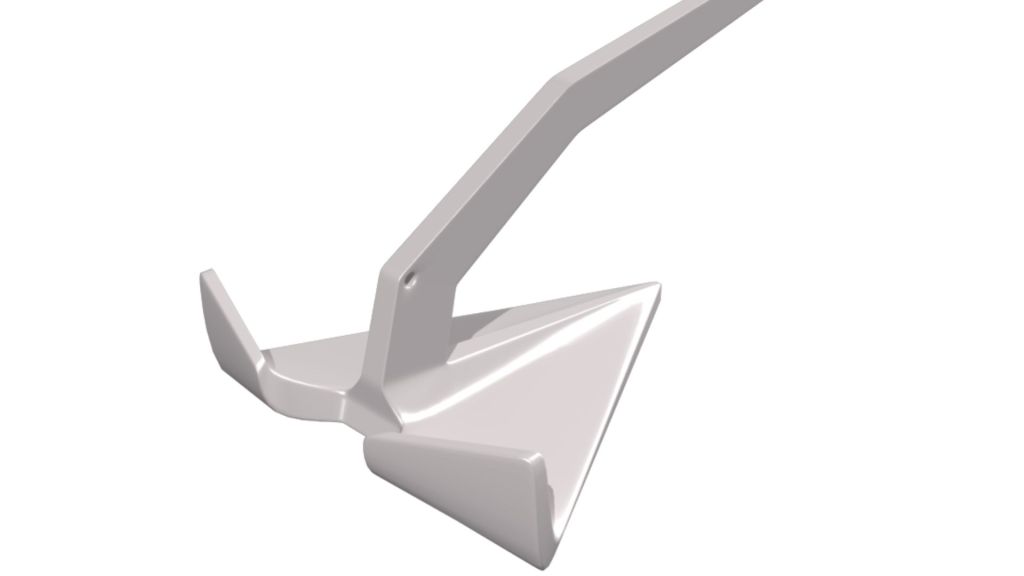
Fluke design variations further differentiate plow anchors. Some models feature a single fluke for maximum penetration, while others employ a twin-fluke design for enhanced stability. The choice often depends on the primary anchoring conditions encountered and personal preference.
Selecting the Right Plow Anchor
Choosing an appropriate plow anchor necessitates careful consideration of size and weight. The anchor’s mass should be proportional to the vessel’s displacement, typically ranging from 1 to 2 pounds per foot of boat length. However, factors such as windage and typical sea conditions may necessitate adjustments to this general rule.
Compatibility with different vessels is another crucial factor. The anchor’s design should complement the bow roller configuration and allow for easy retrieval and storage. Additionally, consideration must be given to the vessel’s intended use, be it coastal cruising or offshore voyaging.
Installation Tips
Installing a plow anchor requires meticulous attention to detail. Begin by ensuring the anchor roller is appropriately sized and positioned. Attach the anchor to a suitably rated chain, typically 5-10 feet in length, followed by nylon rode. The rode length should be at least 7 times the maximum anchoring depth for optimal performance.
Common pitfalls in anchor installation include undersized hardware, improper chain-to-rode splices, and inadequate tensioning systems. Avoiding these errors is crucial for ensuring the anchor system’s reliability and longevity.
Maintenance and Care
Regular maintenance is imperative for preserving the efficacy of plow anchors. Conduct routine inspections of the anchor, chain, and rode for signs of wear or corrosion. After each use, rinse the anchor system with fresh water to remove salt and debris.
To prolong the anchor’s lifespan, consider applying a protective coating to galvanized models. Store the anchor in a dry location when not in use, and periodically lubricate moving parts such as shackles and swivels.
Case Studies
Plow anchors have proven their mettle in numerous real-world scenarios. One notable instance involved a 45-foot sailboat weathering a unexpected storm off the coast of New Zealand. The vessel’s plow anchor held fast in 50-knot winds and 15-foot seas, exemplifying the anchor’s exceptional holding power.
Experienced mariners frequently laud the reliability of plow anchors. Captain Sarah Thompson, a veteran of transatlantic voyages, states, “In my 30 years at sea, I’ve never found an anchor as dependable as a well-sized plow. It’s set-and-forget reliability gives me peace of mind in any anchorage.”
Plow anchors represent the pinnacle of anchoring technology, offering unparalleled holding power and versatility. Their ability to perform consistently across diverse seabeds and weather conditions makes them an invaluable asset for any mariner.
For prospective buyers, the investment in a quality plow anchor is an investment in safety and peace of mind. When selecting an anchor, prioritize appropriate sizing, material quality, and compatibility with your vessel and intended use. With proper installation and maintenance, a plow anchor will serve as a steadfast companion on countless nautical adventures.