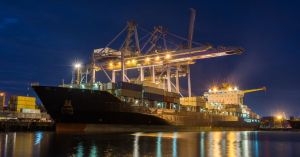
Port cranes play a crucial role in the container shipping and logistics industry. These powerful machines are responsible for efficiently loading and unloading containers from ships, trucks, and railcars, ensuring a smooth cargo flow worldwide. Here, we will explore the different types of port cranes used in container shipping and logistics, their functionalities, and their vital role in the industry.
The container shipping and logistics industry heavily relies on port cranes to facilitate the movement of containers efficiently. These cranes are designed to handle the heavy lifting required for loading and unloading containers from various modes of transportation. By utilizing different types of cranes, the industry can ensure faster turnaround times, improved productivity, and enhanced safety measures.
Overhead Cranes
One standard port crane used in container shipping is the overhead crane, also known as a bridge crane. These cranes consist of an overhead trolley connected to a hoist, allowing them to move along a bridge structure. Overhead cranes are primarily used for loading and unloading containers from trucks and railcars and stacking containers in storage yards.

Gantry Cranes
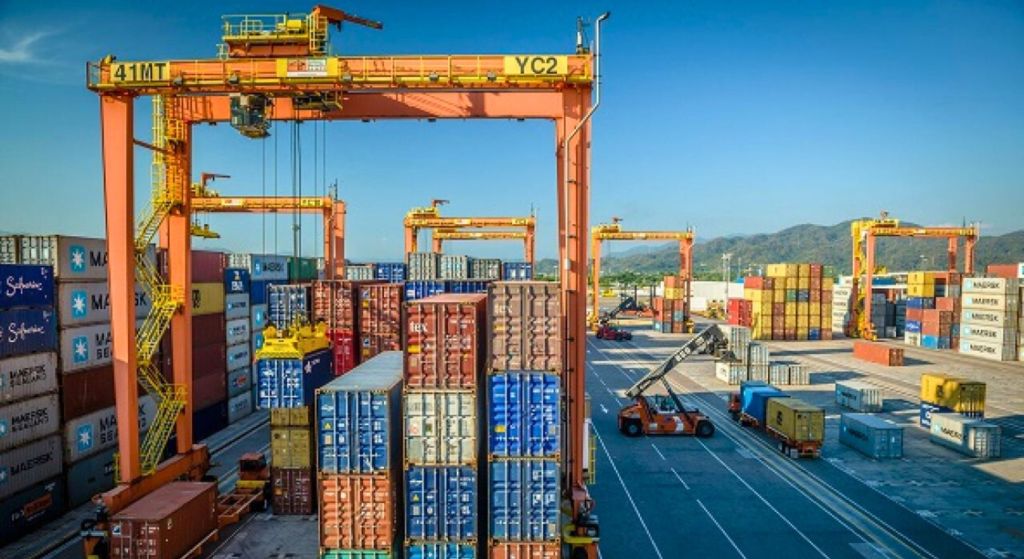
Container yards frequently employ gantry cranes for handling and storing containers. These cranes transport containers from one place to another using an overhead bridge and rails set into the ground. There are two main gantry cranes: rail-mounted gantry cranes (RMGs) and rubber-tired gantry cranes (RTGs). RMGs are fixed to the ground and offer stability for handling heavy loads, while RTGs are more flexible and can operate on various surfaces.
Ship-to-Shore Cranes
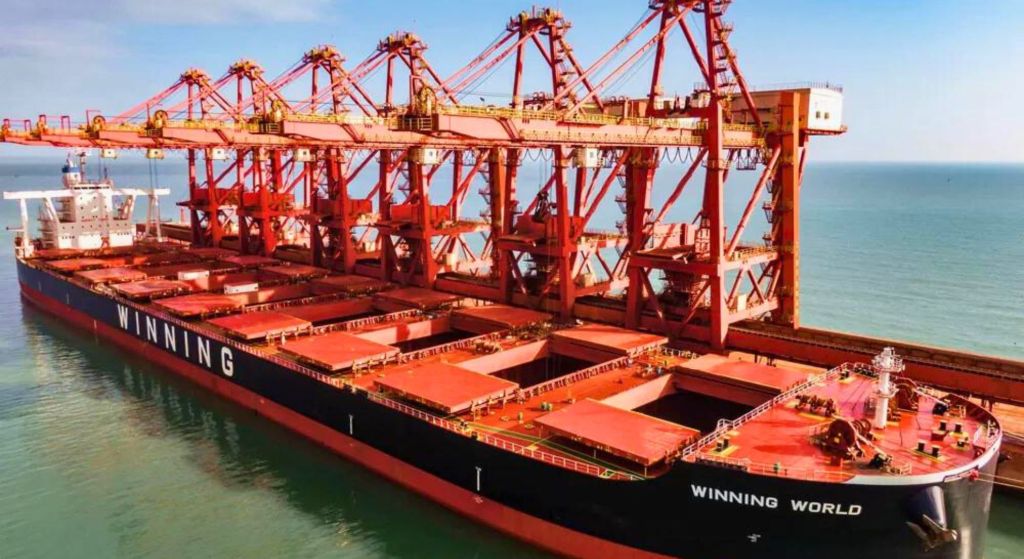
Ship-to-shore or STS cranes are specifically designed to load and unload containers from ships. These cranes are located at terminals and can handle containers of different sizes and weights. STS cranes can be mobile harbor cranes, which can move from one ship to another, or fixed cranes permanently installed at the terminal. They use hydraulic and electrical systems to move containers between vessels and terminals.
Mobile Cranes
Mobile cranes are versatile machines used for various container shipping and logistics tasks. These cranes are mounted on vehicles and consist of a telescopic boom and a cabin. They are best suited for smaller yards and can handle containers of different sizes. Mobile cranes can be driven to other locations, allowing for flexibility in stacking containers and completing repairs and construction tasks.
Floating Cranes
Floating cranes are essential in ports and terminals for loading and unloading containers from large ships. These cranes are mount on floating platforms, which can be maneuver into position next to the boat. Floating cranes are particularly useful for handling containers too large for traditional cranes. They are also utilize in shipbuilding and the assembly of offshore structures.
Rail-Mounted Cranes
Rail-mounted cranes are specialize cranes design for loading and unloading containers from railcars. These cranes are commonly use in rail yards and ports. They are mount on tracks and can move along the rail system to facilitate container handling operations.
Rail-mounted cranes offer a high level of versatility and efficiency in handling cargo, as they can easily traverse the rail network to reach different loading and unloading points. Their sturdy construction and precise control mechanisms make them indispensable in managing the flow of goods at transportation hubs. Additionally, their ability to handle heavy loads with precision makes them essential equipment for optimizing logistical operations in rail yards and ports worldwide.
Container Lifting Techniques
Port cranes use various mechanisms, such as spreaders and hooks, to lift containers. Spreader mechanisms are design to attach and lock onto the corners of a shipping container, allowing for secure lifting and transportation. Different types of spreaders are use depending on the size and weight of the containers. Hooks are also use for lifting containers, mainly when spreaders are unsuitable.
The Future of Port Crane Technology
- Automation and AI: Automation changes port crane operation. How will AI affect crane technology?
- Remote control operations: Discuss the potential of remotely controlled cranes for increased safety and efficiency.
- Data integration and optimization: How can real-time data collection and analysis optimize port crane operations and improve logistics efficiency?
Factors to Consider When Choosing a Port Crane
When selecting a port crane, several factors need to be consider. These include the crane’s lifting capacity, reach, height, and speed. The specific requirements of the container shipping and logistics operations should be consider, such as the size and weight of the containers to be handle and the available space and infrastructure at the port or terminal.
Innovations in Port Crane Technology
The port crane industry is continuously evolving, with ongoing advancements in technology. Automation, remote control systems, and real-time data monitoring are becoming increasingly prevalent, improving container handling operations’ efficiency and safety. These innovations streamline processes, reduce human error, and optimize productivity.
Safety Measures and Regulations
Safety is of paramount importance in the container shipping and logistics industry. Strict safety measures and regulations are in place to ensure the well-being of workers and the proper handling of cargo. Port crane operators must undergo specialized training and certification to operate these powerful machines safely. Additionally essential to ensuring the cranes are performing at their best are routine inspections and maintenance.

FAQ’s
1. What are port cranes used for?
Port cranes are use in ports and harbors to load and unload cargo from ships. They are essential in facilitating the movement of goods between vessels and land-based transport systems.
2. How do port cranes work?
Port cranes typically consist of a tall structure with a horizontal boom and a trolley system. The crack lowers a hook or container spreader onto the cargo, which is lift and move horizontally using the trolley. The shipment can be place onto trucks trains or stored in a designate area.
3. What types of port cranes are there?
There are several types of port cranes, including ship-to-shore (STS) cranes, mobile harbor cranes (MHCs), gantry cranes, and container cranes. Each class is design for specific purposes and has unique capabilities.
4. Are port cranes customizable?
Yes, port cranes can be customize to meet specific requirements. Factors such as lifting capacity, outreach, and height can be adjust based on the needs of a particular port. This allows for greater efficiency and adaptability in handling different types of cargo.
5. What are the benefits of using port cranes?
Using port cranes offers several benefits, such as increased productivity, faster ship turnaround times, and reduced labor costs. They also improve safety by minimizing manual cargo handling and provide the flexibility to handle various types of goods, including containers, bulk cargo, and heavy machinery.
Port cranes are indispensable in the container shipping and logistics sector, enabling the efficient movement of containers across different modes of transportation. From overhead cranes to ship-to-shore cranes, each type of crane serves a specific purpose and contributes to the overall smooth operation of the industry. As technology advances, the future of port cranes looks promising, with further innovations expected to enhance efficiency, safety, and sustainability.
Container shipping and logistics stakeholders can make well-informed decisions to streamline operations and offer dependable services to their customers by being aware of the many kinds of port cranes and their features.