The Rich History of Port of Cork

From Ancient Trading Post to Modern Marvel
The story of the Port of Cork stretches back over a millennium, to a time when Viking longships first navigated the waters of Cork Harbour. This natural deepwater port quickly became a hub for trade and commerce, its strategic importance recognized by successive generations of merchants and mariners.
As centuries passed, the Port of Cork evolved from a modest trading post into a cornerstone of Ireland’s maritime infrastructure. Its journey mirrors the ebb and flow of Irish history, reflecting the nation’s struggles, triumphs, and aspirations.
Pivotal Moments in Port of Cork’s Evolution
The Port of Cork’s ascent to prominence is marked by several key milestones:
- 1813: Establishment of the Harbour Commissioners, formalizing port management
- 1850s: Construction of Penrose Quay, expanding cargo handling capabilities
- 1920s: Development of Cobh as a major transatlantic liner terminal
- 1970s: Introduction of roll-on/roll-off (Ro-Ro) facilities
- 2000s: Major redevelopment projects to enhance capacity and efficiency
Each of these developments propelled the Port of Cork forward, solidifying its position as a world-class maritime facility.
Current Operations and Capabilities
State-of-the-Art Cargo Handling Facilities
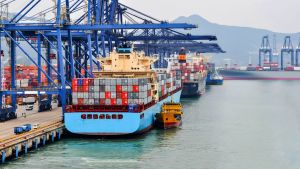
The Port of Cork now has state-of-the-art facilities that can handle a wide range of goods. From bulk and break-bulk to containerized goods, the port efficiently manages an impressive volume of trade.
Did you know that the Port of Cork handles approximately 10 million tonnes of cargo annually? This remarkable feat underscores the port’s significance to Ireland’s economy. Advanced equipment and a skilled workforce ensure swift turnaround times, keeping the flow of goods moving smoothly.
Passenger Services and Cruise Terminal Excellence
Beyond its cargo operations, the Port of Cork serves as a vibrant hub for passenger traffic. Its state-of-the-art cruise terminal in Cobh welcomes luxury liners from around the world, bringing a steady stream of tourists to Ireland’s southern shores. The port’s ferry services also provide crucial links to the UK and continental Europe, facilitating both leisure and business travel.
Economic Significance of Port of Cork
Driving Regional Growth and Employment
The Port of Cork acts as a powerful economic engine for the region. It directly employs hundreds of people, but its impact extends far beyond the dockside. Consider the port as the center of a vast economic web, with strands reaching into every corner of the local economy.
Hotels, restaurants, transport companies, and myriad other businesses thrive on the activity generated by the port. This symbiotic relationship fuels Cork’s prosperity and contributes significantly to the region’s economic vitality.
Facilitating Ireland’s International Trade
On a national scale, the Port of Cork plays a crucial role in facilitating Ireland’s global trade. By providing efficient access to international markets, the port empowers Irish businesses to compete on the world stage. From agricultural products to pharmaceuticals, the Port of Cork serves as a vital conduit for Ireland’s exports and imports.
Infrastructure Developments and Expansion Plans
Cork Harbour 2050: A Vision for the Future
The Port of Cork isn’t content to rest on its laurels. The ambitious Cork Harbour 2050 plan outlines a bold vision for the port’s future, anticipating the needs of a growing economy and evolving trade patterns. This forward-thinking approach ensures that the Port of Cork will continue to serve Ireland effectively for decades to come.
Key elements of the plan include:
- Expansion of deepwater berths
- Enhanced land utilization
- Improved transport links
- Integration of smart port technologies
Sustainability and Environmental Initiatives
In a time when people are becoming more aware of the environment, the Port of Cork is the leader in running a healthy port. From investing in renewable energy to implementing stringent waste management protocols, the port demonstrates a strong commitment to reducing its ecological footprint.
One notable initiative involves the use of shore power for docked vessels, significantly reducing emissions in the harbor. This project exemplifies how modern ports can balance economic imperatives with environmental responsibility.
Navigating Challenges in a Changing World
Adapting to Post-Brexit Realities
The UK’s departure from the EU has presented new challenges for the Port of Cork. Changes in customs requirements and potential trade disruptions have necessitated rapid adaptations. However, the port has risen to the challenge, implementing innovative systems to streamline post-Brexit processes and maintain efficient operations.
Addressing Environmental Concerns
Balancing growth with environmental protection remains an ongoing challenge. The port must navigate strict regulations while maintaining operational efficiency. The Port of Cork keeps tackling these issues head-on by coming up with new ideas and making a promise to be environmentally friendly.
Port of Cork’s Cultural Impact

Maritime Heritage and Community Connections
The Port of Cork represents more than just an economic asset – it stands as a cultural icon. The port’s maritime heritage is deeply woven into the fabric of Cork’s identity, from the historic town of Cobh to the annual Cork Harbour Festival.
The port authority actively engages with the community through educational programs, heritage projects, and public events. These initiatives foster a strong sense of connection between local residents and their historic port, preserving maritime traditions for future generations.
Technological Advancements and Innovation
Embracing Digital Transformation
The future of the Port of Cork is intrinsically linked with technological innovation. From AI-powered logistics systems to blockchain-based documentation, cutting-edge technologies are set to revolutionize port operations. The Port of Cork positions itself at the forefront of this maritime tech revolution, ensuring it remains competitive in the digital age.
Preparing for the Future of Maritime Trade
As global trade dynamics shift, the Port of Cork maintains its agility. The rise of e-commerce, changes in energy markets, and evolving supply chain strategies all present both challenges and opportunities. By staying attuned to global trends, the Port of Cork readies itself to adapt and thrive in an ever-changing world.
The Port of Cork stands as a shining example of how a maritime facility can drive national prosperity, preserve cultural heritage, and champion sustainable practices. As it continues to evolve and adapt, the Port of Cork remains steadfast in its core mission: serving as Ireland’s southern gateway to the world. The Port of Cork’s story continues to unfold, with its most exciting chapters yet to be written.