
Geographical Location and Overview

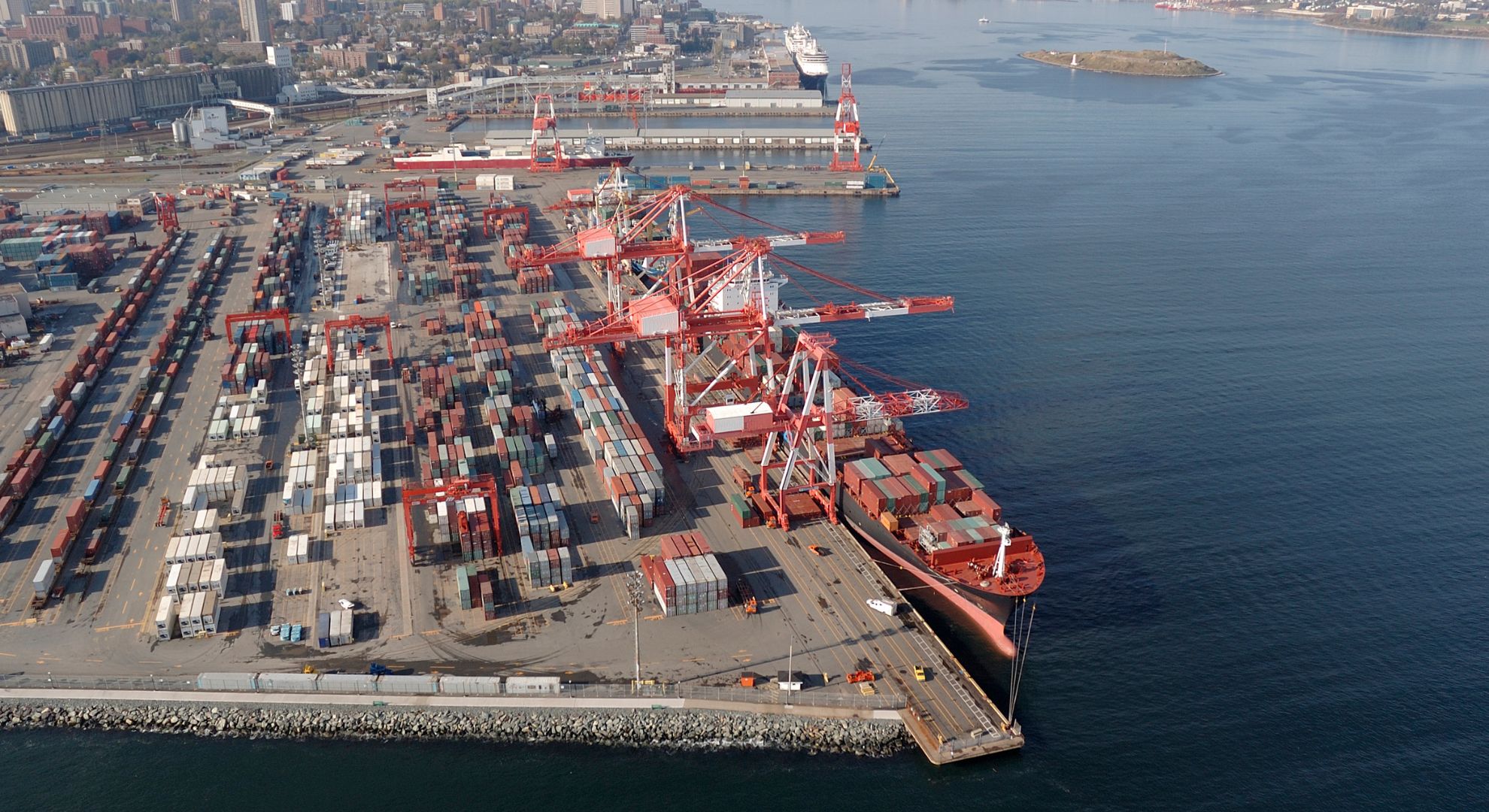
Situated on Canada’s eastern coast, the Port of Halifax is positioned in Halifax Harbour in Nova Scotia. It spans a land area of 10 km^2 and oversees 150 km^2 of water. Its coordinates are 44°38′10″N 63°33′04″W, with the UN/LOCODE being CAHAL. The harbor is a natural one, with a size of a whopping 15,000 hectares.
The port is strategically located as North America’s first inbound and last outbound gateway. It boasts a naturally deep, wide, ice-free harbor with minimal tides. Because of its advantageous location, it is one day closer to Southeast Asia (through the Suez Canal) and two days closer to Europe than any other East Coast port in North America.
Facilities and Operations
Various port facilities in the Halifax Harbour contribute to the operations of the Port of Halifax. These include the South End Container Terminal, Ocean Terminals, Halifax Seaport, Halifax Grain Elevator, Richmond Terminals, and Fairview Cove Container Terminal.
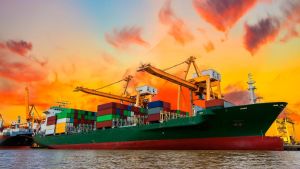
One of the few ports on the East Coast that can accommodate and service fully loaded post-Panamax container ships using the latest technology, this port has 34 berths and a draft depth of 16.8 m. It also has an annual cargo tonnage of 4,454,707 and an annual container volume of 546,691 twenty-foot equivalent units (TEU).
Halifax is one of the top four container ports in Canada in terms of volume of cargo handled, with over 1,500 vessels passing through each year.
Economic Impact
The Port of Halifax plays a significant role in the local and national economy. It generates 13,600 jobs and contributes $2.45 billion in direct Nova Scotia economic output through its operations and Nova Scotia exporters.
The port facilitates the delivery of a wide variety of goods because it is linked to every market in North America and more than 150 countries globally. It is a critical part of the supply chain, moving goods from producer to consumer and vice versa.
History and Development
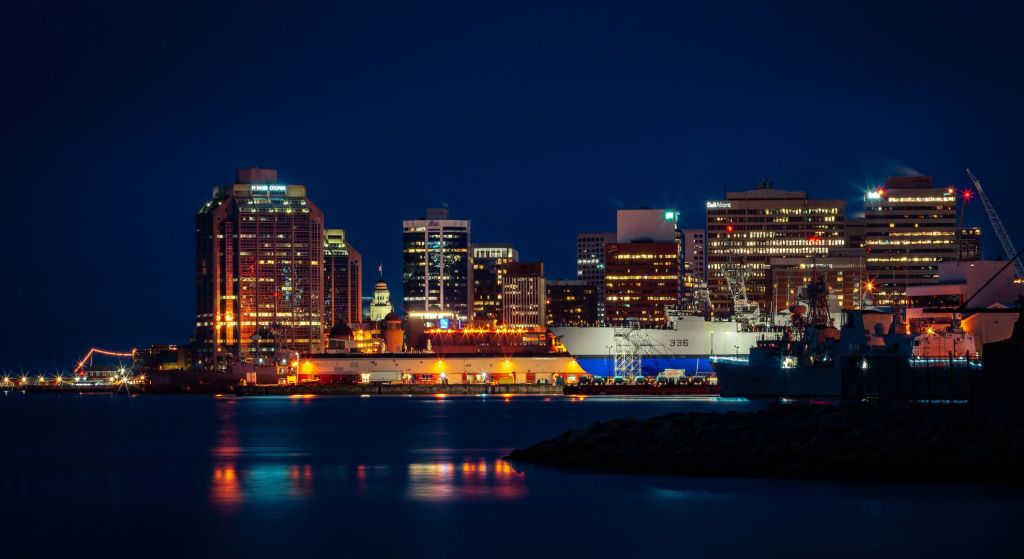
The history of the Port of Halifax dates back to the early 20th century. After the Royal Navy withdrew from Halifax in 1905, the dockyards were handed over to the Government of Canada, marking the beginning of the port’s development.
The government initiated the Ocean Terminals project before World War I, building a new railway through the city’s South End to service the modern piers. Shipping grew sharply during World War II, and the South End Container Terminal was opened in 1969, marking the beginning of the containerization revolution of shipping.
The port has since undergone several expansions and improvements, including the opening of a second container terminal at Fairview Cove in 1982 and the deepening of the Fairview Cove Container Terminal berth depth to 16.8 meters in 2005.
In 2019, PSA International completed its acquisition of the former Halterm south-end container terminal from Macquarie Group. In 2021, the 16,020-TEU CMA CGM Explorer-class container ships made their inaugural visits to the PSA south-end terminal.
Administration
The Halifax Port Authority (HPA), a federally regulated Crown corporation of the Government of Canada, owns many of the major port facilities. The HPA was created on March 1, 1999, succeeding the Halifax Port Corporation (HPC). The HPC was itself the successor to the National Harbours Board, which operated all federally owned ports in Canada.
Cruise Ship Operations
The Halifax seaport is well-known as a cargo hub and a stop for cruise ships from all over the globe. In 2019, the Port of Halifax welcomed 179 cruise vessel calls with over 323,000 passengers aboard. It is estimated that cruise passengers alone contribute about $172 million to Halifax’s economy every year.
Community Engagement
The Port of Halifax is deeply involved in community activities and initiatives. It aims to help local organizations that are making a difference in the community and need support. Registered charities and non-profits can contact the port for application forms to avail of this assistance.
Online Presence and Digital Reach
The Port of Halifax maintains a robust online presence, with active accounts on social media platforms such as Facebook. This digital reach allows them to connect with their followers and the general public, keeping them updated on the latest news and developments.
Real-time Information and Vessel Tracking
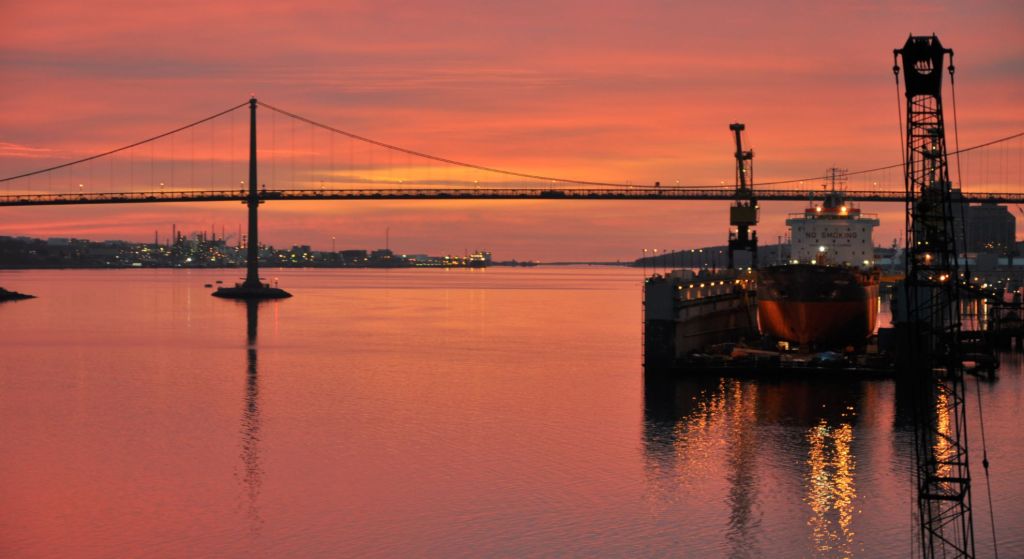
The Port of Halifax provides real-time information regarding vessels in port, departures, expected arrivals, and arrivals in the last 24 hours. This information is available on various maritime tracking websites, providing accurate data to stakeholders and the public.
Touristic Appeal and Cultural Significance
The Port of Halifax is not just a commercial hub; it also holds cultural significance and touristic appeal. Numerous museums can be found in the historically significant area surrounding Pier 21, including the Canadian Museum of Immigration and the Maritime Museum of the Atlantic. These establishments showcase the port’s role in key historical events, such as World War II and the Titanic tragedy.
Future Prospects and Objectives
As a dynamic and forward-looking entity, the Port of Halifax is continuously seeking ways to enhance its operations and services. It collaborates with stakeholders and community organizations to prepare for the future, fostering innovation and sustainable practices.
The Port of Halifax is more than just a port. It is a vibrant, multifaceted entity that not only facilitates trade and commerce but also contributes significantly to the local and national economy. Its rich history, strategic location, diverse facilities, and commitment to community engagement make it a vital asset for Canada and a significant player in the global maritime industry. As it continues to evolve and adapt to meet future challenges, the Port of Halifax remains steadfast in its mission to connect people, commerce, and opportunities.