Port Overview
The Port of Halifax spans an impressive 10 square kilometers of land and takes care of 150 square kilometers of water. Its harbor is one of the few on the eastern seaboard that can accommodate and service fully laden post-Panamax container ships. Geographically, the port is unparalleled among North American East Coast ports; no other port is two days closer to Europe and one day closer to Southeast Asia (through the Suez Canal).
With 17 of the world’s top shipping lines calling the port, the Port of Halifax is connected virtually to every market in North America and over 150 countries worldwide. The port is a hub for the delivery of all types of cargo and annually handles over 1,500 vessels, generating 15,000 jobs and contributing $2 billion to the economy.
History of Port of Halifax
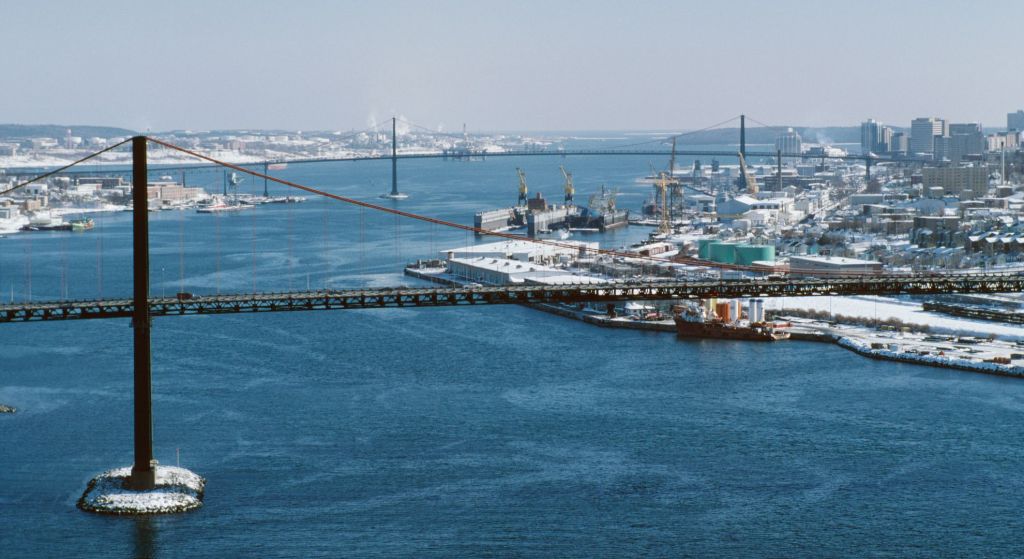
The Port of Halifax has a rich history that has shaped its current operations. After the Royal Navy withdrew from Halifax in 1905, the dockyards were transferred to the Government of Canada. The modernization of the port began prior to World War I with the Ocean Terminals project. A new railway was built through the city’s South End to service the modern piers, the first of which opened in the early 1920s. Shipping grew sharply during World War II.
The advent of shipping containerization led to the development of a container terminal in Halifax. The South End Container Terminal opened in 1969 at the former site of the Seaward Defence Base. By the late 1970s, the South End Container Terminal was operating at capacity, leading to the construction of a second container terminal at Fairview Cove, which opened in 1982.
The port has continuously upgraded its facilities, recognizing the need to keep up with evolving shipping technology. A substantial expansion of the South End Container Terminal was finished in 2012, and the berth depth of the Fairview Cove Container Terminal was deepened in 2005.
Administration and Facilities
The Halifax Port Authority (HPA), a federally regulated Crown corporation, owns many of the port’s major facilities. The HPA is responsible for managing 260 acres of federally owned marine industrial land in Halifax Harbour.
The port’s facilities include the South End Container Terminal, Ocean Terminals, Halifax Seaport, Halifax Grain Elevator, Richmond Terminals, Richmond Offshore Terminals, Fairview Cove Container Terminal, and the Sheet Harbour Industrial Port. There are also major port facilities not owned or administered by the HPA, such as the National Gypsum Wharf, Woodside Atlantic Wharf, Imperial Oil Wharves, and Autosport.
Cruise Ships at the Port of Halifax
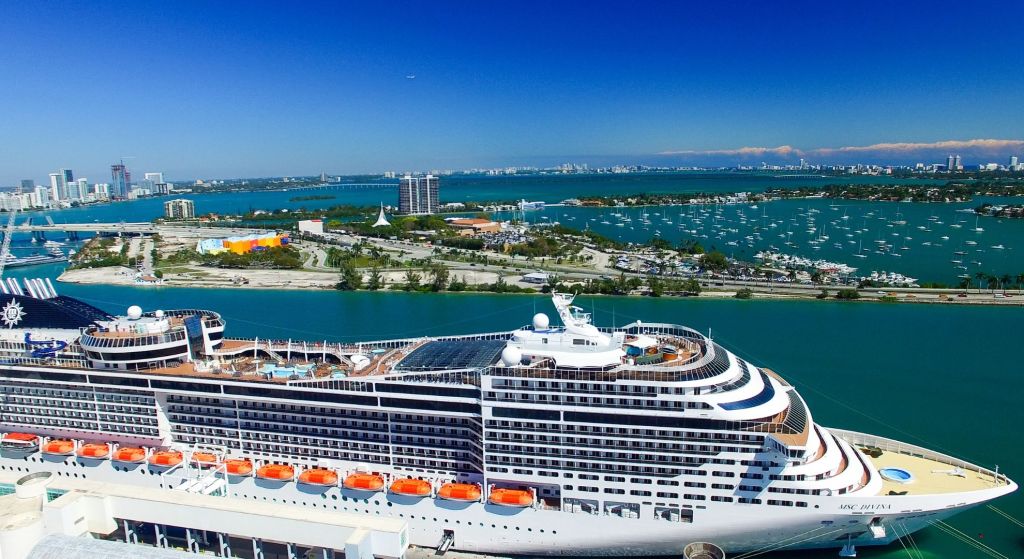
The Port of Halifax is not only a major hub for cargo but also a popular stop for cruise ships from all over the globe. In 2019, the port had 179 cruise vessel calls with over 323,000 passengers aboard. These cruise passengers contribute about $172 million to Halifax’s economy annually.
In addition to being one of the world’s largest natural harbors for breakbulk, bulk, roll-on/roll-off, containerized, and project cargoes, the Halifax seaport has been recognized for its outstanding port welcome.
Community Engagement
The Port of Halifax is not just a hub for international trade; it is also a significant part of the local community. It regularly works with local organizations to improve the lives of the local populace. Registered charities and non-profits can reach out to the Port of Halifax for support, underscoring its commitment to community engagement.
Weather and Port Restrictions
The Port of Halifax operates as an all-weather port, free of ice in winter. The maximum draft is 16.8 meters, accommodating container vessels with this depth. The port is also capable of handling VLCCs with a maximum DWT of 250,000 and a draft of 18 meters.
Planned Vessels and Cargo

The Port of Halifax continuously handles a wide range of cargoes. Planned vessels often carry diverse cargoes such as pipes and wood pellets. The port’s connection to the global shipping network ensures a steady stream of vessels carrying various goods.
The Port of Halifax stands as a testament to strategic planning and continuous adaptation to the ever-evolving maritime industry’s demands. As one of Canada’s top container ports, it plays an integral role in global trade while significantly contributing to the local economy. The port‘s strategic location, modern facilities, and commitment to community engagement make it a vital asset for Canada and the global shipping community.