
A Glimpse into History
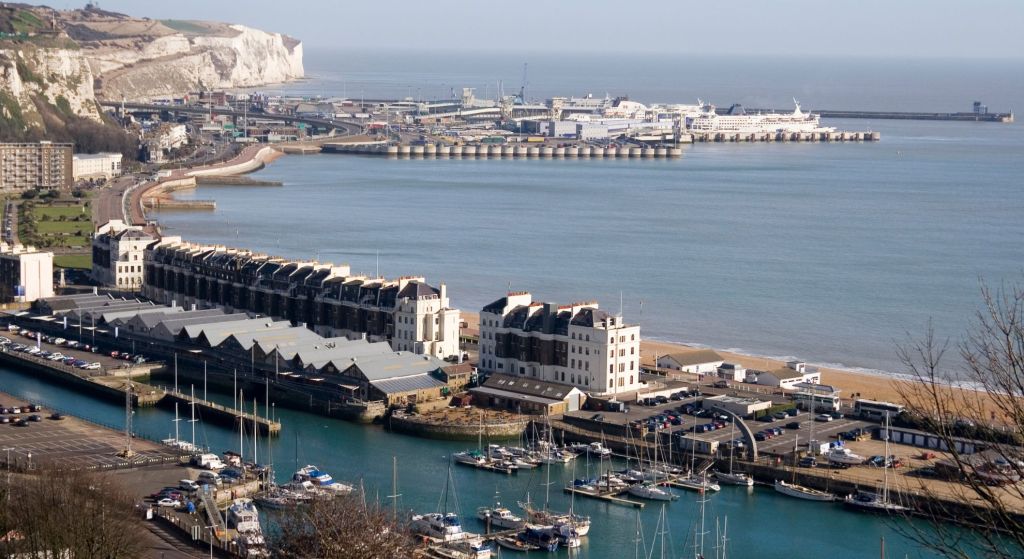
The story of the Port of Hornafjörður is woven with the threads of Icelandic seafaring history. Dating back centuries, this harbor has served as a vital lifeline for coastal communities, facilitating trade, fishing, and exploration. The marine tradition of Hornafjörður is deeply ingrained in Icelandic culture, dating back to its modest origins as a fishing community and its rise to prominence as a crucial port during the age of exploration. Through tales of Viking voyages, intrepid fishermen, and the evolution of maritime technology, we gain insight into the rich tapestry of history that defines this harbor town.
Infrastructure and Operations
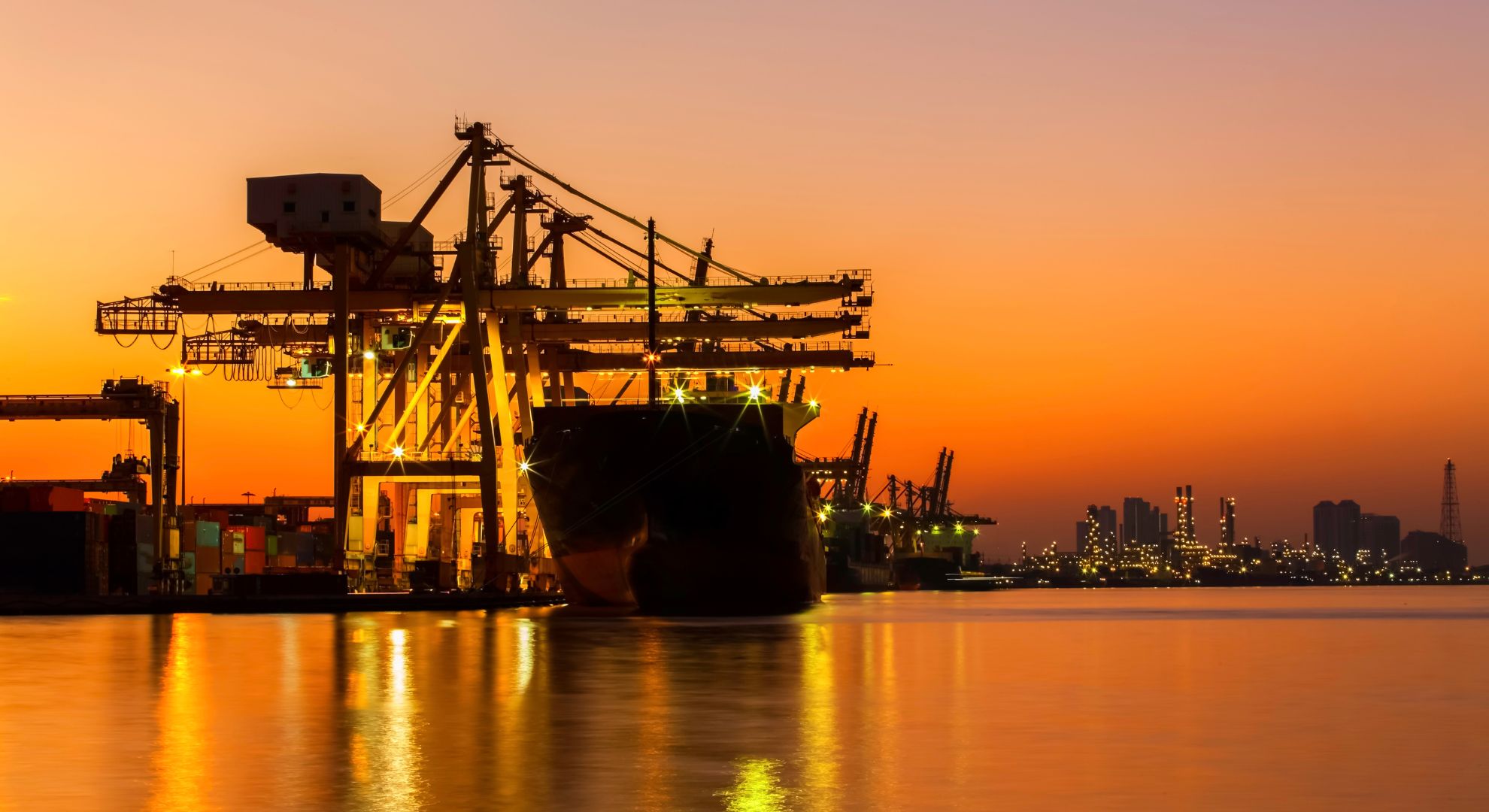
Despite its remote location, the Port of Hornafjörður boasts modern infrastructure and cutting-edge facilities designed to accommodate a wide range of maritime activities. From loading docks and cold storage warehouses to state-of-the-art navigational aids, the port stands as a testament to human ingenuity and engineering prowess. Delving into the intricacies of port operations, we uncover the meticulous planning and coordination required to ensure the seamless flow of goods and vessels in and out of the harbor. Whether servicing fishing fleets, cargo ships, or cruise liners, Hornafjörður’s port infrastructure plays a crucial role in sustaining Iceland’s economy and connecting it to the global market.
Economic Hub
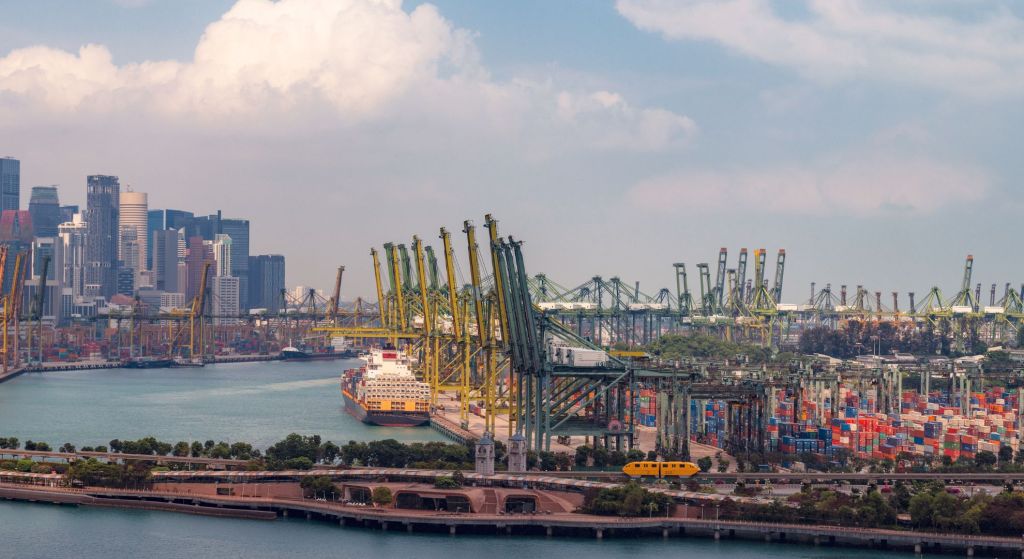
As a gateway to Iceland’s rich fishing grounds and a key link in the nation’s supply chain, the Port of Hornafjörður holds immense economic significance. The bustling activity at the harbor supports a myriad of industries, from commercial fishing and seafood processing to tourism and international trade. Through interviews with local business owners, fishermen, and port authorities, we gain insight into the economic engine driving prosperity in the region. Moreover, we explore the symbiotic relationship between the port and surrounding communities, examining how Hornafjörður’s success translates into jobs, investment, and sustainable development for the region.
Environmental Stewardship
Keeping economic development and ecological protection in check is a priority for the Port of Hornafjörður in an age of increasing environmental consciousness. Through innovative sustainability initiatives and responsible practices, the port strives to minimize its environmental footprint and protect the fragile ecosystems of Iceland’s coastline. From renewable energy projects to marine habitat restoration efforts, Hornafjörður’s commitment to environmental stewardship serves as a model for ports around the world. By embracing a holistic approach to sustainability, the port ensures that future generations can continue to enjoy the pristine beauty of Iceland’s coastal waters.
Technological Innovations at the Port
Explore the latest advancements in technology that have been implemented at the Port of Hornafjörður to enhance operational efficiency and safety. This section can delve into the use of automation in cargo handling, the integration of AI for logistics and forecasting, and innovative technologies for environmental monitoring. Highlighting these technological innovations underscores the port’s modern capabilities and its role as a forward-thinking player in the maritime industry.
Community Engagement and Cultural Initiatives
Discuss how the Port of Hornafjörður actively participates in community life and cultural preservation. This could include sponsoring local events, supporting Icelandic traditions, and promoting educational programs focused on maritime heritage and environmental awareness. By showcasing the port’s involvement in these areas, the blog would provide a richer picture of its commitment to nurturing a vibrant community and preserving the region’s cultural identity.
Cultural and Recreational Attractions
Beyond its economic significance, the Port of Hornafjörður offers a wealth of cultural and recreational attractions for visitors to explore. Discover a rich wealth of activities in the surrounding area, from picturesque seaside villages and ancient landmarks to spectacular natural wonders. Whether embarking on a whale-watching excursion, exploring ancient Viking ruins, or savoring fresh Icelandic cuisine at a local seafood restaurant, there’s no shortage of adventures to be had. Through firsthand accounts and immersive storytelling, we invite readers to experience the unique blend of tradition and modernity that defines life in and around the Port of Hornafjörður.
Navigating Future Challenges

Looking ahead, the Port of Hornafjörður faces a myriad of challenges and opportunities as it navigates an increasingly complex global landscape. Because of things like shifting trade patterns, changing weather patterns, and developing technology, the port will have to grow and alter if it wants to be competitive in the future. We investigate the current and future plans and strategies to guarantee Hornafjörður’s continuous prosperity by conducting interviews with professionals in the field and port officials. The port can succeed in a dynamic world if its residents embrace new ideas, work together, and have a common goal for the future.
The Port of Hornafjörður stands as a beacon of resilience, prosperity, and natural beauty in southeastern Iceland. From its storied past to its vibrant present and promising future, this maritime gem continues to captivate visitors and locals alike with its rich history, economic vitality, and commitment to sustainability. As we bid farewell to this enchanting harbor town, we carry with us a deeper appreciation for the indomitable spirit of exploration and discovery that defines life along Iceland’s rugged coastline.