Infrastructure and Capabilities
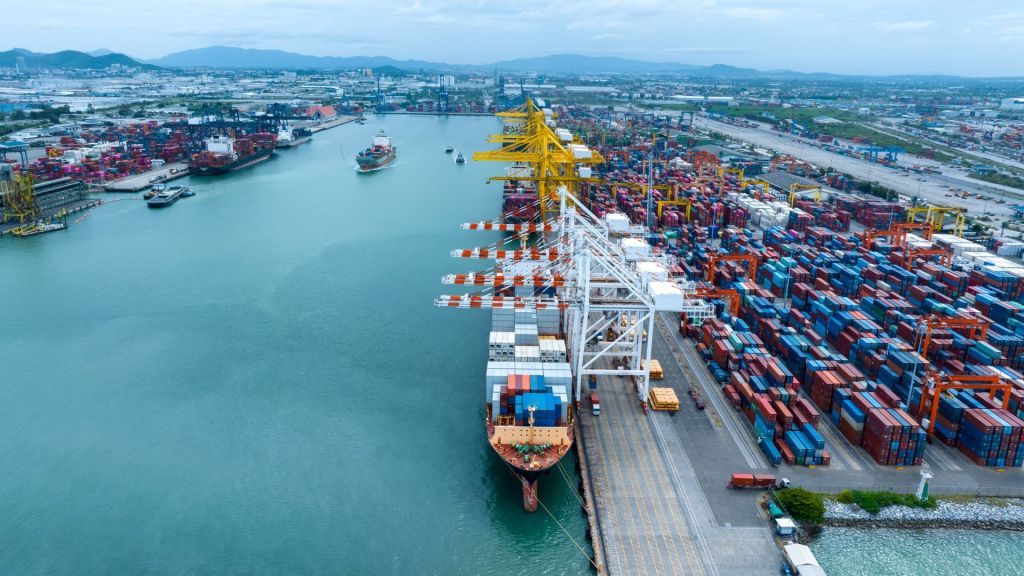
A defining infrastructure project carried out was the development in 2013 of the Mariel Special Economic Development Zone (ZEDM). This zone, operated by PSA International, serves logistics, warehouse, light manufacturing, and freight forwarding businesses. It provides modern operations infrastructure like navigational channels, rail spurs, cinder block warehouses, and conveyor belt systems for handling cargo and resources brought into Cuba.
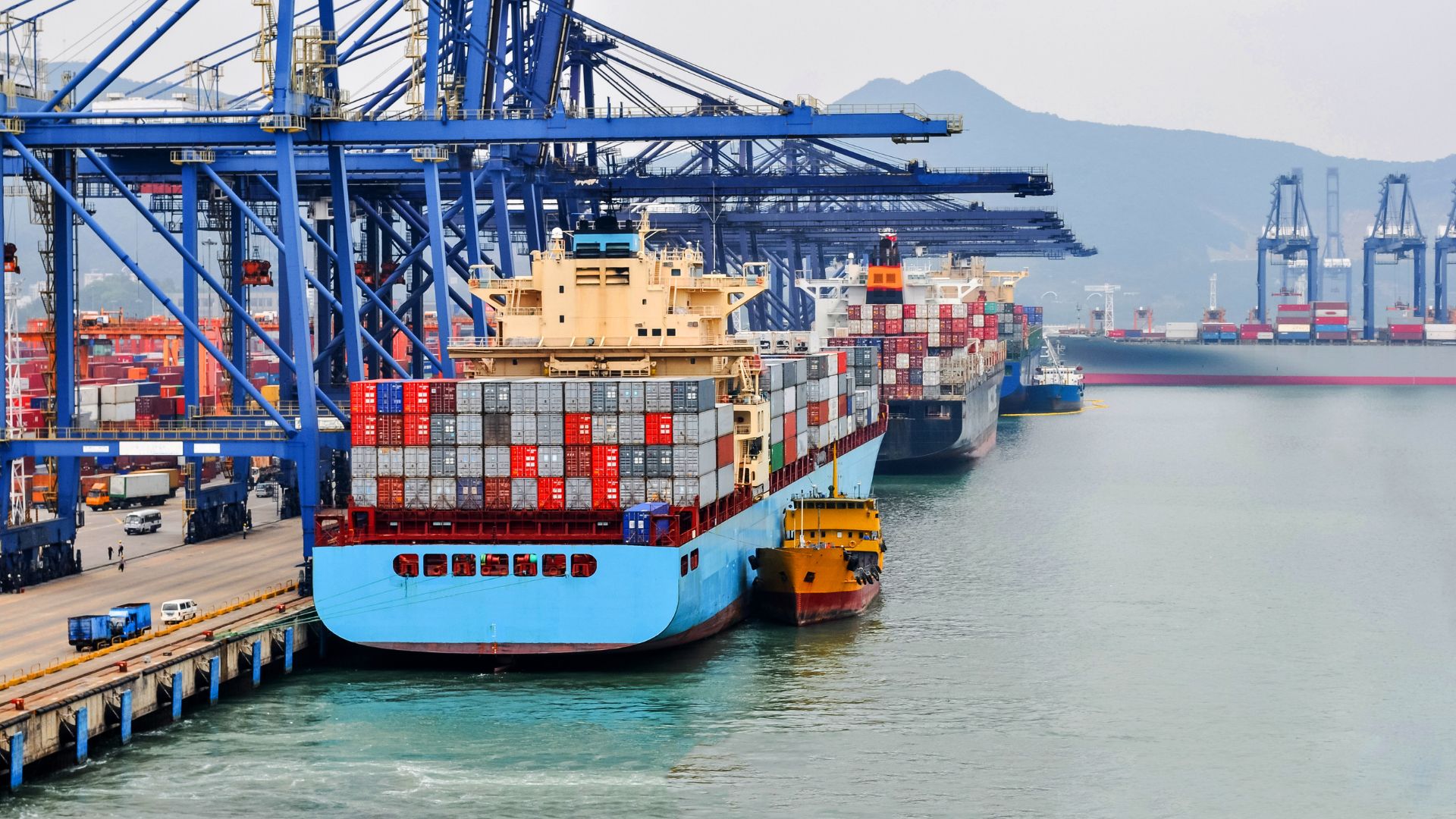
The port now handles 700,000 shipping containers annually, supported by new high-efficiency gantry cranes, bulk material handling systems, and 350,000 square meters of yard space to temporarily store imported goods. Intermodal connections link the port by road and rail to the rest of Cuba, facilitating the distribution of cargo at national scale.
Major Operations and Activities
The Port of Mariel’s improved cargo and tanker terminals now receive large transoceanic vessels exporting goods to Cuba. It serves as the main point of entry for container ships bearing imports like food, medical supplies, electronics, apparel, packaging materials. As the largest container terminal in Cuba, the port accounts for over 65% of containers received.
Upon offloading, imports are processed, warehoused, and aggregated for downstream transportation via truck and rail car. This makes Mariel a critical cargo handling and distribution center for the Cuban economy. Domestically, the port also loads bulk sugar, citrus fruits, and nickel ore for export abroad.
Economic Impacts
Development of the Mariel Port and special economic zone has created over 7,500 jobs in port operations, logistics, and support roles. It has attracted foreign trade and investment, with goods and operations representing over 16 countries thus far. This fuels broader national economic growth and development in the Mariel region, now home to additional warehousing and manufacturing centers.
Notable Shipments and Cargo

In 2021, the port received over 320,000 metric tons of bulk sugar imports from countries like Thailand and India. It also became a gateway for materials supporting Cuban infrastructure projects, with 3.8 million tons of construction cargo received including steel, cement, and heavy equipment.
Oil tankers routinely dock to deliver crude oil that meets over 50% of Cuba’s energy needs, while refrigerated ships export foods like meat and fruit globally. In a milestone shipment, the port received 589 vehicles including ambulances and tractor trailers bearing humanitarian relief aid.
Future Expansion Plans
Current expansion initiatives aim to develop the port into a logistics hub and diversify cargo capabilities. Dredging and wharf construction projects underway will add 2.5 km of new deep water berths and hardstand storage space. New roll-on/roll-off ramps will handle cars, trains, and project cargo like wind turbines. An intermodal yard with gantry cranes will enable smoother transshipment between sea, road, and rail transport modes.
With these capabilities and infrastructure improvements, the Port of Mariel seems positioned to continue growing in scale and regional commercial influence. Its development aids broader Cuban import and export activity benefiting economic priorities and consumers nationwide.