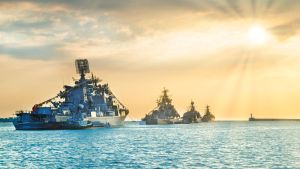
A Haven Carved by Nature: Guanabara Bay’s Embrace
Rio’s Natural Harbor: A Geographic Masterpiece
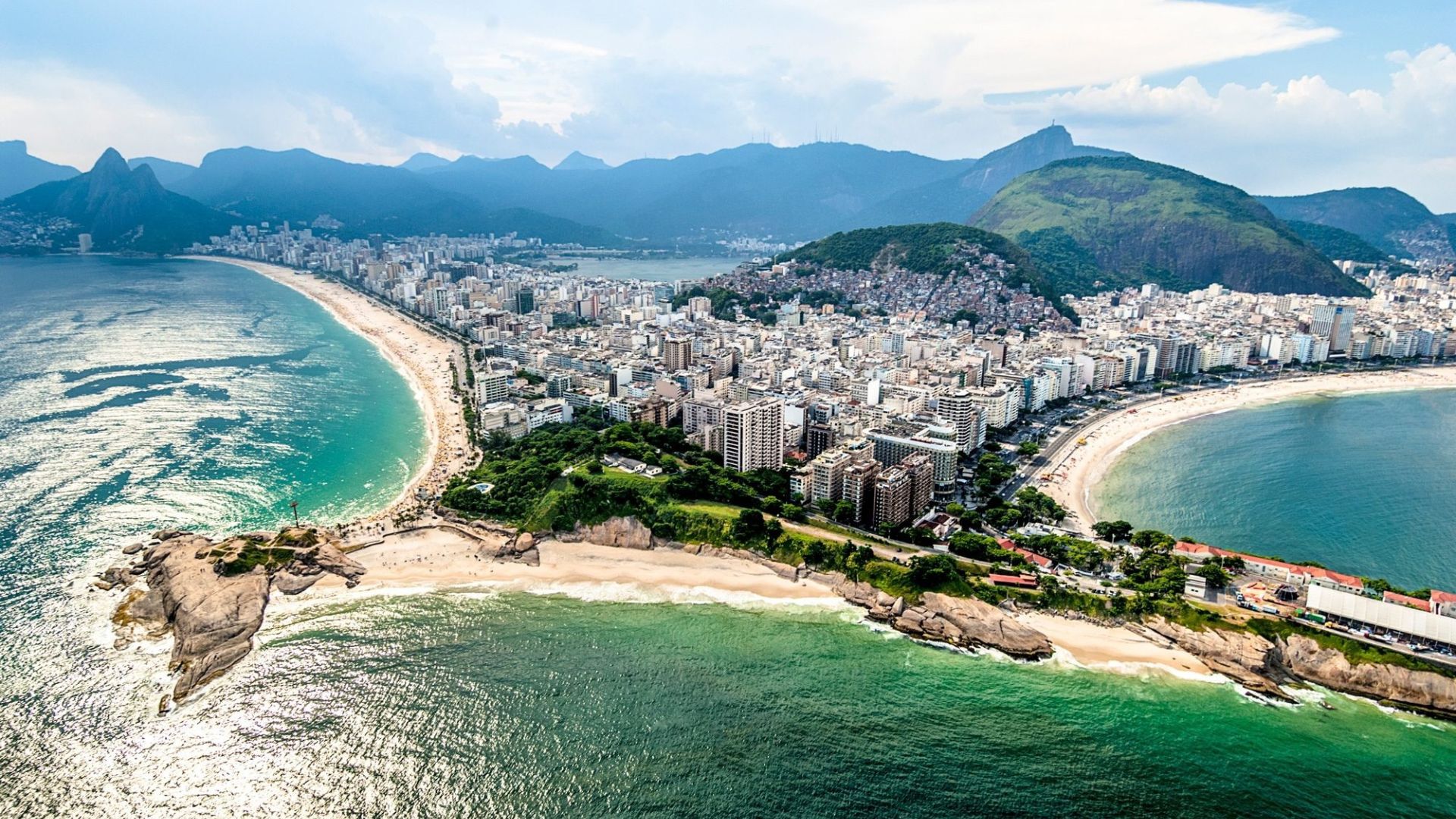
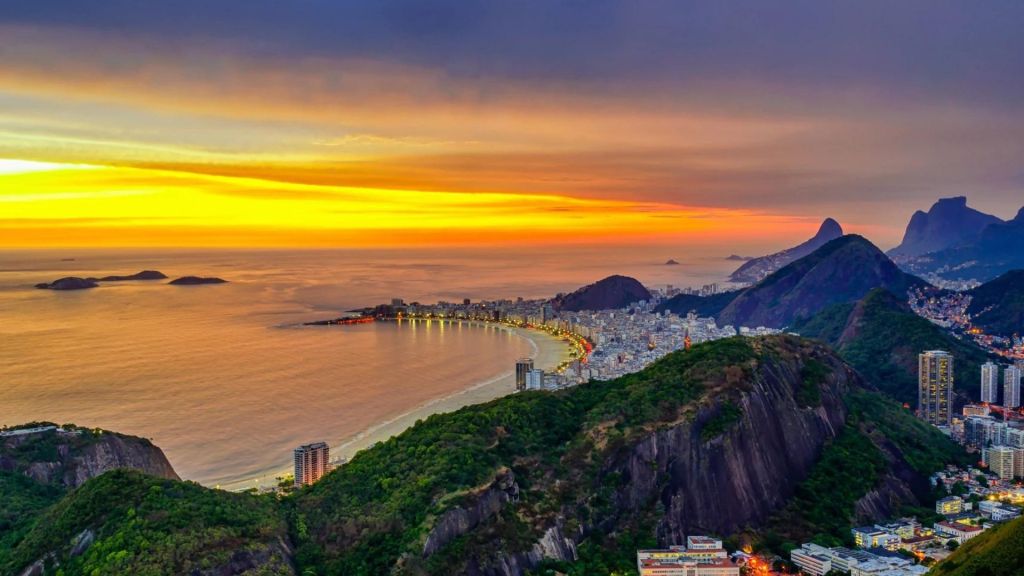
Guanabara Bay, a geological marvel sculpted by eons of natural forces, bestows upon Rio de Janeiro a natural harbor of unparalleled beauty and strategic significance. Its deep, sheltered waters provide a sanctuary for ships of all sizes, shielding them from the tempestuous Atlantic Ocean. The destiny of Rio as a maritime giant is heavily dependent on its excellent location.
Sheltered Serenity: The Bay’s Protective Embrace
The bay’s unique topography, characterized by a series of inlets, coves, and islands, creates a natural barrier against the ocean’s fury. This sheltered serenity not only safeguards vessels from turbulent weather but also offers a picturesque backdrop that has captivated explorers, traders, and tourists alike for centuries.
Deepwater Haven: Accommodating Maritime Giants
Guanabara Bay’s depths plunge to impressive levels, allowing even the largest cargo ships and cruise liners to navigate its waters with ease. This natural deepwater haven eliminates the need for extensive dredging, reducing costs and environmental impact while ensuring the port’s capacity to handle a diverse range of maritime traffic.
From Sugar to Samba: A Historical Tapestry of Trade and Transformation
Colonial Origins: The Port’s Humble Beginnings
Portuguese explorers originally landed in Brazil in the early 16th century, and the port of Rio de Janeiro has its origins in that era.In its nascent years, the port served as a humble trading post, facilitating the exchange of goods between the Old World and the New.
Sugar Rush: Fueling the Empire’s Sweet Tooth
As the Portuguese empire expanded, so did the port’s importance. It became a vital cog in the lucrative sugar trade, exporting vast quantities of the sweet commodity to Europe, thereby fueling the empire’s economic engine and shaping the social and cultural landscape of Brazil.
Industrial Evolution: From Coffee to Crude Oil
Over time, the port’s role evolved, adapting to the changing tides of global trade. It transitioned from sugar to coffee, becoming a major exporter of the aromatic bean that fueled the world’s caffeine addiction. In the 20th century, the discovery of vast offshore oil reserves transformed the port into a hub for the burgeoning petroleum industry.
Modern Marvel: A 21st-Century Trade Hub
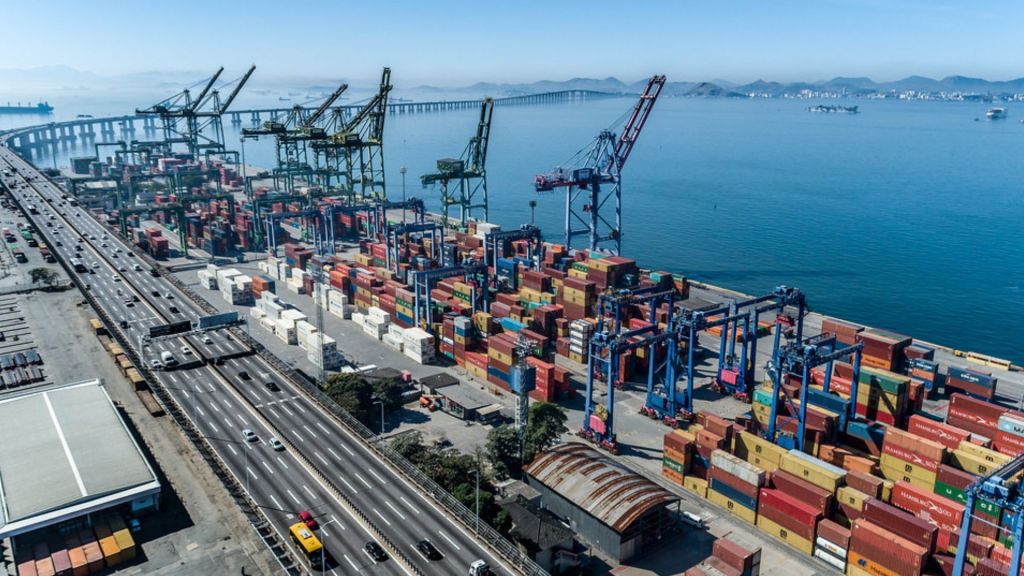
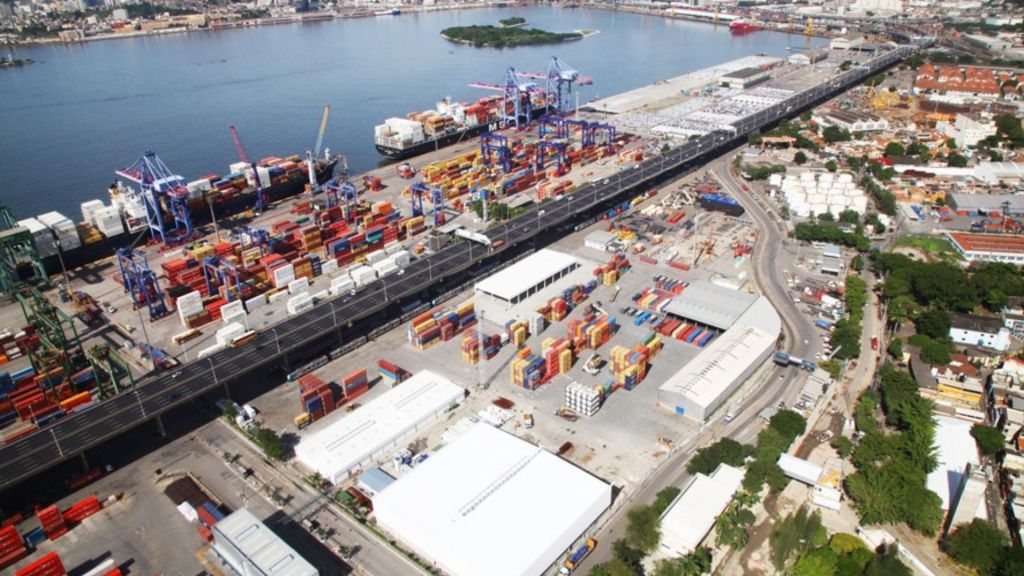
Today, the Port of Rio de Janeiro stands as a modern marvel, a testament to Brazil’s technological prowess and its commitment to facilitating international trade. State-of-the-art terminals, efficient cargo handling facilities, and sophisticated logistics networks ensure the seamless flow of goods, connecting Brazil to the global marketplace.
The Port’s Vital Role in Rio’s Economic Symphony
Economic Engine: Powering Rio’s Prosperity
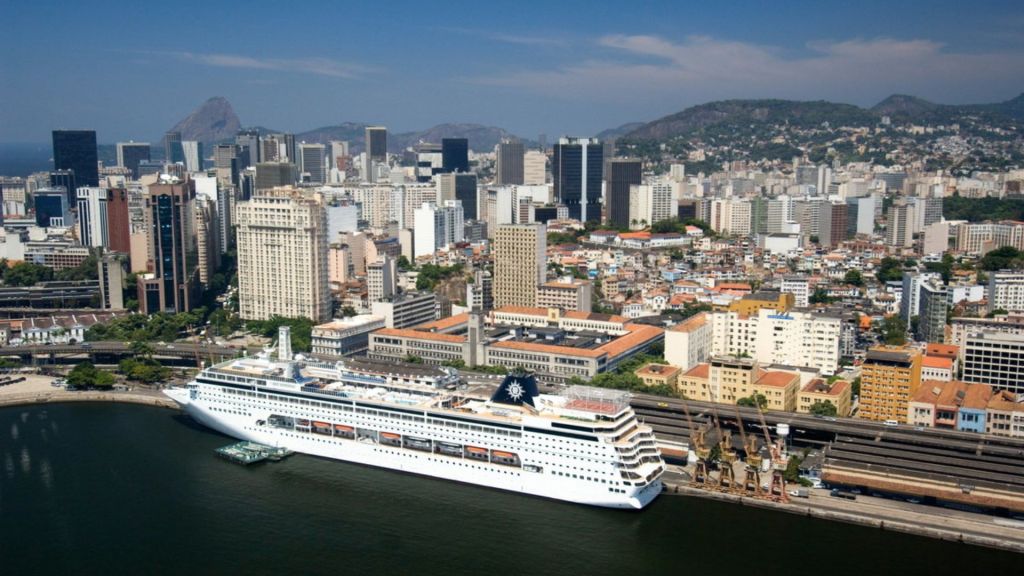
The port is not merely a gateway for trade; it is the beating heart of Rio de Janeiro’s economy. It generates billions of dollars in revenue, creates thousands of jobs, and supports a wide array of industries, from manufacturing and petrochemicals to tourism and hospitality.
Trade Winds: Connecting Brazil to the World
As a major hub for international trade, the port serves as a vital link between Brazil and the global community. It facilitates the import and export of goods, fostering economic ties with nations across the globe and positioning Brazil as a key player in the global marketplace.
Industrial Heartland: A Multifaceted Powerhouse
The port is home to a diverse range of industries, each contributing to the city’s economic vitality. Shipbuilding yards, oil refineries, steel mills, and food processing plants are just a few examples of the industrial behemoths that call the port home.
Catalyst for Growth: Spurring Urban Development
The port’s influence extends beyond its immediate vicinity. It has been a catalyst for urban development, spurring the growth of surrounding neighborhoods and contributing to the city’s overall expansion. The port’s presence has also attracted investment and infrastructure development, further bolstering Rio’s economic potential.
Cruising into Paradise: Rio de Janeiro as a Premier Cruise Destination
Cruise Capital of South America: A Coveted Title
Rio de Janeiro’s allure extends beyond its economic prowess; it is also a sought-after destination for cruise ships, earning it the prestigious title of “Cruise Capital of South America.” Luxury liners from around the world make Rio a port of call, drawn by its vibrant culture, stunning landscapes, and world-famous landmarks.
Alluring Itinerary: Sun, Sand, and Samba
The port offers cruise passengers an enticing itinerary, showcasing the best of what Rio has to offer. From the sun-drenched beaches of Copacabana and Ipanema to the iconic Christ the Redeemer statue atop Corcovado Mountain, the city’s attractions are a feast for the senses.
Tourist Magnet: Gateway to a Vibrant City
The port serves as a gateway to a vibrant city that pulsates with energy and passion. Cruise passengers disembarking in Rio are greeted by a kaleidoscope of sights, sounds, and experiences. From the rhythmic beats of samba to the tantalizing aromas of Brazilian cuisine, the city offers a sensory overload that leaves visitors spellbound.
Economic Boost: A Billion-Dollar Industry
The cruise industry is a major contributor to Rio’s economy, generating billions of dollars in revenue and supporting thousands of jobs. The influx of tourists not only benefits the tourism sector but also stimulates other industries, such as hospitality, retail, and transportation.
Beyond Cargo and Cruises: The Port’s Environmental Impact
Ecological Challenges: Pollution and Conservation
The port’s activities, while essential for economic growth, pose significant ecological challenges. Pollution, habitat destruction, and overfishing are just a few of the environmental issues that the port and its stakeholders must grapple with.
Green Initiatives: Sustainability Efforts
In recent years, there has been a growing awareness of the need for sustainable port practices. The Port of Rio de Janeiro has taken steps to mitigate its environmental impact, implementing initiatives such as waste reduction programs, energy-efficient technologies, and environmental monitoring systems.
Balancing Act: Economic Growth and Environmental Protection
The port faces the delicate task of balancing economic growth with environmental protection. It must find ways to continue facilitating trade and tourism while minimizing its ecological footprint. This requires a collaborative effort between the port authority, government agencies, businesses, and local communities.
The Future of the Port: Navigating a Sustainable Path
The future of the Port of Rio de Janeiro lies in its ability to navigate a sustainable path, one that ensures economic prosperity while safeguarding the environment for future generations. This will require continued investment in green technologies, innovative solutions, and a commitment to responsible stewardship of the bay’s natural resources.
The Human Element: The Port’s Diverse Workforce and Communities
Dockworkers and Dreamers: Stories from the Waterfront
The port is not just a collection of cranes, containers, and ships; it is a living, breathing community of people. Dockworkers, sailors, fishermen, and entrepreneurs all contribute to the port’s vibrant tapestry, each with their own unique story to tell.
Community Connections: The Port’s Impact on Local Life
The port’s influence extends far beyond its physical boundaries. It shapes the lives of the communities that surround it, providing jobs, fostering cultural exchange, and contributing to the social fabric of the city.
Cultural Melting Pot: A Microcosm of Brazilian Society
The port is a microcosm of Brazilian society, reflecting the nation’s diversity and its rich cultural heritage. People from all walks of life converge here, bringing with them their customs, traditions, and aspirations.
Challenges and Opportunities: The Human Cost of Progress
The port’s growth and development have not been without challenges. Displacement, gentrification, and social inequality are just a few of the issues that have arisen as the port has expanded. Fair distribution of the port’s advantages to all parties involved depends on resolving these issues.
The Port of Rio de Janeiro: A Tapestry of Past, Present, and Future
A Legacy of Resilience: Weathering Storms and Change
Throughout its long and storied history, the Port of Rio de Janeiro has weathered many storms, both literal and figurative. It has survived economic downturns, political upheavals, and natural disasters, emerging each time stronger and more resilient.
Modernization and Expansion: A Vision for the Future
Rather than sitting on its laurels, the port is always improving and adjusting to meet the needs of the international market. Modernization projects, such as the construction of new terminals and the implementation of cutting-edge technologies, are underway to ensure that the port remains competitive and continues to serve as a vital engine of economic growth.
Gateway to Opportunity: The Port’s Role in Brazil’s Destiny
The Port of Rio de Janeiro is more than just a port; it is a gateway to opportunity, a symbol of Brazil’s potential, and a testament to its indomitable spirit. It plays a crucial role in the nation’s destiny, connecting it to the world and propelling it towards a brighter future.
A Symbol of Pride: The Heartbeat of a Maritime Nation
The port is not just a place of work or a tourist destination; it is a source of pride for the people of Rio de Janeiro, a symbol of their resilience, their ingenuity, and their unwavering spirit. It is the heartbeat of a maritime nation, a testament to its rich history, and a beacon of hope for its future.