
Historical Background
Constructed between 1975 and 1981, the terminal envelops approximately 1,000 acres. It was designed to facilitate continuous offshore production, irrespective of adverse weather conditions. It is noteworthy that the terminal was initially established to handle production from the Brent and Ninian oil fields. However, it now receives production from more than thirty fields in the East Shetland Basin and the West of Shetland.
Operational Management

EnQuest operates the terminal on behalf of a consortium of nineteen different companies, each owning a stake in the terminal. This collaborative operation has ensured the smooth functioning of the terminal, contributing significantly to the global oil supply chain.
Facility Details
The terminal boasts a comprehensive set of facilities that assist in the receipt, storage, and export of oil and gas. It features oil and gas processing plants, sixteen crude oil storage tanks, four jetties, a power station, and a steam generation plant. Additionally, it houses an administration building, an on-site laboratory, a fire station, and a medical center for emergency responses.
Jetty and Loading Facilities
The terminal comprises four jetties, each equipped for specific operations. While the first jetty is currently out of service, the second and third jetties have crude oil loading facilities. Certain vessels use the fourth jetty for lay-bys and ship-to-ship transfers. The Terminal Operator and Harbour Master have discretion over the acceptance of larger tankers.
Loading and Discharging Regulations
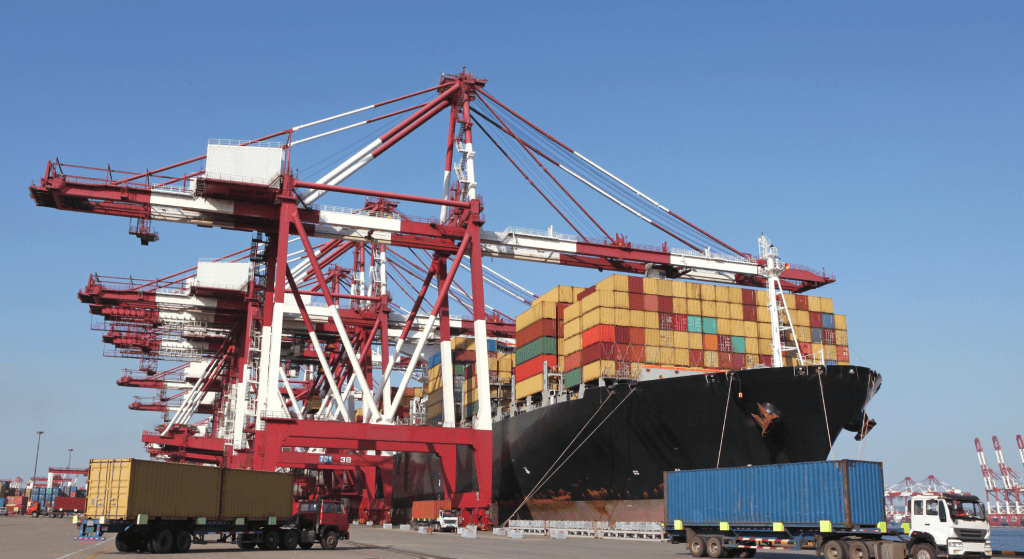
While a vessel is alongside the terminal, the main engines must maintain a state of readiness to vacate the terminal on short notice. The terminal also adheres to strict Load Line Regulations for departing tankers.
Storage Facilities
The crude oil is kept in sixteen 600,000-barrel capacity conventional floating-roof storage tanks. The terminal also houses four fixed-roof ballast water tanks fitted with oil skimmers.
Terminal Operation and Monitoring
The terminal administration, situated in a dedicated building, oversees all marine operations, ensuring safety and efficiency. This includes radar monitoring, navigational advice to shipmasters, intensity-controlled navigational lighting, and meteorological advice.
Services and Amenities
The Port of Sullom Voe Terminal offers a plethora of services, including pilotage, mooring boat services, and boat hire for vessels anchored or standing off. Helicopter hire is also available for specific operations. The towage service is operated by a separate company and financed directly through towage charges.
Safety Measures and Environmental Considerations

The terminal prioritizes safety and environmental conservation. Every vessel’s firefighting appliances, including main and emergency fire pumps, must be ready for immediate use. Additionally, the terminal prohibits the discharge of any dirty ballast into the waters of Sullom Voe, ensuring the preservation of the local marine ecosystem.
Future Prospects and Potential
The Port of Sullom Voe Terminal does not operate a capacity booking system. Instead, it anticipates decisions leading to an increase or decrease in capacity based on forecast throughput. With a current availability of over 95% and a processing capacity of approximately 410,000 barrels per day, the terminal is well-equipped to handle additional volumes from new fields or customers.
The Port of Sullom Voe Terminal, owing to its strategic location and robust facilities, plays a pivotal role in the global oil industry. Its operational efficiency, comprehensive services, and environmental consciousness contribute significantly to its reputation as one of Europe’s largest oil terminals. The terminal will play an essential part in the world’s energy supply chain and will be able to adjust to new circumstances as they arise in the energy industry.