The Port of Thunder Bay, located on the traditional territory of the Anishnawbe Peoples of Fort William First Nation, is the largest city on the world’s largest freshwater lake. Bordered by the world’s largest unbroken boreal forest, it serves as a significant facilitator of commerce in the Thunder Bay region and beyond. This port is primarily known for its grain shipping capacity, handling approximately 85% of Western Canada’s grain exports. However, it also handles a variety of other cargo types, including coal, potash, forest products, general cargo, heavy lifts, bagged grains project cargo, and liquid bulk.
Facilities and Services
The Port of Thunder Bay boasts an 80-acre full-service facility equipped with a Liebherr LHM 320 mobile harbor crane. It also provides ample storage solutions with 50,000 sq. meters of indoor storage space, including heated storage options. Furthermore, it has an extensive laydown area and on-dock access to CN and CP railways. The port also offers track-mobile services on-site and has close proximity to the TransCanada & U.S. highways and an intermodal yard.
Vessel Handling

Among the key features of the Port of Thunder Bay is its capability to handle dimensional cargo. This includes wind turbine blades, nacelles, towers and hubs, mining equipment, oilsands components, electrical infrastructure, structural steel and rail, and modular buildings. The port is equipped with a Liebherr LHM 320 Mobile Harbor Crane capable of lifting project cargo and breaking bulk such as steel and forest products, containers, and bulk cargo. The crane has a 104-tonne lifting capacity at an 18.5-meter reach.
Economic Impact
The port is crucial to the steady economy of the area. It is responsible for creating over 900 regions and generates an annual economic impact of over $370 million.
Connectivity
As the gateway to European trade with Western Canada, the Port of Thunder Bay provides an important link in the global supply chain. It is the preferred marine route for European trade with Western Canada.
Historical Significance
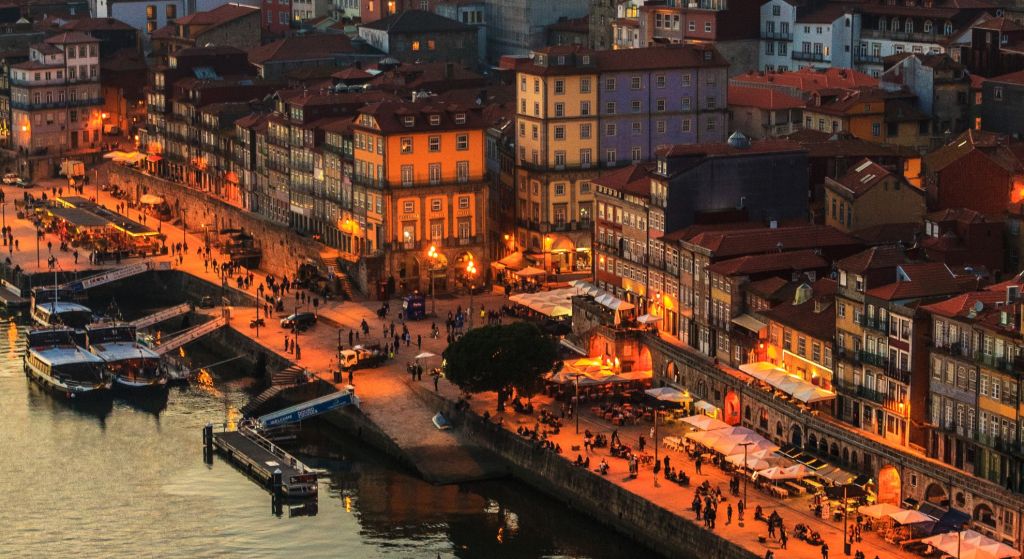
The port’s roots can be traced back to the North American fur trade in the 16th century; it witnessed the western settlement of Canada, the boom of silver mining in the 1870s and 1880s, and the increase in shipbuilding during World War I. A significant turning point came in 1959, when the St. Lawrence Seaway was opened, enabling ocean-going boats to reach the port.
Cruise Destination
Apart from its commercial significance, the Port of Thunder Bay is also a popular cruise ship port of call. It offers a wide range of world-class natural and cultural attractions loved by cruise passengers, including Fort William Historical Park, Kakabeka Falls Provincial Park, and Ouimet Canyon Provincial Park, among others.
Future Prospects

Despite economic pressures and competition from other ports, the Port of Thunder Bay continues to evolve and adapt. It is transitioning from primarily a grain shipping port to a regional service center for Northwestern Ontario and Western Canada. It is also expanding its facilities and services to accommodate a wider range of cargo and enhance its capability to handle larger vessels.
Social Media Presence
Twitter and Facebook are just two of the many social media channels where the Port of Thunder Bay keeps its followers up-to-date on all the latest happenings. It also shares interesting facts, images, and videos related to the port and its operations.
The Port of Thunder Bay is a significant contributor to Canada’s maritime industry. Its strategic location, diverse cargo capabilities, and historical significance make it a vital link in the global supply chain. Despite facing numerous challenges, it continues to evolve and adapt, ensuring its continued relevance and importance in the years to come.