Geographic Location and Features

Situated at the coordinates 8°34′01″N 81°13′52″E, the Port of Trincomalee is nestled in the heart of the Indian Ocean. The harbor is surrounded by terraced highlands, providing natural protection against harsh weather conditions. The entrance to the harbor is guarded by two headlands, ensuring a secure passage for vessels.
The harbor encompasses a vast area of 5,261 hectares (13,000 acres) of land and 1,630 hectares (4,000 acres) of water. The entrance channel measures 500 meters in width, allowing for the smooth navigation of large vessels. The bay houses a number of submarine canyons, a feature that contributes to Trincomalee’s reputation as one of the finest deep-sea harbors in the world.
Historical Significance
The Port of Trincomalee’s strategic location has shaped its history significantly. The harbor has been the site of numerous sea battles as different colonial powers sought to control this crucial outpost. The Portuguese, Dutch, French, and British have each held it at various points in history.
In 1942, the harbor witnessed a significant event during World War II when the Imperial Japanese Navy attacked and sank three British warships anchored there. The aftermath of the war led to the harbor, previously a British naval base, being taken over by the Ceylonese government in 1956 for commercial development.
Port Facilities and Operations

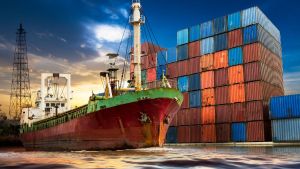
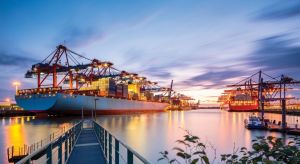
The Port of Trincomalee operates on a 24-hour basis, with the exception of May Day when only daylight navigation is allowed. The port houses several dedicated terminals, including the Prima Jetty, Tokyo Cement Jetty, Oil Jetty, and Ashroff Quay. These terminals cater to a range of imports and exports, including wheat, cement, clinker, and petroleum products.
Despite the limited number of berths, the harbor can accommodate vessels of any size in its anchorage areas. Along with its commercial operations, the Port of Trincomalee also supports ship-to-ship transfers of various cargoes, including bulk cement, oil, and natural gas.
Strategic Importance and Development Plans
The Port of Trincomalee’s strategic location and natural advantages make it an ideal site for commercial development. The Sri Lanka Ports Authority (SLPA) is currently in the process of redeveloping Trincomalee as a metropolitan growth center.
The port’s development plans include the provision of bulk and break bulk cargo facilities, as well as port-related industrial activities, which encompass heavy industries, tourism, and agriculture. The SLPA has completed a zoning plan for the unutilized land under its jurisdiction, with plans to call for proposals from potential investors.
Tourist Attractions and Recreational Activities
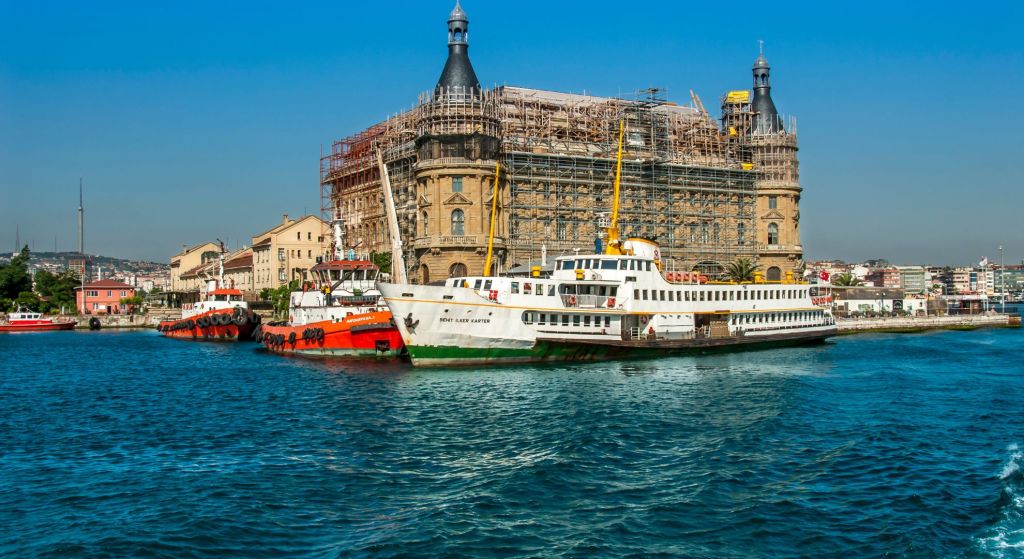
In addition to its commercial significance, the Port of Trincomalee is also a popular tourist destination. Tourists can take a boat trip to neighboring Pigeon Island, sunbathe, swim, or snorkel at the beautiful beaches, or marvel at the mighty Koneswaram temple.
The region around the port also offers a range of recreational activities, including whale and dolphin watching tours, day trips to Anuradhapura and Mihinthalaya, and snorkeling trips to Pigeon Island.
Challenges and Future Prospects
Despite its strategic advantages, the Port of Trincomalee faces several challenges. These include the need for upgrading port facilities, improving connectivity with other regions, and addressing environmental concerns. However, with the right measures, these challenges can be overcome, paving the way for the port’s future growth.
The port’s development as an energy hub and its integration with agricultural regions present promising prospects. Furthermore, the increasing economic activity in the littoral states of the Bay of Bengal is likely to boost trade through the Port of Trincomalee.
The Port of Trincomalee serves as a crucial link in Sri Lanka’s maritime network. Its strategic location, coupled with its natural advantages, makes it a significant asset for the country. Sri Lanka’s economic growth and development will be greatly impacted by the port’s ongoing development and expansion of operations.