History
The Port of Vancouver has a rich history that dates back to the early 20th century. The Vancouver Fraser Port Authority, formed in 2008, manages the Port. The consolidation of the North Fraser Port Authority, the Fraser River Port Authority, and the former Port of Vancouver has improved port operations and made them more efficient.
Location and Size

The Port of Vancouver spans a massive land area of 16,000 hectares, with a harbor size of 350 kilometers. It boasts 57 berths and has an annual cargo tonnage of 141 million metric revenue tons. The Port’s strategic location makes it easy for Canadian goods to be traded with over 170 global economies.
Management and Structure
The Vancouver Fraser Port Authority, a financially self-sufficient company, manages the Port of Vancouver. It operates under the Canada Marine Act and is accountable to the federal minister of transport. Care for the federal port properties near Vancouver, British Columbia, is the main function of the authority.
Terminals and Facilities
The Port of Vancouver is home to 29 major marine terminals that service five business sectors. It also hosts three Class 1 railroads and a regional short-line railroad. The Port’s comprehensive range of facilities and services caters to the diverse needs of the international and domestic shipping community.
Major Trading Partners
The Port of Vancouver facilitates trade with numerous countries worldwide. Its major trading partners include China, South Korea, Malaysia, Japan, Australia, Europe, and South America. The Port’s strategic location and excellent facilities make it a preferred choice for conducting global trade.
Environmental Initiatives
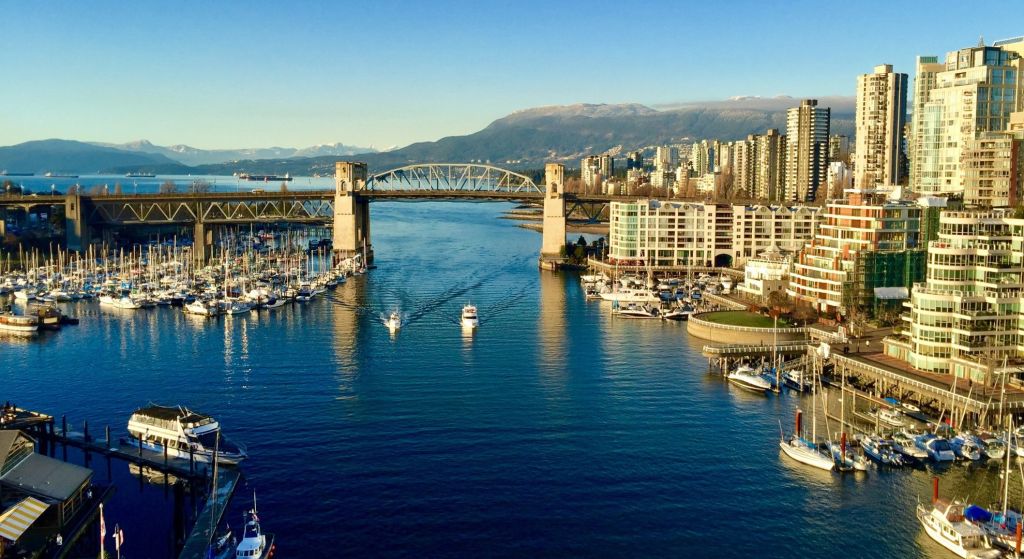
The Port of Vancouver is committed to sustainability and environmental stewardship. It has several initiatives in place to enhance cetacean habitat and reduce emissions. The Port’s environmental initiatives align with its vision to be the world’s most sustainable Port.
Major Projects
The Port of Vancouver continuously invests in projects that support trade growth and strengthen supply chains. One such initiative is the Container Capacity Improvement Program (CCIP), a long-term strategy to meet the anticipated growth in container traffic.
Economic Impact
The Port of Vancouver significantly contributes to Canada’s economy. In Canada, port operations generate $7 billion in wages, 115,300 jobs, and $11.9 billion in GDP. The Port enables the trade of approximately $240 billion in goods.
Future Developments

The Port of Vancouver has ambitious plans for the future. It aims to continue investing in innovation and technology to support trade growth and strengthen supply chains. Additionally, in order to accommodate the growing demand for its services, the Port intends to increase its capacity.
Key Challenges
Like any other major port, the Port of Vancouver faces several challenges. These include managing the growing demand for its services, maintaining its infrastructure, and ensuring its operations are sustainable and environmentally friendly.
The Port of Vancouver is a vital hub for global trade. Many companies choose it because of its convenient location, wide range of services, and dedication to sustainability. As the Port continues to grow and evolve, it remains committed to its vision of being the world’s most sustainable Port.