
A Glance at the Port of Vienna
Located in the heart of Austria’s capital city, the Port of Vienna is managed by Wiener Hafen Management GmbH. It sprawls over a massive area of 350 acres (or 3.5 square kilometers) and employs a workforce of 241 individuals. The general manager steering the port’s operations is Michael Hefelle.
In 2007, the port welcomed 4,371 vessels, handled 12 million tonnes of cargo, and facilitated the movement of 323,000 TEUs (Twenty-foot Equivalent Units). Furthermore, the port was bustling with passenger traffic, with 305,000 people gracing its premises. The annual revenue generated by the port in the same year totaled 45 million Euros1.
Port of Vienna: An Overview of Terminals

The Port of Vienna is a well-equipped maritime trade hub home to several terminals designed to handle various types of cargo.
Container Terminal
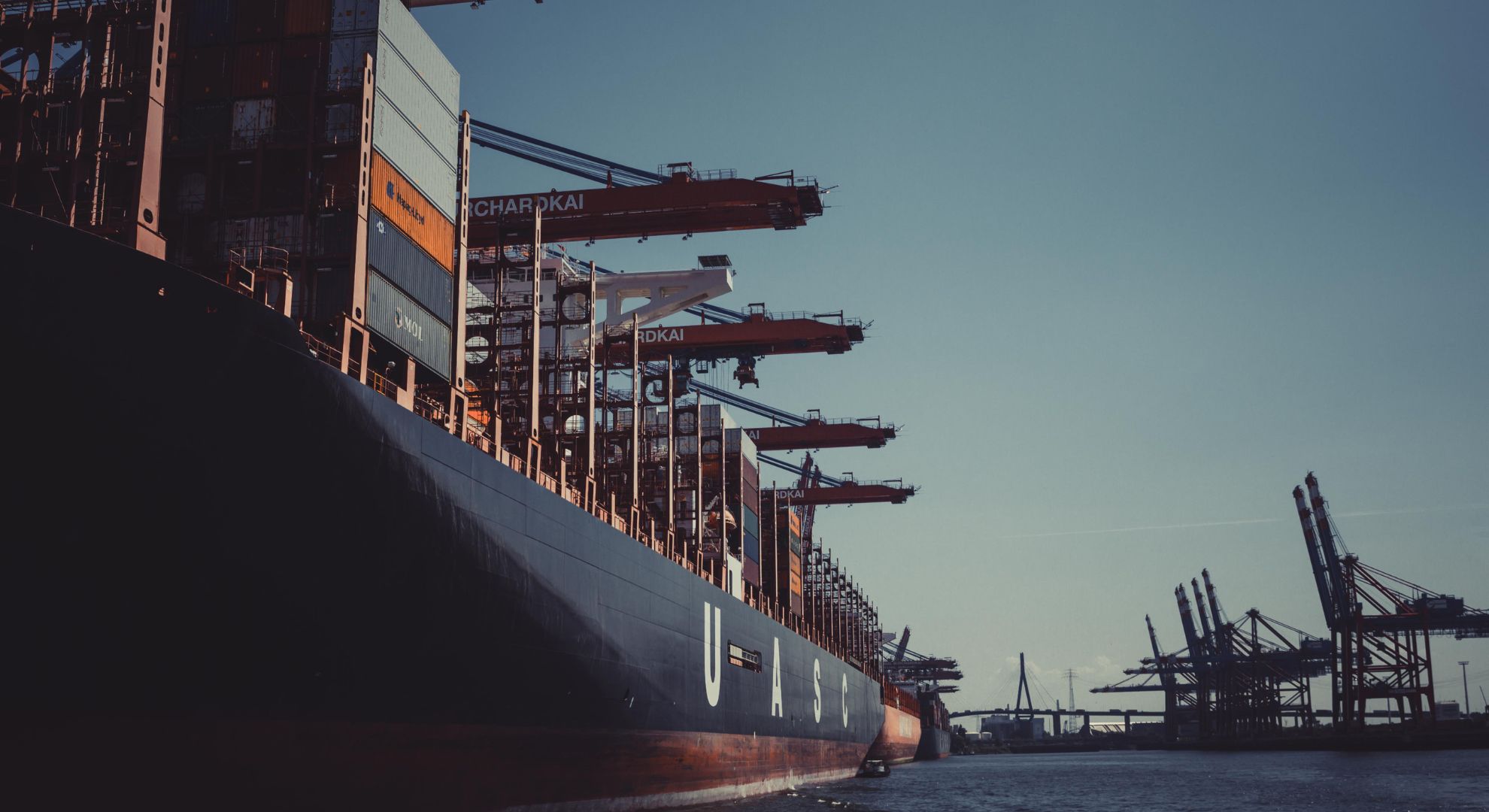
The container terminal, inaugurated in 2000, boasts a storage area of 60,000 m² (15 acres) and is a testament to the port’s focus on facilitating efficient containerized cargo movement.
Automobile Terminal
The automobile terminal is a unique feature of the Port of Vienna. It is one of the largest in Central Europe and caters to importing new cars. It can accommodate 10,000 vehicles simultaneously and occupies a 160,000 m² (40-acre) plot.
General Cargo Terminal

The general cargo terminal offers a substantial storage area of 270,000 m² (67 acres). It is made to handle a wide range of goods, which adds to the port’s flexibility.
Passenger Terminal
The Port of Vienna also houses one of the largest passenger terminals on the Danube River. In 2007, it catered to 305,000 passengers, underlining its importance as a gateway for tourism[^11^].
The Port of Vienna: An Economic Powerhouse
The Port of Vienna isn’t merely a cargo and passenger movement conduit. It is a powerful economic engine that propels Austria’s trade and commerce, contributing significantly to its GDP.
Trade and Commerce Hub
The port’s strategic location on the Danube River and its proximity to several international organizations like the United Nations (UN) and the Organization of the Petroleum Exporting Countries (OPEC) make it a bustling hub of trade and commerce. The port is well-equipped to handle various cargoes, including agricultural goods, construction materials, metals, automobiles, containerized cargo, petroleum, coal, iron, and steel.
Passenger Traffic and Tourism
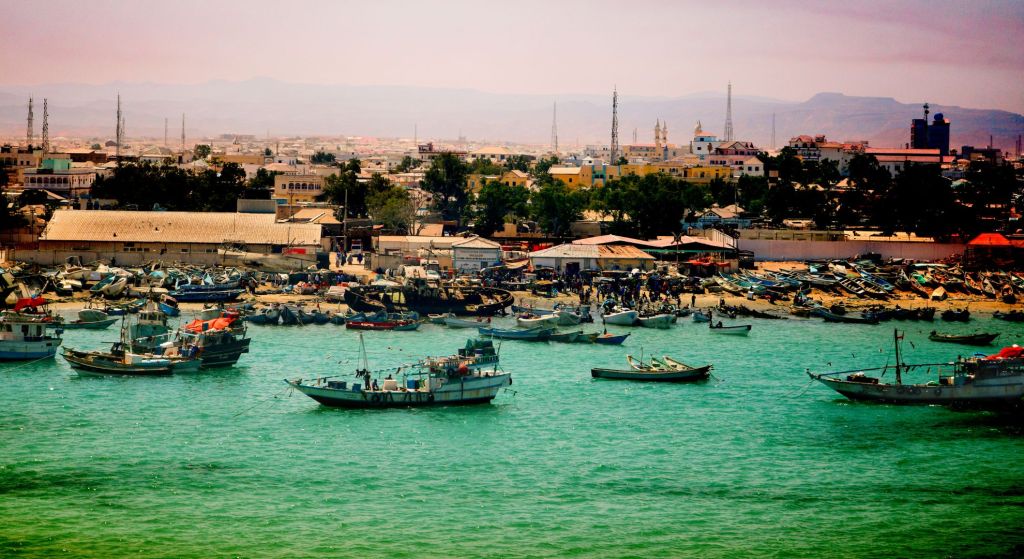
The Port of Vienna is a tourist hotspot, with its cruise terminal receiving over 4,000 cruise ships carrying over 300,000 people each year. This influx of tourists bolsters the local economy and contributes significantly to the country’s tourism revenues.
Infrastructure and Facilities
The Port of Vienna is well-endowed with state-of-the-art infrastructure and facilities. It spans 350 hectares and boasts 5000 m of quayage. It also features 70,000 m² of covered storage area, 36,000 m² dedicated to raw materials, and 200,000 m² of open storage.
The car terminal, which occupies 160,000 m², handles 72,000 vehicles annually and features a storage area for 2600 vehicles. It is directly connected to critical highways and railways, ensuring swift delivery of consignments.
The container terminal, covering 60,000 m² of area, sees 323,000 TEUs pass through annually, underscoring the port’s efficient containerized cargo handling.
Port of Vienna: A Glimpse into the Future
The Port of Vienna is a hub of contemporary maritime trade and a harbinger of the future. Its world-class facilities and strategic location mean that it is likely to keep growing, which will boost Austria’s standing in the world of maritime trade.
As the Port of Vienna continues to evolve and grow, it will remain a beacon of economic prosperity and a testament to Austria’s maritime prowess.
The Port of Vienna is truly the heartbeat of Austria’s maritime trade. Its world-class facilities, strategic location, and economic significance make it an asset of national importance and a symbol of Austria’s naval prowess. As we look to the future, the Port of Vienna is poised to continue its legacy of excellence, contributing significantly to Austria’s economic growth and global maritime trade.