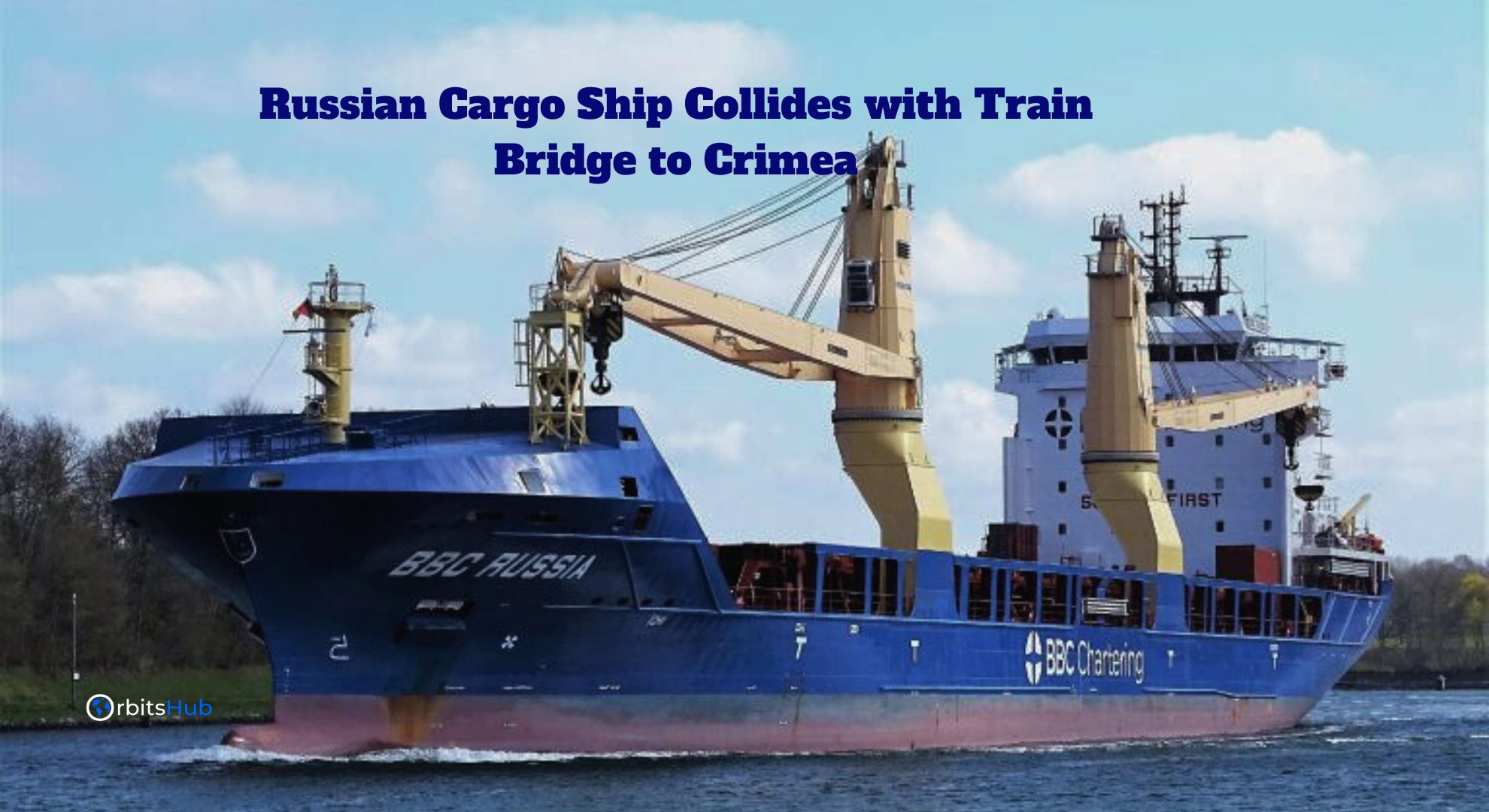
The Crimean peninsula, nestled in the Black Sea, has long held strategic importance for Russia. Its annexation in 2014 marked a pivotal moment, solidifying Moscow’s control over the region and fueling tensions with Ukraine. However, sustaining this occupation required a reliable supply chain, and the Kerch Strait Bridge emerged as a crucial artery for transporting essential cargo ship.
The Kerch Strait Bridge: A Lifeline Across Troubled Waters
The Kerch Strait Bridge is a marvel of modern engineering, spanning 12 miles. This colossal structure, comprising a four-lane highway and a double-track railway, connects Russia’s Krasnodar region with the Crimean peninsula. More than just a physical link, it symbolizes Moscow’s unwavering determination to maintain its grip on the occupied territory.
A Vulnerable Crossroads: Risks and Warnings Unheeded
The Baltimore Harbor Safety and Coordination Committee identified bridge vulnerability issues in 2004 experienced pilots like Capt. Joe Smith worried about ship collisions and the need for good communication. In 2006, an MTA engineer admitted that the bridge’s piers were not meant to sustain large, modern vessels, escalating these worries.
Over the next six years, Smith advocated for bridge security, but cost prevented fortification. After Smith’s retirement in 2014, the debate ended without significant improvements.
A Tale of Two Bridges: Contrasting Approaches to Risk Mitigation
Delaware officials took a proactive approach to the Francis Scott Key Bridge issue while Maryland officials struggled. In 2015, the state’s bridge transport authority installed a complete pier protection system to mitigate ship strikes on the Delaware Memorial Bridge.
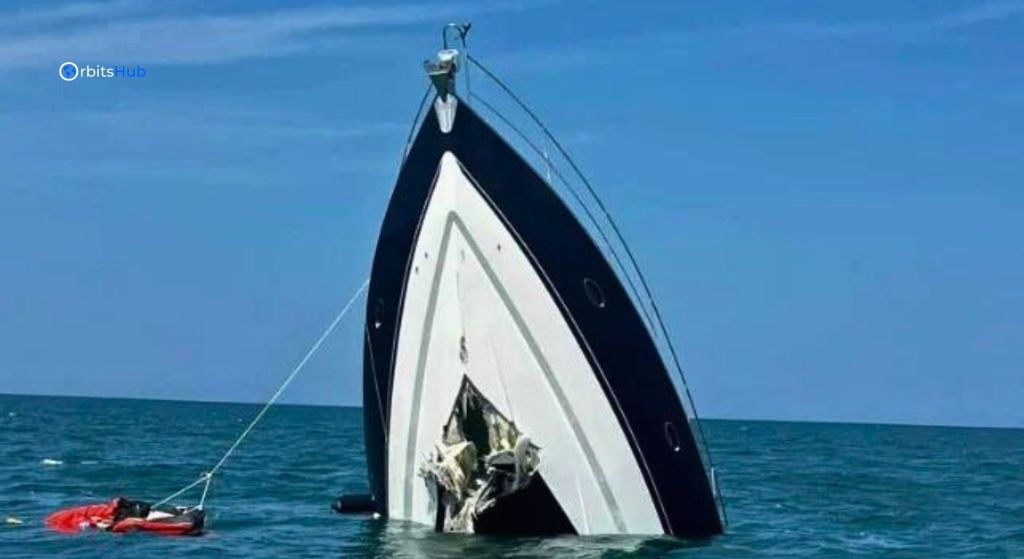
Delaware funded eight massive steel-and-rock dolphins to protect the bridge’s piers from sea collisions through political will, bond measures, and toll hikes. This ambitious 2025 project will cost $93 million, compared to the $2 billion needed to replace Baltimore’s Key Bridge.
Ukraine’s Relentless Campaign: Disrupting Russia’s Supply Lines
Moscow relied on the Kerch Strait Bridge for military supplies during its invasion of Ukraine. However, Ukrainian forces understood its strategic value and launched a series of daring attacks, damaging both the road and railway lines.
On July 17, 2023, a Ukrainian operation destroyed parts of the bridge, forcing the Kremlin to call for three-month repairs. Russian media minimized the damage, but open-source intelligence outfit Molfar’s satellite imagery analysis showed that Russia had redirected its military logistics away from the bridge.
Shifting Supply Routes: Russian Cargo Ship Adaptive Strategies
According to Molfar, freight and passenger trains frequently crossed the Kerch Strait Bridge‘s railway segment between May and September 2023. Following the July 2023 incident, freight trains carrying military equipment were rarely seen on the bridge in March and April 2024.
In defiance, Russia explored supply routes across occupied Ukraine. Russia aims to build a railway connecting Rostov-on-Don and Crimea through occupied Berdyansk and Mariupol. This route’s first freight trains began operating in March 2024, demonstrating Russia’s military presence in the region.
The Symbolic Significance: A Bridge Beyond Logistics
While the Kerch Strait Bridge’s logistical importance cannot be understated, it also carries profound symbolic weight. For Ukraine, targeting the structure represents more than just a strategic move; it is a defiant act against Russia cargo ship occupation of Crimea.
As Artem Starosiek, CEO and founder of Molfar, eloquently stated, “Speaking as a Ukrainian, I would still choose to hit the bridge because it has symbolic meaning, but speaking from the position of a military analyst, I think it’s better to hit the railway because it’s much more dangerous.”

The Evolving Dynamics: Adapting to Shifting Realities
The Kerch Strait Bridge story shows how modern warfare evolves. Russia quickly rerouted its goods as Ukraine’s persistent campaign interrupted its supply lines. Strategic flexibility emphasizes adaptability and perseverance in adversity.
The differences in bridge vulnerability mitigation between Maryland and Delaware demonstrate risk reduction and resource allocation challenges. Preventive interventions may appear expensive, but the consequences of inaction could be worse.
Lessons from the Frontlines: Preparedness and Foresight
The events surrounding the Kerch Strait Bridge poignantly remind us of the need for proactive risk assessment and contingency planning. Russia’s supply chain problems show that ignoring warnings and delaying infrastructure upgrades can have grave repercussions.
As nations grapple with evolving threats and strategic imperatives, anticipating and mitigating risks becomes paramount. By learning from the experiences of the Kerch Strait Bridge and embracing a culture of preparedness, governments and organizations can enhance their resilience and safeguard their vital interests.
The Enduring Impact: Shaping Future Strategies
The Kerch Strait Bridge battle had far-reaching effects. This episode’s lessons will impact plans, decision-making, resource allocation, and infrastructure development worldwide. Navigating complex supply chains and protecting critical infrastructure will remain a primary challenge as geopolitics become more complicated. The Kerch Strait Bridge illustrates the need for forethought, adaptability, and strategic advantage in a shifting theatre of operations.
Discover how OrbitsHub can revolutionize your maritime and aviation operations. Explore expert consultancy services that ensure efficiency, safety, and innovation. Visit orbitshub.com now to elevate your industry standards!