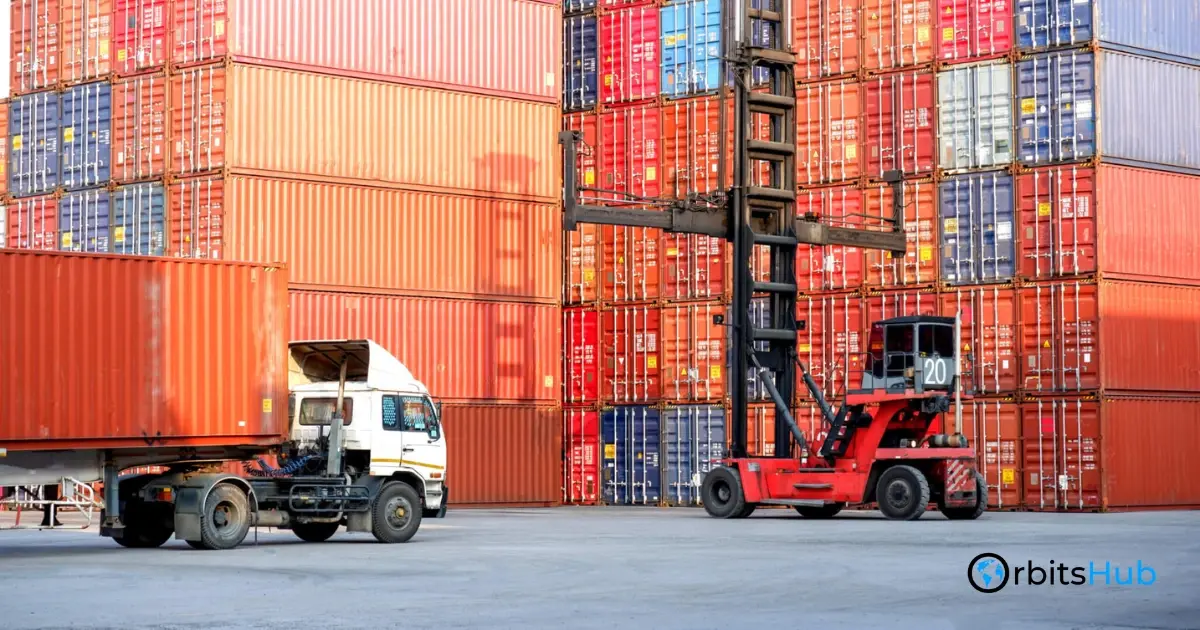
Picture this: Imagine a bustling port, where the salty sea breeze carries the sounds of cargo ships and the rhythmic clanking of machinery. Amidst this controlled chaos, workers diligently move crates, barrels, and containers. This is the world of maritime logistics, where every lift and carry can differentiate between smooth operations and potential disaster.
The High Stakes of Maritime Material Handling
Did you know that the International Maritime Organization (IMO) states that the international shipping industry carries approximately 90% of world trade? Given the vast scope of operations, it is crucial to prioritize safe lifting and carrying practices.
“A chain is only as strong as its weakest link, and in maritime logistics, that link is often human handling.” Captain Sarah Martinez has spent 25 years in the shipping industry.
The maritime sector faces unique challenges when it comes to material handling. Heavy loads, unstable platforms, and often unpredictable weather conditions combine to create a unique combination of potential hazards. But fear not! We can navigate these treacherous waters safely with the proper knowledge and techniques.
The Human Factor: Understanding the Risks
Let’s dive into some eye-opening statistics:
- The European Agency for Safety and Health at Work reports that manual handling contributes to 35% of all workplace accidents in the maritime sector!
- The U.S. Bureau of Labor Statistics reports that overexertion and bodily reaction, which include injuries from lifting, account for 33% of all occupational injuries and illnesses in the water transportation industry.
These numbers are staggering! But what do they mean for the average maritime worker? But every lift, every carry, every movement matters.
The backbone of safety: proper lifting techniques
Imagine you’re standing on the deck of a cargo ship, faced with a heavy crate that needs moving. What’s your first move? If you said, “Bend at the waist and lift with all your might,” I’m afraid you’ve just set yourself up for a potential injury!
The proper technique is the cornerstone of safe lifting in any environment, especially in maritime logistics.
Let’s break it down:
Safe Lifting Guide
Before touching that crate, assess its weight, size, and where it needs to go. Is it a one-person job, or do you need help?
Get as close to the load as possible. Your feet should be shoulder-width apart, providing a stable base.
Bend your knees and hips, keeping your back straight. This position engages your powerful leg muscles instead of straining your back.
Get a stable hold on the object. If it’s too big to grasp comfortably, ask for help!
Use your leg muscles to stand up smoothly, keeping the load close to your body.
Don’t twist your body while carrying a load. Instead, turn by moving your feet.
Use the same reverse technique when setting the load down.
Remember, these steps aren’t just guidelines—they’re your lifeline to a long, healthy career in maritime logistics!
The Power of Teamwork: When to Ask for Help
In the macho world of maritime work, there’s often a reluctance to ask for help. But here’s a secret: the most vital workers usually know their limits and aren’t afraid to call for backup.
“In my 30 years at sea, I’ve never regretted asking for help. But I’ve sure regretted not asking when I should have!” Mike Chen, retired cargo ship engineer.
Consider this scenario: An awkwardly shaped piece of equipment weighs about 50 pounds. Sure, you could manage it alone, but at what risk? By calling over a colleague, you halve the load and significantly reduce the chance of injury.
Tools of the Trade: Mechanical Aids in Maritime Lifting
Let’s face it—humans aren’t built to lift like cranes. Thankfully, we have an arsenal of tools to make heavy lifting safer and more efficient. Here are some game-changers in maritime material handling:
Responsive Cargo Handling Equipment
Forklifts are versatile machines capable of handling loads ranging from a few hundred pounds to several tons. These vehicles are ideal for moving palletized cargo efficiently, whether on the dock or within ship holds.
Perfect for smaller loads or tight spaces, pallet jacks are a must-have tool. They enable a single worker to move loads of up to 5,000 pounds with minimal effort, making them indispensable in warehouses and loading areas.
For the heaviest and bulkiest items, overhead cranes take the lead. These powerful machines can lift loads exceeding 100 tons, proving essential for large-scale operations in the maritime industry.
Designed for the repetitive movement of smaller items, conveyor systems drastically reduce the need for manual handling. They streamline operations, saving both time and labour.
Lifting straps and harnesses are invaluable for evenly distributing the weight of a load. These tools help reduce strain on the body, enhancing safety and comfort during manual handling tasks.
Remember, using these tools effectively requires proper training. If you’re unsure, be bold about asking for instructions!
The Environment Matters: Adapting to Maritime Conditions
One of the unique challenges of maritime logistics is the ever-changing environment. Unlike a warehouse with a stable floor and controlled climate, ships and docks present a new set of variables.

Slippery When Wet
Water is an ever-present factor in maritime work. Whether it’s sea spray, rain, or spills, wet surfaces are a constant hazard. Here’s how to adapt:
- Wear appropriate footwear with non-slip soles.
- Take smaller steps and move more deliberately.
- Be extra cautious when carrying loads on wet surfaces.
The Moving Platform Challenge
Ships move—it’s what they do! But this movement can make lifting and carrying exponentially more difficult. Here are some tips:
- Time your lifts with the ship’s motion when possible.
- Maintain a wider stance for better balance.
- Be prepared to pause or set the load down if the motion becomes too intense.
Weather Woes
From scorching heat to freezing cold, maritime workers face it all. Each extreme brings its own challenges.
- In hot weather, stay hydrated and take frequent breaks to prevent fatigue.
- In cold weather, wear appropriate layers and be aware that cold muscles are more prone to injury.
Communication is Key: The Role of Clear Signals
In the noisy environment of a port or ship, verbal communication is only sometimes possible. That’s where a standardized system of hand signals comes in handy. Here are a few essential signals every maritime worker should know:
- Stop: Extend your arm, place your palm down, and move it back and forth horizontally.
- Raise: Extend your arm, place your palm up, and move your arm upward.
- Lower: Extend your arm, place your palm down, and move your arm downward.
- Move slowly: Use one hand to give any motion signal and place the other hand motionless in front of it.
Learning and using these signals can prevent accidents and make operations smoother. It’s like a secret language that keeps everyone safe!
Beyond the Physical: The Mental Aspect of Safe Lifting
We’ve talked a lot about the physical aspects of safe lifting, but let’s remember the mental side. Staying alert and focused is crucial in preventing accidents. Here are some tips to keep your mind as fit as your body:
- Get adequate sleep before your shift.
- Stay hydrated and eat regular, nutritious meals.
- Take short breaks to reset your focus.
- Practice mindfulness techniques to stay present in the moment.
Remember, a distracted mind can be as dangerous as improper lifting techniques!
Case Study: The Port of Rotterdam’s Safety Revolution
Let’s look at a real-world example of how implementing proper lifting and carrying practices can make a huge difference. The Port of Rotterdam, Europe’s largest seaport, faced a challenge: rising injury rates due to manual handling.
The company launched a comprehensive safety program in 2015, which focused on proper lifting techniques, the use of mechanical aids, and regular safety training. The results? By 2019, they had reduced manual handling injuries by 40%!
How did they achieve this impressive feat?
Safe Lifting Practices
Every worker, from dockhands to supervisors, underwent extensive training in safe lifting techniques.
The port made significant investments in cutting-edge lifting equipment and made sure that workers received the necessary training.
They fostered a culture where asking for help or using mechanical aids was encouraged and not seen as a sign of weakness.
Frequent safety audits and assessments helped identify and address potential hazards before they led to injuries.
This success story shows that significant safety improvements are possible with the right approach, even in the most challenging environments.
The Role of Personal Protective Equipment (PPE)
While proper techniques and tools are crucial, remember the last line of defense: personal protective equipment (PPE). Appropriate PPE can significantly impact maritime logistics. Here are some essential items you should always carry:
- Safety Shoes: Steel-toed boots protect your feet from falling objects and provide excellent traction on slippery surfaces.
- Gloves: Protect your hands from cuts and splinters and improve your grip on loads.
- Hard Hat: Essential for protecting your head from falling objects or accidental bumps.
- Wearing High-Visibility Clothing guarantees your visibility to equipment operators and other workers, particularly during low-light situations.
- Back Support Belt: While not a substitute for proper lifting technique, a back support belt can provide additional support for your lower back.
Remember, PPE is only effective when worn correctly and consistently. Make it a habit!
Ergonomics in Maritime Logistics: Designing for Safety
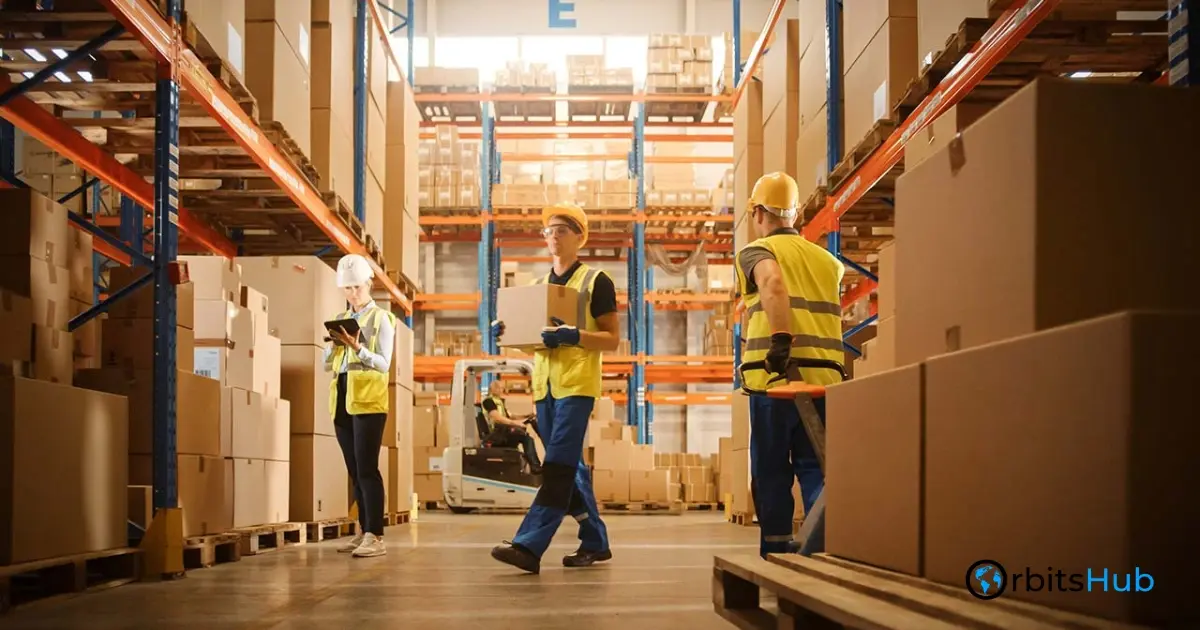
Ergonomics—the science of designing the workplace to fit the worker—is crucial in preventing lifting and carrying injuries. In maritime logistics, this can involve:
- Adjustable workstations are designed to accommodate workers of different heights.
- We are redesigning storage areas to keep frequently used items at waist level.
- We are installing non-slip flooring to reduce the risk of slips and falls while carrying loads.
- Including ergonomic handles on containers and equipment facilitates easier gripping.
By considering ergonomics in the design of ships, ports, and equipment, we can significantly reduce the physical strain on workers and prevent many injuries before they happen.
The importance of proper nutrition for maritime workers is significant.
We often focus on techniques and equipment when discussing safe lifting and carrying practices. However, we often overlook the crucial role of proper nutrition in maintaining a worker’s physical capacity and reducing the risk of injuries.
Maritime work is physically demanding, often requiring long hours and intense physical exertion. Proper nutrition is not just about maintaining overall health; it’s about fueling your body for the specific demands of the job.
“You wouldn’t run a ship on low-quality fuel, so why would you run your body on junk food?” Dr. Elena Rodriguez, Maritime Occupational Health Specialist.
Here are some critical nutritional considerations for maritime workers:
Dehydration can lead to fatigue and decreased cognitive function, increasing the risk of accidents. Drink water regularly throughout your day, even if you don’t feel thirsty.
Complex carbs provide sustained energy for long hours. Whole grains, legumes, and vegetables are excellent choices.
Essential for muscle repair, lean proteins include fish, poultry, lean meats, and plant-based sources like beans and lentils.
Omega-3 fatty acids found in fish and nuts help reduce inflammation and improve joint health.
Fruits and vegetables are packed with vitamins and antioxidants that boost your immune system and reduce fatigue.
Remember, what you eat before and during your shift can significantly impact your energy levels, strength, and concentration. A well-nourished body is better equipped to handle the physical demands of maritime work and is less prone to injuries.
The Role of Rest and Recovery in Injury Prevention
In the fast-paced world of maritime logistics, there’s often pressure to work longer hours and push through fatigue. However, adequate rest and recovery time are crucial to injury prevention, especially when lifting and carrying.
Fatigue is a silent killer in the maritime industry. According to the European Maritime Safety Agency, fatigue contributes 15-20% of marine accidents. A tired worker is more likely to take shortcuts, use improper techniques, or misjudge the weight of a load when lifting and carrying.
Here are some key points to consider:
- Sleep Quality: Aim for 7-9 hours of quality sleep between shifts. This allows your muscles to recover and your mind to reset.
- Power Naps: Short 20- or 30-minute naps during breaks can help refresh your alertness and improve performance.
- Active Recovery: On days off, light exercise like walking or swimming can help keep your body in excellent condition without overexertion.
- Stress Management: High stress levels can interfere with rest and recovery. Techniques like deep breathing, meditation, or yoga can help manage stress.
- Work-Life Balance: Ensure you have time for relaxation and personal activities outside of work. This mental break is crucial for overall well-being and job performance.
Remember, pushing through fatigue isn’t a sign of strength—it’s a recipe for accidents. Prioritizing rest and recovery is essential to being a responsible maritime worker.
Continuous Improvement: Learning from Near-Misses and Incidents
In maritime safety, especially concerning lifting and carrying practices, one of our most valuable tools is learning from our experiences—both the successes and the close calls.
A “near-miss” is an unplanned event that did not result in injury, illness, or damage but had the potential to do so. These incidents are golden opportunities for improving safety practices.

Here’s how to implement a culture of continuous improvement:
- Encourage Reporting: Create an environment where workers feel comfortable reporting near-misses without fear of reprimand. Remember, a near-miss today could be an accident tomorrow if not addressed.
- Thorough Investigation: Treat near-misses with the same seriousness as actual incidents. Investigate the root causes and contributing factors.
- Share Lessons Learned: Disseminate findings and preventive measures throughout the organization. This could be through safety meetings, bulletins, or training sessions.
- Implement Changes: Use the insights gained to improve procedures, update training, or invest in new equipment as necessary.
- Follow-Up: After implementing changes, monitor their effectiveness and be ready to make further adjustments if needed.
“In the world of maritime safety, complacency is our biggest enemy. Every near-miss is a free lesson in how to do better.” Captain James Wong, Maritime Safety Consultant.
By fostering a culture of continuous improvement, we prevent repeat incidents and proactively identify and mitigate risks before they lead to accidents. This approach turns every day on the job into an opportunity to make maritime lifting and carrying practices safer for everyone.
The Future of Safe Lifting in Maritime Logistics
As we look to the future, exciting developments are on the horizon that could revolutionize safe lifting practices in maritime logistics:
Innovative Lifting Technologies
Various ports are currently testing wearable robotic devices that can enhance human strength and endurance.
Advanced algorithms could help optimize lifting and carrying routes, reducing unnecessary strain on workers.
Immersive VR experiences could provide safe, realistic environments for workers to practice lifting techniques.
Smart devices could monitor worker movements and provide real-time feedback on lifting techniques.
While these technologies are promising, remember they’re tools to enhance, not replace, beneficial old-fashioned safe lifting practices!
Frequently Asked Questions
A: The safe lifting weight varies depending on factors such as the individual’s strength, the shape of the object, and the lifting conditions. However, as a general guideline, NIOSH (National Institute for Occupational Safety and Health) recommends a maximum weight of 51 pounds (23 kg) for manual lifting under ideal conditions. This limit should be lower in maritime environments, where conditions are often far from ideal. Constantly assess each situation individually, and don’t hesitate to use mechanical aids or ask for help when in doubt.
A: While regulations may vary by country and company, best practices suggest that workers receive initial comprehensive training and annual refresher courses. However, safety should be an ongoing conversation. Many successful maritime operations incorporate brief safety talks at the start of each shift, including reminders about proper lifting techniques. Additionally, specific training should be provided whenever new equipment or procedures are introduced. Remember, there is no such thing as too much training.