The open sea is vast, so you need more than a strong boat to get around. It would help if you also had a solid anchor. Anchors are more than just heavy metal objects that sink to the bottom of the ocean. They are an essential part of maritime safety and usefulness. In this in-depth guide, we will learn about the different kinds of ship anchor, give you valuable tips, and show you the best ways to set them up and keep them in good shape.

Types of Ship Anchors
When it comes to ship anchors, diversity reigns. Different vessels and maritime conditions require various anchor types to ensure optimal performance. Let’s explore some common varieties:
1. Danforth Anchor
The Danforth, fluke anchor, is a popular choice for smaller boats and recreational vessels. Recognizable by its two long, triangular flukes, this anchor excels in sandy and muddy seabeds, providing a reliable hold.
2. Plow Anchor
Resembling a traditional plough, this anchor is a workhorse in a ship’s arsenal. With its ability to grip a variety of seabeds, including mud and grass, the plough anchor is a versatile choice for different maritime environments.
3. Mushroom Anchor
Ideal for soft bottoms like silt or mud, the mushroom ship anchor is characterized by its bulbous shape. While only suitable for some conditions, it’s a steady choice for certain situations, especially in calm waters.
4. Claw Anchor
Known for its strong holding power, the claw anchor, or Bruce anchor, is favoured for its ability to set quickly in various seabeds. Its design, resembling a claw, ensures a reliable grip, making it a go-to choice for larger vessels.
5. Admiralty Anchor
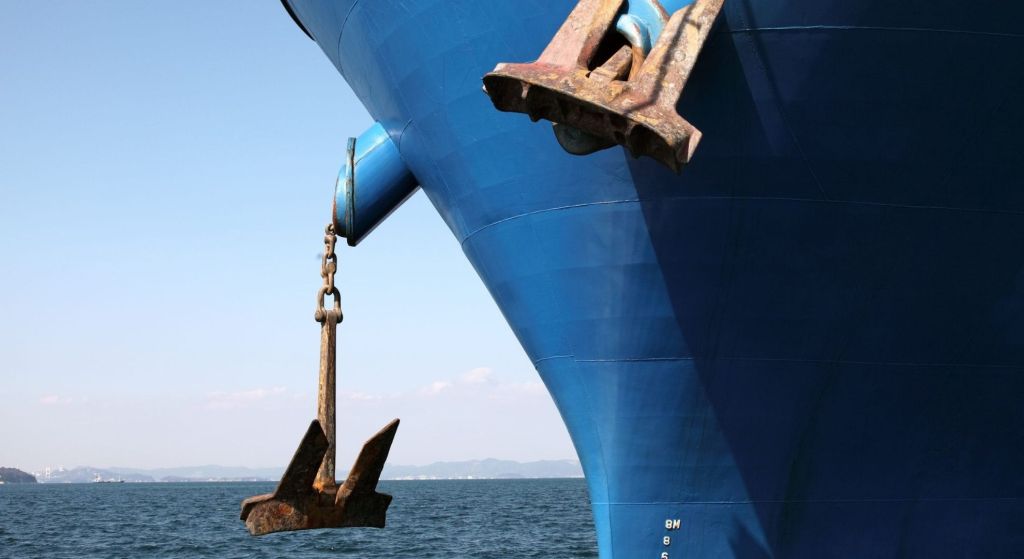
This classic anchor design features a central shank with two arms and flukes. Admiralty anchors are renowned for their stability and are commonly used in large commercial vessels. Their robust construction makes them suitable for a range of conditions.
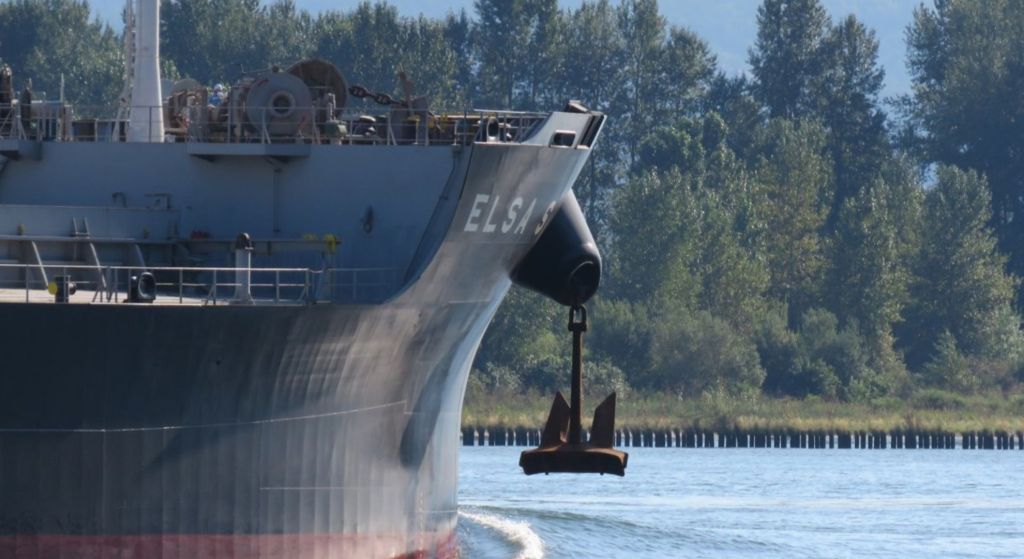
The Evolution of Ship Anchors
The history of ship anchors is a fascinating journey that reflects advancements in maritime technology and materials. Understanding the evolution of anchors provides insight into how modern designs have developed and improved over time.
Early Anchors and Their Development
Early anchors were simple stone weights or wooden structures designed to create drag and hold a vessel in place. Ancient cultures, such as the Romans and the Greeks, utilized these simple patterns. Over time, incorporating metal and more sophisticated shapes improved their effectiveness.
Modern Innovations and Their Impact
Today’s anchors benefit from high-strength materials and advanced engineering. Innovations such as the Danforth and plough anchors have revolutionized vessel security. The integration of new technologies, including intelligent anchoring systems and eco-friendly designs, continues to push the boundaries of maritime safety and efficiency.
The Role of Anchors in Maritime Safety
Anchors play a crucial role in maritime safety, ensuring vessels remain securely in place during various conditions. Understanding their role helps mariners appreciate the importance of proper anchor selection, deployment, and maintenance.
Preventing Drift and Grounding
One of the primary functions of an anchor is to prevent a vessel from drifting due to currents, wind, or tides. Proper anchoring techniques can also prevent grounding, which can damage the ship and pose environmental hazards.
Emergency Situations and Safety Protocols
A reliable anchor can be a vessel’s best defence in emergencies, such as engine failure or adverse weather conditions. Knowing how to deploy an anchor quickly and effectively is vital for any crew. Regular training and drills ensure that everyone on board is prepared to handle anchor-related emergencies, contributing to overall maritime safety.
Tips for Effective Anchor Use
Selecting the suitable anchor is just the first step; using it effectively is equally crucial. Here are some tips to ensure your ship’s anchor serves its purpose seamlessly:
1. Know Your Seabed
Understanding the composition of the seabed is paramount. Different anchors perform better in specific conditions, so knowing whether you’re dropping anchor in sand, mud, or rocky terrain will guide your choice of anchor type.
2. Check and Maintain Regularly
Regular upkeep is essential if you want your anchor to last a long time and work well. Check the anchor often to ensure it’s in good shape, and look for rust. Keep your anchor in good shape to make sure it works well.
3. Use Adequate Scope
The scope is significant. It measures the anchor road’s length to the water depth. A good scope ensures the anchor can be set correctly, giving it the staying power it needs. A 7:1 area ratio is an excellent general rule.
4. Set the Anchor Properly
Once the anchor is dropped, allow the vessel to drift back slowly while letting out the anchor ride. This action helps the anchor to set securely into the seabed. Applying slow reverse thrust can further ensure a solid hold.
Best Practices for Ship Anchors
Beyond the technical aspects, adhering to best practices enhances the overall effectiveness of ship on anchor. Here are some recommended practices:
1. Obey Local Regulations
Different regions may have specific regulations regarding anchor use. Familiarize yourself with local guidelines to avoid potential fines and ensure environmentally responsible anchoring.
2. Consider Environmental Impact
Anchoring in sensitive ecosystems can cause damage. Be mindful of coral reefs, seagrasses, and other delicate marine environments. Choose anchoring spots that minimize environmental impact.
Consider using alternative anchoring methods, such as mooring buoys or drift anchors, to reduce the direct impact on sensitive ecosystems. Additionally, educating yourself and others on proper anchoring techniques and preserving marine habitats can help mitigate damage to these fragile environments.
3. Emergency Preparedness
Always be prepare for unexpected situations. Have a contingency plan for retrieving a stuck anchor, and ensure your crew is well-trained in emergency anchor release procedures.
Familiarize yourself with local navigational charts to identify potential hazards and choose anchorages wisely. Effective communication among crew members is crucial during anchor maneuvers; establish clear signals and procedures to minimize the risk of accidents. By prioritizing safety measures and thorough preparation, you can confidently navigate unforeseen challenges and ensure a smoother sailing experience.
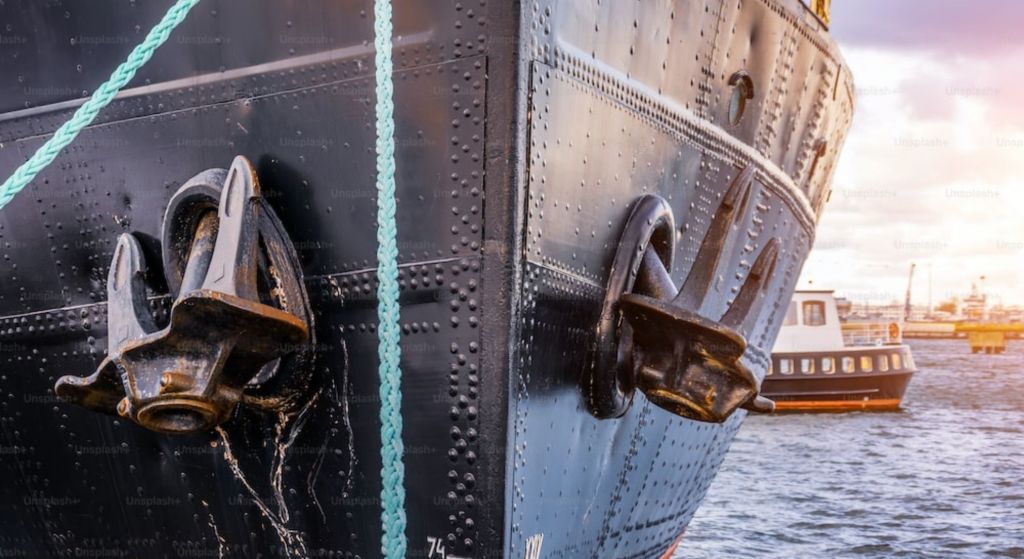
Anchoring Innovations: Emerging Technologies in Ship Anchors
In the ever-evolving world of maritime technology, innovations shape how ships anchor and navigate. Let’s explore the latest advancements in anchor ships technology, shedding light on how these innovations revolutionize the age-old practice of dropping anchor.
1. Smart Anchoring Systems
In the era of intelligent technology, anchors are no exception to innovation. Innovative anchoring systems incorporate sensors and connectivity to provide real-time data on anchor status, seabed conditions, and environmental factors. This technology allows for more informed decision-making, enhancing anchoring manoeuvres’ overall safety and efficiency.
2. Lightweight High-Strength Materials
Traditionally, anchors have been hefty pieces of metal, but advancements in materials science have led to the development of lightweight yet solid anchor materials. These high-strength alloys reduce the overall weight of the anchor without compromising its holding power, contributing to fuel efficiency and ease of handling.
3. Remote Anchor Monitoring
Remote monitoring capabilities enable ship operators to keep tabs on their anchors even when they are miles away from the vessel. Captains can receive updates on anchor position, tension, and any anomalies through satellite or cellular connections, allowing for proactive maintenance and swift responses to changing conditions.
4. Automated Deployment Systems
Automation is making its mark on anchor deployment, streamlining the process and reducing the workload on the crew. Automated systems can precisely drop and retrieve anchors, considering wind, currents, and vessel movement variables. This not only enhances safety but also optimizes the anchoring process.
5. Eco-Friendly Anchors
As environmental consciousness grows within the maritime industry, the development of eco-friendly anchors has gained traction. These anchors are design to minimize seabed disturbance and reduce potential damage to marine ecosystems. Innovations in anchor materials and designs contribute to sustainable anchoring practices.
FAQ’s
1. How does a ship anchor work?
A ship anchor engages with the seabed to prevent the ship from drifting. It typically consists of a heavy metal device dropped from the boat, and its flukes or arms dig into the seabed, providing stability.
2. What types of ship anchors are commonly used?
There are several types of ship anchors, including the plough anchor, fluke anchor, and claw anchor. Each type is design for specific seabed conditions and vessel sizes, ensuring effective anchoring in diverse maritime environments.
3. How is the size of a ship anchor determine?
The size of a ship’s anchor is determine by the vessel’s size and displacement, as well as the conditions of the anchorage. Larger ships require more extensive and heavier anchors to provide sufficient holding power, especially in adverse weather conditions.
4. Can a ship anchor in any location?
While ships can anchor in various locations, the choice of anchorage depends on factors such as water depth, seabed composition, and weather conditions. Certain areas may be restrict or unsuitable for anchoring due to safety or environmental concerns.
5. How does a ship raise its anchor?
To raise a ship anchor, the vessel’s crew utilizes the ship’s windlass—a mechanical device that winds up the anchor chain. The process involves slowly moving the ship over the anchor while pulling in the chain, allowing the anchor to be retrieve from the seabed.
A ship anchor is its steadfast ally in the vast expanse of the open sea. Mariners can navigate confidently by understanding the types of anchors, implementing practical tips, and adhering to best practices. The key to successful anchoring lies in the weight and design of the anchor and the knowledge and skill of those who deploy it. As you sail on your maritime journeys, may your anchors find firm purchase, ensuring safe voyages and memorable adventures. Anchors away!